Spada Lake and the Sultan River
The City of Everett gets its water from Spada Lake, a reservoir formed by Culmback Dam on the Sultan River in the Cascade foothills. Water flows down to Lake Chaplain, where the city's filtration plant treats it before it travels west through transmission lines. Everett's system supplies not only the city but also most of the water districts and cities in Snohomish County, which makes it one of the largest water providers in the state.
Water that falls as rain and snow on the Cascades picks up very little mineral on the way into the reservoir, so Everett's supply is extremely soft. The utility adjusts the pH to reduce corrosion in pipes. Inside a heater, scale barely forms, but the sacrificial anode works harder and can be used up within a few years.
Water temperatures follow the mountain reservoir, dropping into the low 40s in winter and staying cool well into summer. A heater in Everett works harder than one in a warmer climate, though less than in the Midwest.
Everett homes and where the heater is
Everett's older neighborhoods sit on the peninsula between Port Gardner Bay and the Snohomish River. Northwest Everett, Bayside and Riverside have early twentieth century Craftsman homes, foursquares and Victorians with basements, where the heater often sits in an unfinished corner near the old furnace. Lowell and Delta have smaller homes with basements or crawlspaces.
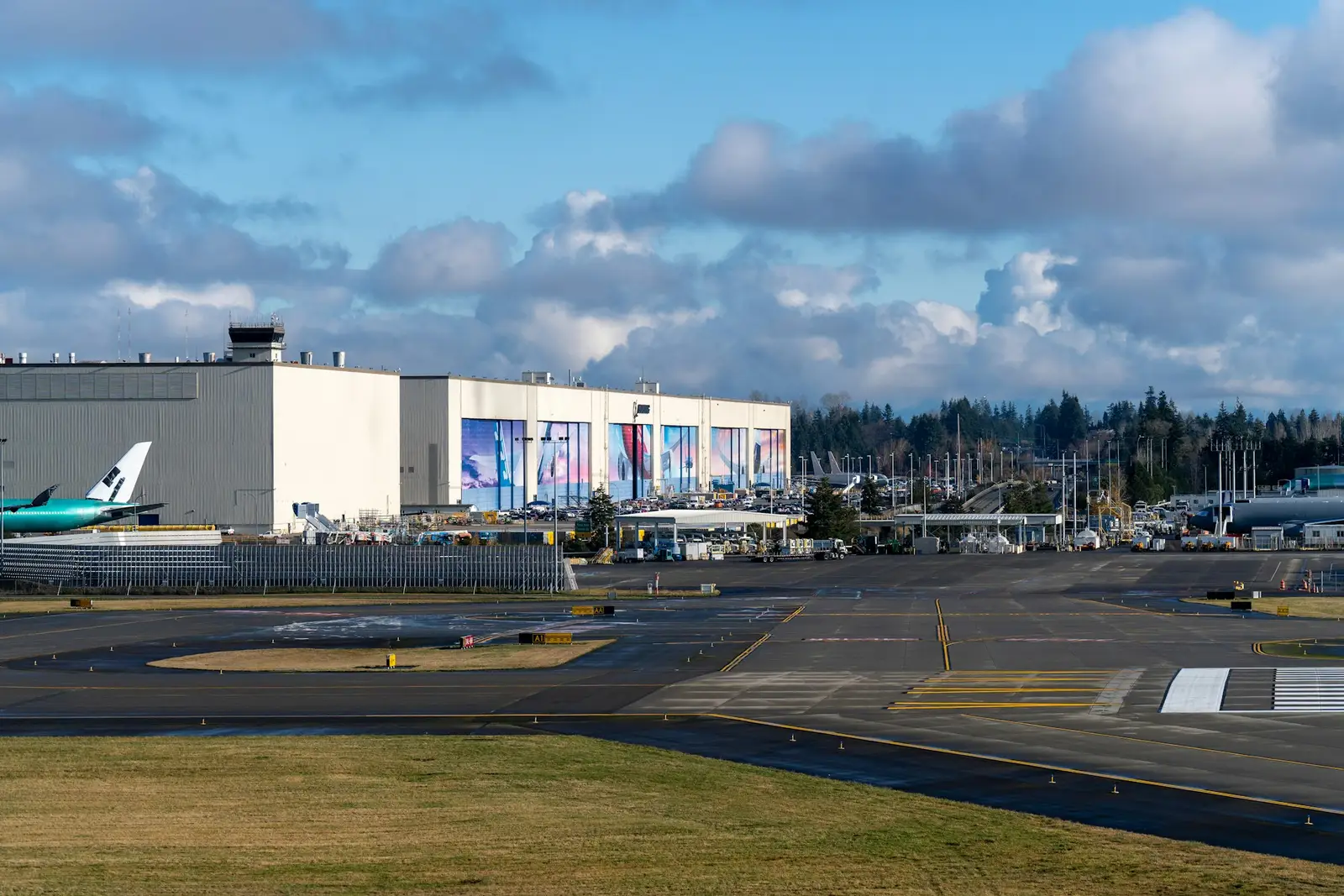
South of downtown, Casino Road, Evergreen, Cascade View and Silver Lake are mostly post-war and later suburbs: ranches, split-levels and two-story homes with garage or utility closet installs. Apartments and condos near Everett Mall and the Boeing plant at Paine Field often use electric heaters in hall closets, served by Snohomish County PUD power.
Rain, wind and earthquakes
Everett's mild, wet climate does not usually threaten water heaters directly. Windstorms off Puget Sound can knock out PUD power for hours or days, stopping electric tanks, tankless heaters and power-vent units. Occasional snow and freezing spells, while short, can split exposed lines in garages and crawlspaces.
Seismic risk is real across the Puget Sound region, and Washington's plumbing code requires water heaters to be strapped at the top and bottom thirds. Older garage and basement installs in Everett sometimes have missing or loose straps, and an unstrapped tank that topples during shaking can snap its gas line.
The problems plumbers see most in Everett
- Anode rods eaten down by soft Spada Lake water, followed by leaks in tanks only seven or eight years old.
- Pinhole leaks in old copper near the heater on the Northwest Everett bluff.
- Electric element failures in condos and apartments on PUD power.
- Loose or missing earthquake straps on garage installs.
- Damp crawlspace corrosion on gas connectors and venting.
- Storm outages shutting off tankless and power-vent heaters.
Everett water heater prices
| Job | Typical Everett range | Notes |
|---|---|---|
| Thermocouple or pilot repair | $170–$340 | |
| Electric element or thermostat | $185–$375 | Common in condos |
| Gas control valve | $425–$675 | |
| Anode rod replacement | $180–$360 | Key for soft water |
| Seismic straps and expansion tank | $200–$475 | |
| 40–50 gallon gas tank replacement | $1,850–$3,800 | Permit and straps included |
| Tankless installation | $3,900–$7,000 | Gas line and venting vary |
Snohomish County prices are a step below Seattle's but higher than much of the country. Basement access in older bluff homes, gas line upgrades, and second-floor installs add to the bill.
Washington plumber certification and Everett permits
In Washington, plumber certificates are issued by Labor and Industries, known as L&I. A journey-level plumber or a supervised trainee must do most plumbing work, and the business must be registered and bonded as a contractor with L&I. You can check both the plumber's certificate and the contractor registration on L&I's website.
For Everett addresses, the permit services office at City Hall handles plumbing and mechanical permits. A water heater replacement generally needs a permit, and gas work needs a mechanical permit and inspection. Mukilteo, Mill Creek, Marysville and Lake Stevens issue their own permits, and unincorporated areas go through Snohomish County.
Ask the installer to show their L&I certificate and contractor registration, and confirm the Everett permit is in the price.
Electric heaters and Snohomish County PUD
Snohomish County PUD supplies electricity to Everett and the rest of the county, much of it from hydropower, including the Jackson project at Culmback Dam. Electric water heaters are common here, and Snohomish PUD has, at times, paid customers to switch to heat pump models. In a basement or garage that stays in the 50s and 60s, a heat pump unit can cut water heating costs substantially.
Puget Sound Energy provides natural gas in Everett. For gas leaks, leave the house and call PSE. For an electric heater that keeps tripping, check the breaker, then have the elements and thermostats tested.
Anode care on Spada Lake water
The main maintenance item in Everett is the anode rod. Pull and inspect it within the first three or four years, then every two years after, and replace it before it is down to bare wire. Powered anodes, which do not wear away, are an option for homeowners who want to skip that task.
Flushing matters less here; drain a few gallons every year or two to keep the valve from seizing and to clear what little silt comes through the mains. Test the relief valve and check the straps at the same time.
Around Everett
Mukilteo on the bluff has its own water district and permit office. Mill Creek and the Silver Firs area are served by local water districts that buy Everett water. Marysville and Lake Stevens across the Snohomish River have their own utilities and building departments. Snohomish and Monroe, farther up the valley, combine historic downtown houses with fresh subdivisions, and some outlying homes rely on wells with harder water.
Water heater questions from Everett
Where does Everett get its water?
From Spada Lake on the Sultan River, treated at the city's filtration plant at Lake Chaplain. The same system supplies most of Snohomish County.
Why do Everett water heaters leak early?
Soft water uses up anode rods quickly. Once the rod is gone, the tank corrodes. Replacing the rod on schedule prevents early failure.
Who certifies plumbers in Washington?
Washington L&I handles both jobs: it certifies individual plumbers and registers contracting businesses.
Is a permit needed to replace a water heater in Everett?
Yes. The city's permit services office issues plumbing and mechanical permits, with inspections for straps, gas lines and venting.
Does Snohomish County PUD offer heat pump water heater rebates?
The PUD has offered them at times. Check current programs before buying.
Are tankless water heaters a good fit for Everett?
Soft water keeps them free of scale. They stop working in power outages, which matters if your neighborhood loses power in windstorms.
My electric water heater makes lukewarm water. What should I check?
Usually a failed element or thermostat. Our notes on electric heater elements explain the testing.