Pooler's wells and purchased Savannah water
Pooler Public Works runs its own water system. According to the city's annual water quality reports, part of the supply is pumped by city-owned wells from the Upper Floridan aquifer, the deep limestone formation that has supplied coastal Georgia for more than a century. The rest is purchased from the City of Savannah's surface water treatment plant, which draws from the Savannah River near Abercorn Creek.
Groundwater pumping in Chatham County has been capped for decades because heavy withdrawals pulled saltwater toward the aquifer at Hilton Head and on the coast. A city adding thousands of rooftops has had to make up the difference with purchased river water, so Pooler homes may see subtle changes in taste, odor and mineral content as the share of each source moves around.
Water from the Floridan is moderately hard and comes out of the ground in the mid 60s nearly year-round. That keeps winter inlet temperatures mild compared with inland Georgia, which helps tank recovery, but the calcium in it slowly coats electric elements and the inside of tankless heat exchangers. Some wells also carry a trace of hydrogen sulfide, the source of the rotten-egg smell some owners notice at the hot tap.
Godley Station, Savannah Quarters and the newer slab homes
Old Pooler around the 1907 depot and US 80 still has a few frame houses and small ranches from the mid twentieth century. Most of the city, though, has been built since the late 1990s. Godley Station spread out along Pooler Parkway with apartments, townhomes and single-family streets, Savannah Quarters added golf-course homes to the south, and newer subdivisions keep filling in toward Bloomingdale and the Effingham County line.
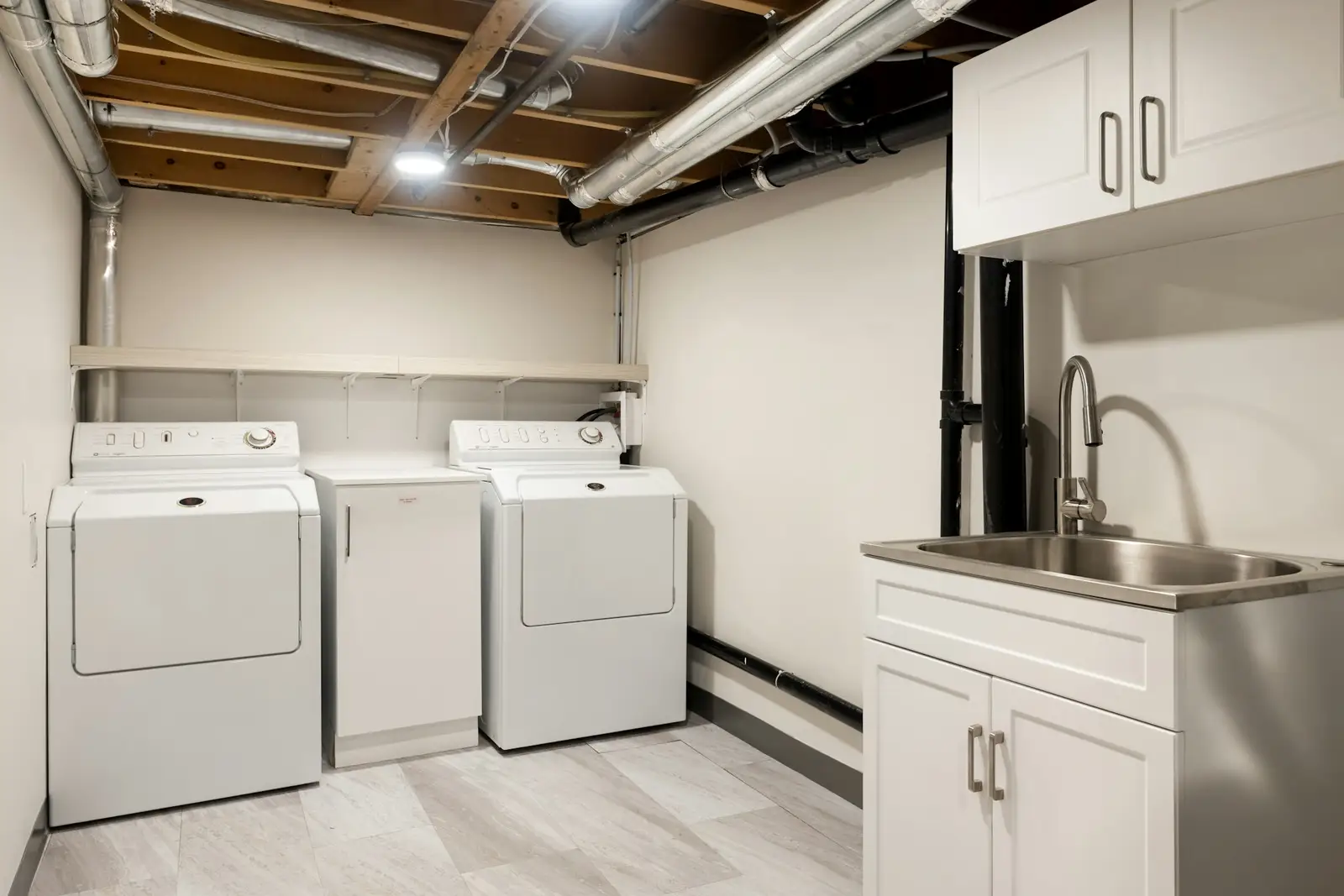
Almost all of these homes are on slabs. Builders typically put the water heater in the garage, often on a short platform, or in an interior laundry closet with a pan underneath. In larger two-story houses a second heater sometimes serves an upstairs wing, and a fair number of newer homes have a gas tankless unit bolted to the exterior siding. Townhome rows near the outlets often use a compact electric tank in a first-floor closet.
Because so much of the housing is new, a Pooler service call is often the first ever made on that heater. Builder-grade tanks from the early 2010s are now reaching the age when relief valves weep, elements burn out and the first bottom-seam leaks appear, and many owners are discovering that their heater never had a drain line run from its pan.
Heat, humidity and storm season west of Savannah
Pooler sits on flat, low ground laced with canals and wetlands, about a dozen miles inland from the marshes. It avoids most tidal surge, but heavy rain from tropical systems can pond quickly in subdivisions built on fill. Matthew (2016) and Irma (2017) each brought evacuations, downed trees and multi-day power outages to western Chatham County.
For water heaters, the bigger daily factor is heat. A west-facing garage in Pooler can hold well above 100 degrees on summer afternoons, and that air is wet. Gas burners and pilot assemblies rust, electric heater jackets sweat, and controls fail early. Lightning storms that roll in on summer evenings also take out electronic boards in tankless units and newer gas valves.
The problems plumbers see most in Pooler
- Builder-grade tanks reaching the end of their warranty all at once in neighborhoods built in the same few years.
- Rotten-egg odor at the hot tap from sulfur in Floridan well water reacting with the anode.
- Scaled tankless heat exchangers on units that have never been descaled since closing day.
- Unpiped drain pans in laundry closets, which let a slow leak soak flooring and baseboards.
- Surge-damaged control boards after summer lightning storms.
- Expansion tank failures on systems with a pressure-reducing valve, causing a dripping relief valve.
For a tankless unit that throws error codes or runs lukewarm, see our notes on tankless troubleshooting and service.
Typical water heater prices in Pooler
| Job | Typical Pooler range | Notes |
|---|---|---|
| Element or thermostat replacement | $150–$325 | |
| Igniter, flame sensor or thermocouple | $150–$325 | |
| Gas control valve | $400–$625 | |
| Tankless descale and service | $175–$350 | Recommended on Floridan water |
| Anode swap for sulfur odor | $175–$350 | Aluminum-zinc or powered anode |
| New 40–50 gallon tank, gas or electric | $1,400–$3,000 | Permit and haul-away included |
| Gas tankless installation | $3,500–$6,300 | Venting and gas line size matter |
Pooler pricing tracks the wider Savannah market. Garage installs on slabs keep labor reasonable, while attic heaters, second-floor closets and weekend emergency calls during storm season push toward the upper end.
Georgia licensing and the Pooler building department
Plumbing licenses in Georgia come from a plumbing division within the State Construction Industry Licensing Board, overseen by the Secretary of State. On a Pooler job, a licensed master plumber should be the one pulling the permit, and that credential is searchable on the state's online lookup.
Inside city limits, the City of Pooler's building department issues plumbing permits and handles inspections, including for water heater replacements. Pooler's boundaries are irregular, and some addresses with a Pooler mailing address are actually in unincorporated Chatham County or Bloomingdale, which use different permit offices. A gas tank-to-tankless conversion usually needs both plumbing and gas work reviewed.
Getting rid of the sulfur smell
When Pooler homeowners report that only the hot water smells like rotten eggs, the cause is usually sulfate-reducing bacteria in the tank reacting with a magnesium anode. The cold side smells fine because the reaction happens inside the heater. Replacing the factory magnesium rod with an aluminum-zinc rod, or with a powered anode, usually ends it, and a plumber may also flush the tank and treat it with a dilute peroxide solution.
If the cold water smells too, the issue is in the supply rather than the heater, and a call to Pooler Public Works or a whole-house filter is the next step. Never remove the anode entirely to stop the odor; the tank will rust through quickly without it.
Sizing for growing Pooler households
Many Pooler buyers move in as young couples and add children, an in-law or a home office within a few years. A 40-gallon tank that was fine on closing day can start running short once two teenagers and a soaking tub are in the picture. Because Floridan water arrives warm, most Pooler families of five do fine on fifty gallons of gas-fired storage, or on an electric tank with beefed-up elements, without stepping up to tankless.
Tankless is popular in new construction here, and it works well with warm inlet water, but it needs annual descaling on moderately hard supply and a gas line sized for its full input. Before committing, read our cost breakdown of both heater styles.
Utilities and replacement choices
Georgia Power supplies electricity across Pooler. Natural gas travels through Atlanta Gas Light's pipes, but under Georgia's deregulated market residents buy their gas from a certified marketer of their choice. Many subdivisions were plumbed for gas from the start, while some townhome communities are all-electric. Pooler households on Georgia Power have seen water heater rebates in some years, so confirm the current offer before ordering.
Heat pump models make sense in a big, hot Pooler garage, where it can cool and dry the air while heating water cheaply. When a Pooler tank is still short of eight and only an element, thermostat, igniter or relief valve has failed, repair is usually the better buy; past ten years with rust or a leaking body, plan on replacement.
Around Pooler
Bloomingdale next door pumps from its own wells and keeps a separate permit desk. Port Wentworth and Garden City to the east keep separate water utilities and inspectors. Rincon and Guyton across the line in Effingham County use Effingham County or city permitting. Richmond Hill to the south in Bryan County has fast growth of its own, and Savannah proper has its own permit and water departments.
Water heater questions from Pooler
Where does Pooler's water come from?
From city wells in the Upper Floridan aquifer, plus treated surface water bought from the City of Savannah. Pooler Public Works publishes an annual water quality report.
Why does the hot tap in my Pooler house smell of sulfur?
Bacteria in the tank are reacting with the magnesium anode. A different anode type and a tank flush usually fix it.
Does a Pooler water heater swap need a city permit?
Yes. The City of Pooler building department requires a plumbing permit for addresses inside city limits. Addresses in unincorporated Chatham County go through the county instead.
Who supplies natural gas in Pooler?
Atlanta Gas Light owns the pipes, but you pick a certified gas marketer for your bill. Electricity comes from Georgia Power.
My builder-installed heater is ten years old. Should I replace it before it fails?
If it is a basic builder-grade tank showing rust, weeping or noise, planned replacement avoids a flooded laundry room. If it looks clean and the anode has been changed, it may have a few years left.
How often does a Pooler tankless unit need descaling?
About once a year on the city's moderately hard water, or sooner if flow drops or error codes appear.