Mount Pleasant Waterworks and its RO plants
Mount Pleasant Waterworks, the town's own utility since the 1930s, draws most of its supply from deep wells in the coastal aquifers under the East Cooper area. That groundwater is brackish, so MPW treats it at a set of reverse osmosis plants; Mount Pleasant is often cited as the first South Carolina community to use RO for drinking water. To meet summer demand, MPW also buys treated surface water from Charleston Water System's plant in Hanahan.
Both supplies are soft. RO water in particular has had nearly all of its dissolved minerals removed, and the utility adds back a little calcium so it is less aggressive on pipes. MPW customers therefore see little sediment and only light tankless descaling, while the tank's anode rod carries more of the corrosion burden. Mount Pleasant tanks often fail from corrosion at fittings and seams rather than from a mineral-packed bottom.
Old Village cottages to Carolina Park garages
Housing in Mount Pleasant spans more than a century. The Old Village and Alhambra Hall area have raised cottages, pre-war homes and renovated beach-style houses, where heaters tend to sit in a crawlspace closet, under the house on a platform, or tucked into a converted porch. Subdivisions from the 1970s and 80s such as Snee Farm, Hobcaw Point and Seaside Farms are mostly slab or crawlspace ranches with heaters in the garage or a laundry room.
Newer neighborhoods like I'On, Park West, Dunes West, Carolina Park and Rivertowne often put the heater in the attic or a second-floor mechanical closet to keep it above flood elevation and out of the garage. An attic tank above a Park West bedroom bakes all summer, and without a working pan its first leak may show up as a sagging ceiling. Raised homes near the marsh may have the heater on a platform under the living floor, exposed to humidity and wind-driven rain.
Hugo, king tides and salt air
Hurricane Hugo came ashore near Charleston Harbor in September 1989 and pushed a storm surge across Sullivan's Island and into Mount Pleasant, wrecking shrimp boats on Shem Creek and flooding homes along the marsh. Since then, Matthew (2016) and Irma (2017) sent water back over low Mount Pleasant streets, and today a hard rain at high tide can close parts of Coleman Boulevard and roads off Highway 17.
For water heaters, the lesson is location. A tank or tankless unit on the ground floor of a low house will eventually see water, and salt-laden floodwater ruins gas burners, control boards and electric elements quickly. Salt air also corrodes jackets, vent connectors and outdoor tankless cabinets near the creek and the harbor, so units within sight of open water age faster than the same model a few miles inland.
The problems plumbers see most in Mount Pleasant
- Exhausted anodes and pinhole leaks on tanks fed by soft RO and river water.
- Attic heater leaks that soak ceilings in two-story homes in Park West and Dunes West.
- Salt-corroded vent pipes and cabinets on homes near Shem Creek and the harbor.
- Flood-damaged burners and controls on ground-level heaters in low parts of town.
- Overheated attic gas units where summer heat and poor combustion air meet.
- Undersized tanks in older ranches now serving larger families and big soaking tubs.
Typical water heater prices in Mount Pleasant
| Job | Typical Mount Pleasant range | Notes |
|---|---|---|
| Gas valve or thermocouple repair | $190–$575 | Gas work requires a licensed installer |
| Electric element or thermostat | $160–$375 | |
| Anode rod replacement | $175–$350 | Worth checking often on soft water |
| Drip pan, drain line and leak sensor | $175–$425 | Strongly advised for attic units |
| 40–50 gallon tank replacement | $1,500–$3,300 | Attic installs at the top of the range |
| Raising a heater above flood level | $600–$2,200 | Platform, piping and electrical changes |
| Tankless installation | $3,500–$6,800 | Outdoor units need salt-resistant cabinets |
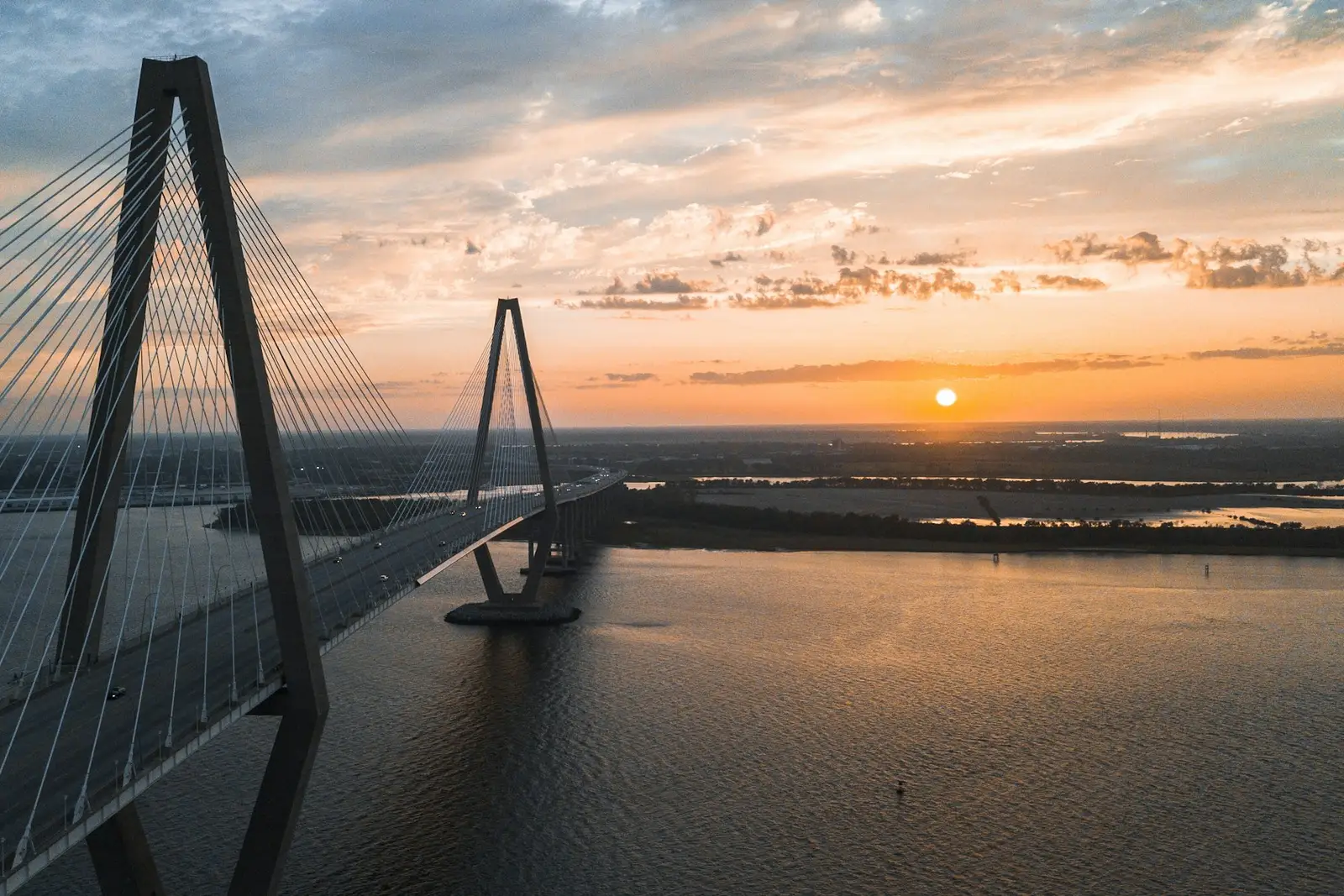
Prices in Mount Pleasant run a little higher than in many South Carolina towns, reflecting traffic over the Ravenel Bridge, the share of attic installs and the extra materials needed near salt water. Jobs on the Isle of Palms side or in homes with tight attic access usually land toward the top of each range.
Town permits and South Carolina licensing
Replacing a water heater in town limits requires a permit from the Town of Mount Pleasant's building inspections division, which accepts applications through its online permitting portal. The town inspector checks the relief line, the attic pan and its drain, gas venting, and, inside a flood zone, the height of the new unit.
LLR, South Carolina's licensing agency, credentials plumbers two ways: as residential specialty contractors through the Residential Builders Commission, or as mechanical contractors through the Contractor's Licensing Board. Look up the license on the LLR site and ask the installer to put the town permit in the written estimate.
Dominion Energy, gas and electric choices
Dominion Energy South Carolina supplies electricity to most of Mount Pleasant and natural gas where mains run, which includes many older neighborhoods and a good share of newer subdivisions. A few areas at the edges of town are served by an electric cooperative, so check your bill before comparing operating costs.
Gas tanks and tankless units handle back-to-back showers in large households well, but in an attic they need proper combustion air and a sound vent. Heat pump water heaters work well in Lowcountry garages and conditioned utility rooms, though most are too tall and too heavy for a cramped attic platform. Dominion rebates for water heating have come and gone over the years, so look up the current offer first.
Protecting heaters in flood-prone homes
If your home sits in one of the town's flood zones or has taken water before, raise the heater on a sturdy platform, move it to a higher closet, or switch to a wall-hung tankless unit set above the base flood elevation. Gas appliances in flood areas also need their vent and regulator kept clear of rising water, and a plumber can pair a raised installation with flexible connectors that allow for slight movement.
Before a named storm, shut off the gas or breaker to a ground-level heater and close the cold supply valve. Afterward, do not relight or re-energize a unit that sat in salt water. Have the controls, burner and wiring inspected; in most cases the heater should be replaced.
Repair or replace in Mount Pleasant
Low sediment on MPW water makes repairs attractive. Replacing a bad element, thermostat or relief valve on a Mount Pleasant tank under eight pays off, provided the anode still has some metal left. Rust-colored water, moisture at the base or any salt-water flood exposure point toward replacement, as does an attic tank past ten years where a sudden failure could damage the ceiling below.
Around Mount Pleasant
Sullivan's Island and Isle of Palms across the Intracoastal Waterway each run their own water and sewer utilities and have strict elevation rules for anything on a ground floor. Daniel Island and Cainhoy are part of the City of Charleston, with Charleston Water System service and city permits. Awendaw, up Highway 17 North, is rural; wells are common there and Charleston County handles permits.
Water heater questions from Mount Pleasant
Is Mount Pleasant tap water hard?
No. MPW's reverse osmosis treatment removes nearly all minerals from its well water, and the river water it buys from Charleston is naturally soft.
Why do tanks in Mount Pleasant seem to rust out?
Very soft water uses up the protective anode rod faster than hard water does. With the rod spent, rust begins at the welds and threaded ports.
Will Mount Pleasant make me pull a permit for the new heater?
Yes. Mount Pleasant permits and inspects every replacement, and the plumber usually applies online through the town.
My water heater is in the attic. What should I add?
Add a pan piped to the exterior, a leak alarm and a shutoff you can reach from the attic hatch. These protect the ceiling below from a slow leak.
Should I raise my water heater in a flood zone?
If your home is low or has flooded before, yes. Lifting it above base flood elevation, or going to a wall-mounted tankless unit, keeps the next surge from claiming it.
Can a heater that sat in floodwater be repaired?
Rarely. Salt water damages burners, controls and electrical parts, and most flooded heaters should be replaced after an inspection.