Edisto River and Bushy Park water
Charleston Water System, one of the oldest utilities in the South, supplies the peninsula, West Ashley, James Island, Johns Island and Daniel Island, along with most of North Charleston. Its raw water comes from two places: the Edisto River, piped east through a long underground tunnel, and Bushy Park Reservoir, a freshwater impoundment off the Cooper River in Berkeley County. Both feed the Hanahan Water Treatment Plant before the water travels across the region.
Lowcountry surface water is naturally soft, so mineral buildup in tanks and tankless units is mild compared with inland cities. The water is also warm. In January it typically reaches homes in the mid 50s, and in August it can approach 90°F at the tap after sitting in shallow mains. A heater in Charleston works lightly for much of the year, and many families find a 40-gallon tank perfectly adequate.
Single houses, piazzas and raised homes
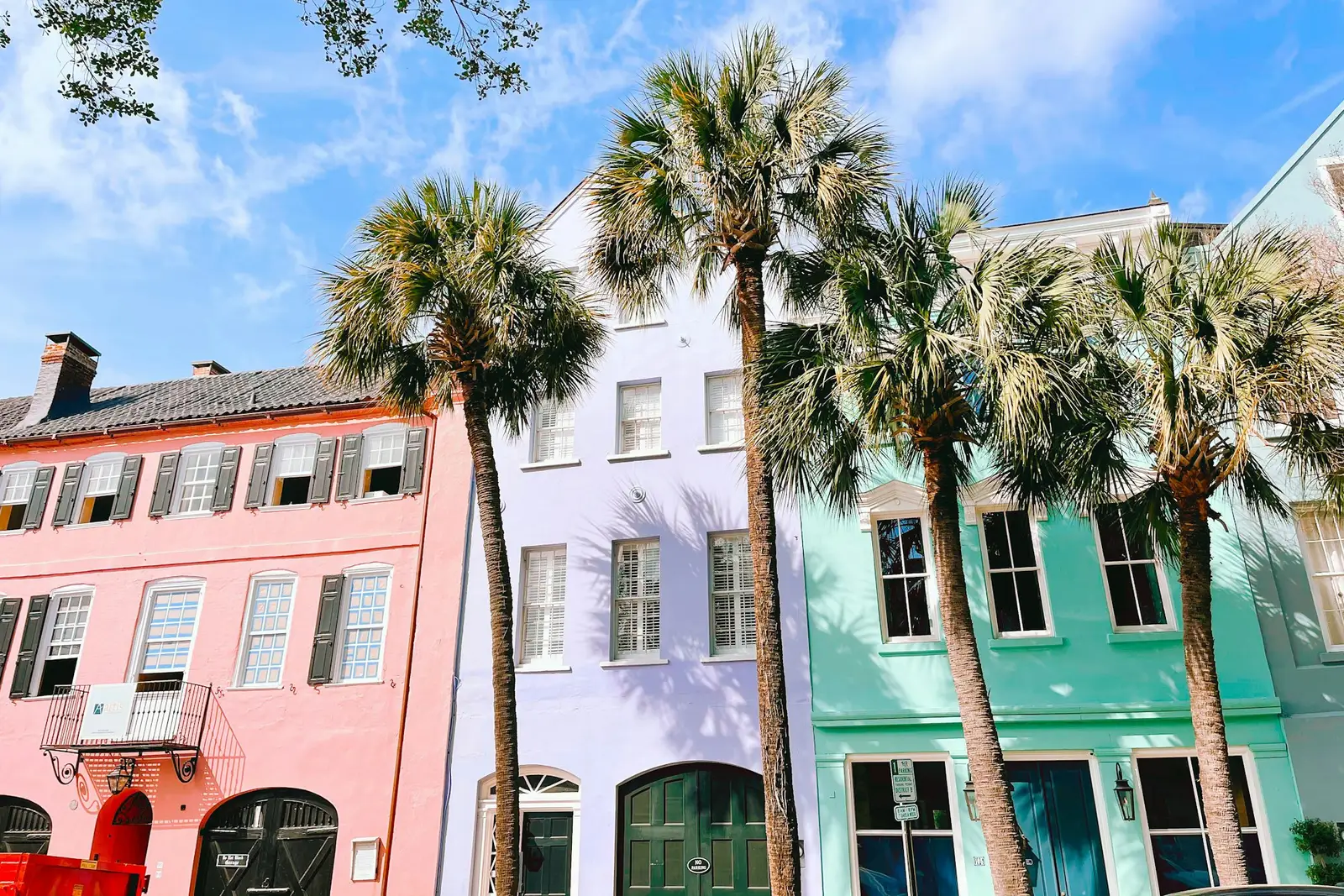
The Charleston single house, one room wide with its gable end to the street and long side piazzas, fills South of Broad, Harleston Village, Ansonborough, Radcliffeborough and Elliotborough. These homes sit on raised brick foundations over shallow crawlspaces or partial cellars that sit only a few feet above the water table. Water heaters in them are usually tucked into a rear closet, a converted pantry or a former kitchen house out back, because the space under the floor is often too damp and too low.
Wagener Terrace and Hampton Park have 1920s to 1940s bungalows on crawlspaces, where some heaters still sit on blocks beneath the house. West Ashley neighborhoods like Avondale, Byrnes Down, Old Windermere and Moreland are full of 1950s and 1960s brick ranches with heaters in carports, laundry rooms or hall closets.
Newer homes on James Island, Johns Island, Daniel Island and in flood zones across the region are built elevated, with living space a full story above grade. In those houses the heater may sit in a ground-level storage room under the house, which is often below the base flood elevation, or upstairs in a closet over finished floors.
King tides, storms and salt air
Tidal flooding is part of daily life on the peninsula. During king tides in the fall and spring, and whenever heavy rain coincides with high tide, water covers Lockwood Drive, the Crosstown and low stretches near the City Market. Homes in low parts of the peninsula, West Ashley and James Island have seen water come in under doors and into crawlspaces more often in recent years.
Hurricanes add a bigger threat. Hugo in 1989 still sets the local benchmark, and Matthew in 2016 and Irma in 2017 both pushed storm surge into downtown streets. A water heater in a ground-level room under an elevated house or in a crawlspace is the most exposed appliance in the home.
Salt air quietly attacks everything outdoors. Gas connectors, vent caps, tankless units mounted on exterior walls and heat pump coils near the harbor or the barrier islands corrode noticeably faster than inland equipment. Stainless or coated fittings last longer here.
The problems plumbers see most in Charleston
- Flood-damaged heaters in ground-floor storage rooms under elevated houses after tides or storm surge.
- Corroded vent caps and gas connectors from salt air near the harbor, Folly and Sullivan's Island.
- Rusted tank bottoms on heaters sitting in damp peninsula crawlspaces.
- Exterior tankless units with pitted heat exchangers and failed igniters on island homes.
- Closet leaks in historic single houses where water runs under heart-pine floors.
- Lightning and surge damage to electronic controls during summer storms.
Typical water heater prices in Charleston
| Job | Typical Charleston range | Notes |
|---|---|---|
| Electric element or thermostat | $160–$350 | |
| Thermocouple or igniter repair | $160–$325 | |
| Gas control valve | $400–$650 | |
| Tankless descale or igniter service | $200–$450 | Salt air exposure adds parts |
| Raising a heater on a platform | $300–$900 | Depends on space and venting |
| 40–50 gallon tank replacement | $1,500–$3,200 | Peninsula access adds cost |
| Tankless installation | $3,500–$6,500 |
Charleston prices run above most of South Carolina. Peninsula jobs involve tight street parking, carrying tanks through historic interiors and protecting old floors, while island jobs often mean longer drive times over the bridges.
LLR licensing and local permits
South Carolina regulates plumbers through the Department of Labor, Licensing and Regulation. Residential plumbing work is covered by the Residential Builders Commission, which licenses or registers residential specialty contractors, while the Contractor's Licensing Board licenses mechanical contractors with a plumbing classification for larger jobs. Ask for the LLR license number and look it up online before work starts.
Inside city limits, the City of Charleston's building inspections office issues permits for water heater replacement. Unincorporated areas of Charleston County, including much of Johns Island and James Island outside the town, go through Charleston County Building Inspection Services, while North Charleston, Mount Pleasant and Summerville each run their own permit offices.
Properties in the Old and Historic District come under the Board of Architectural Review for exterior changes visible from the street, which can affect a new tankless vent or an outdoor unit on a front or side elevation.
Flood elevation and where the heater should go
In flood-zone homes, building rules generally call for mechanical equipment to sit at or above the design flood elevation. When a heater in a ground-level room under an elevated house fails, replacement is a good moment to move it upstairs or onto a raised platform. That may require a new vent route, a pan with a drain, and in some cases approval from the permit office.
Raising the heater even a few feet keeps the burner and controls dry during most king tides. For homes that flooded in a major storm, insurers and the permit office may expect the new equipment to meet elevation rules before a final inspection.
Utilities and fuel choices
Dominion Energy South Carolina provides electricity and natural gas across most of the city. Berkeley Electric Cooperative serves parts of the outlying area, including much of Johns Island and other rural edges, so check your bill before signing up for any efficiency program. Both have offered water heating incentives at times.
Many Charleston homes are all-electric, and heat pump water heaters suit the warm climate well, provided the unit is not installed outdoors in direct salt spray. Gas tankless units are popular on the islands, but they should be mounted on a sheltered wall, flushed yearly, and inspected for corrosion each spring before hurricane season.
Hurricane-season upkeep
Before June, check that the heater's drain pan is clear, that the relief valve line runs to an approved spot, and that any heater in a ground-level room is strapped and raised. Know where the gas shutoff is in case of evacuation. After a storm, do not relight a gas heater that took on water.
Soft water means sediment is light, but a yearly drain-down still clears silt that sometimes reaches homes after main breaks. Because soft water can consume anode rods more quickly, inspect the rod every few years, especially in tanks over finished floors.
Around Charleston
Mount Pleasant has its own utility, Mount Pleasant Waterworks, and its own building department. North Charleston is largely served by Charleston Water System but issues its own permits. Summerville gets water from Summerville Commissioners of Public Works and has a mix of historic homes and new subdivisions. Goose Creek and Hanahan in Berkeley County each run their own permits, and Folly Beach and Sullivan's Island are small island towns with elevated homes and constant salt exposure.
Water heater questions from Charleston
Where does Charleston's drinking water come from?
Charleston Water System draws from the Edisto River and Bushy Park Reservoir and treats the water at its Hanahan plant.
My heater is under my raised house and got wet in a king tide. What now?
Turn off gas or power to it and have a plumber inspect the burner and controls. If water reached them, replacement is usually required, ideally at a higher spot.
How do I check a South Carolina plumber's license?
Use the SC Department of Labor, Licensing and Regulation online lookup with the contractor's name or license number.
Is a tankless heater a good idea on Johns Island or Folly Beach?
It can be, but salt air shortens the life of outdoor units. Mount it on a protected wall and plan on yearly service.
Who issues permits for a water heater in Charleston?
The City of Charleston inside city limits. Unincorporated areas use Charleston County, and nearby towns have their own offices.
Can I put a new vent on my historic single house?
Visible exterior changes in the historic district may need Board of Architectural Review approval, so plan vent routes toward the rear when possible.