Board of Water Supply and basal groundwater
The Honolulu Board of Water Supply (BWS) serves Oahu almost entirely from groundwater. Rain falling on the Koolau and Waianae ranges soaks down through porous lava rock and collects in basal aquifers, freshwater lenses that float on denser seawater beneath the island. BWS pumps from wells, shafts and tunnels across the island, from Halawa and Kalihi to the Pearl Harbor aquifer and Windward sources, and the water needs little treatment beyond disinfection.
Most Honolulu water is soft to moderately hard, so the heavy calcium crust common in Florida or Texas tanks is less of a problem here. Some sediment and mild scale still build up over a decade, especially in solar tanks that run very hot. The water arrives in the 70s every month of the year, which means heaters only lift it 40 to 50 degrees and rarely struggle with recovery.
The Red Hill fuel leak
In late 2021, jet fuel from the Navy's Red Hill Bulk Fuel Storage Facility contaminated the Navy's own water system, which serves military housing around Joint Base Pearl Harbor-Hickam and some nearby neighborhoods. Thousands of families were displaced while the Navy flushed its lines. The Navy system is separate from BWS, but BWS shut down its Halawa shaft and some Aiea wells as a precaution because they draw from the same aquifer, and it asked the public to conserve.
For homes on the affected Navy system, the recommended recovery included flushing every hot water heater, since fuel compounds could linger in tanks. If you live in a home that was on that system and the heater was never properly flushed or replaced, have a plumber look at it. BWS customers were not served contaminated water, but the episode is why many Honolulu residents watch aquifer news closely.
Solar water heaters are the norm for new homes
Hawaii became the first state to require solar water heating on new single-family homes, starting in 2010, with limited exceptions for homes that cannot get enough sun or that use other approved systems. Combined with decades of tax credits and utility rebates, that rule means rooftop collectors are everywhere in Honolulu, from Hawaii Kai and Mililani to Ewa Beach and Kapolei.
A typical system has collector panels on the roof, a storage tank of 80 to 120 gallons with an electric backup element, a pump and a controller. Repairs center on failed pumps, controllers and sensors, leaking collectors or roof piping, and backup elements that work overtime when the solar side has quietly stopped contributing. A sudden jump in your Hawaiian Electric bill is often the first clue that the panels are no longer doing their job.
Condos, salt air and where heaters sit
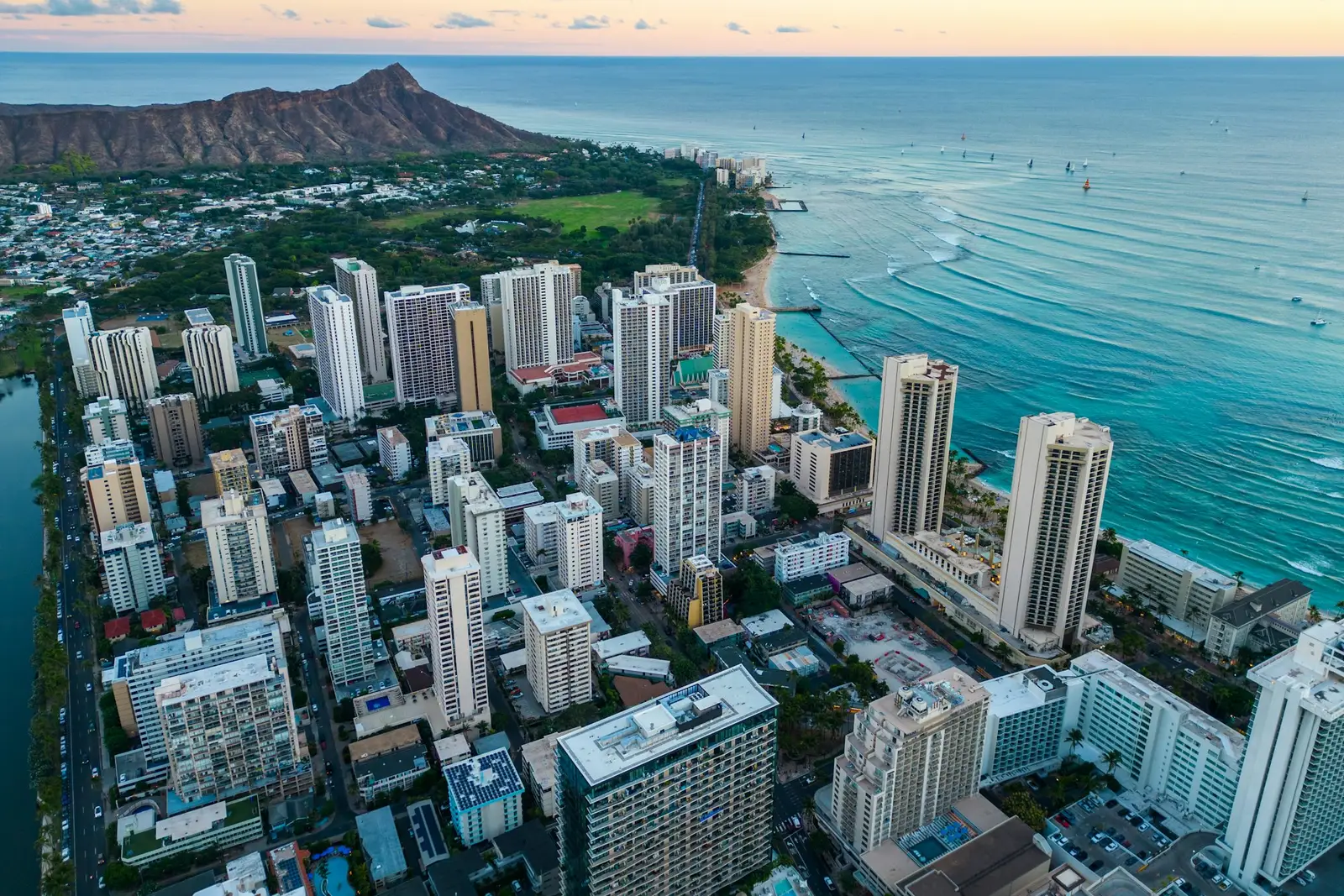
A huge share of Honolulu lives in condos and apartments, in Waikiki, Kakaako, Ala Moana, Makiki, Moiliili and along Kapiolani Boulevard. Some towers heat water centrally with commercial boilers or heat pumps, while many have a small electric tank in each unit's closet or kitchen. A failed tank in a high-rise can send water through several floors below, so associations often require drip pans, leak detectors and licensed installers, and some set schedules for replacement.
Single-family homes in Kaimuki, Manoa, Kalihi, Palolo and Aiea often keep the heater in a carport, an outdoor closet or a lanai enclosure, since there are no basements and mild weather makes outdoor installs workable. That exposure has a cost: salt air drifting in from the ocean corrodes jackets, fittings, solar collector frames and the copper lines feeding them, and homes close to the shore in Kahala, Ewa Beach or Kailua see it fastest.
The problems plumbers see most in Honolulu
- Dead solar pumps or controllers that leave the backup element doing all the work.
- Corroded fittings and tank jackets on carport and lanai heaters near the shore.
- Condo closet leaks that reach the units below in Waikiki and Kakaako towers.
- Leaking roof collectors and piping on older solar systems.
- Burned-out backup elements on solar tanks during cloudy windward stretches.
- Faulty relief valves on solar storage tanks that run near their temperature limits.
Typical water heater prices in Honolulu
| Job | Typical Honolulu range | Notes |
|---|---|---|
| Electric element or thermostat | $200–$425 | |
| Solar pump or controller replacement | $350–$800 | |
| Relief valve or fitting repair | $200–$450 | |
| 40–50 gallon electric tank replacement | $1,800–$3,400 | Permit usually included |
| Condo tank replacement | $2,000–$3,800 | Elevator and access rules add time |
| Heat pump water heater | $3,800–$6,500 | |
| New solar water heating system | $6,500–$11,000 | Before any credits or rebates |
Everything costs more on an island. Shipping equipment from the mainland, limited local inventory and high labor costs push Honolulu prices well above most U.S. cities, and condo jobs with building rules and parking limits add more.
Permits and Hawaii licensing
The City and County of Honolulu covers the entire island of Oahu, so the Department of Planning and Permitting (DPP) issues plumbing and electrical permits from Hawaii Kai to the North Shore. A heater replacement usually needs a plumbing permit, and a new solar system or added circuit may need an electrical permit as well. Permit processing at DPP has had well-known backlogs, so ask your contractor how long to expect.
Contractors and plumbers are licensed through the Hawaii Department of Commerce and Consumer Affairs (DCCA). The Contractors License Board licenses plumbing and solar contractors, and individual plumbers hold journeyman or master licenses through the state. The DCCA's online search shows license status and any complaints on file.
Electricity costs and heater choices
Hawaiian Electric's residential rates are the highest of any state, often two to three times the mainland average, so a standard electric tank is an expensive way to make hot water. That is why solar systems and heat pump water heaters dominate conversations here. A heat pump unit in a carport or utility room uses a fraction of the electricity of a plain element tank, and Honolulu's steady warmth keeps it efficient every month.
Hawaii Gas supplies utility gas through pipelines in parts of urban Honolulu and propane elsewhere on the island. Gas tankless and tank heaters show up in restaurants, some condos and older homes on the gas line. Hawaii Energy, the state's efficiency program, has offered water heating rebates at times, so check what is available before choosing equipment.
Repair or replace in Honolulu
Solar systems are built to last, and collectors often outlive two or three storage tanks. Replacing a pump, controller or sensor is almost always worth it when the panels themselves are sound. When the storage tank leaks, many owners keep the roof collectors and swap only the tank, provided the piping is not corroded.
In condos, a tank past its expected life is a liability to neighbors as well as yourself, so planned replacement before failure is sensible. For outdoor tanks near the ocean, heavy rust at the base or fittings usually means replacement is closer than the age alone suggests.
Around Honolulu
Because the City and County of Honolulu covers all of Oahu, Kailua, Kaneohe, Pearl City, Mililani, Kapolei and Ewa Beach share BWS water and DPP permitting with town. The exception is military housing on Navy and Army water systems, and homes on the neighbor islands, which have their own county water departments and building offices.
Water heater questions from Honolulu
Does Honolulu require solar water heaters?
Hawaii has required solar water heating on most new single-family homes since 2010, with limited variances. Existing homes are not forced to convert.
Was my water affected by the Red Hill leak?
The contamination was in the Navy's water system, not BWS. Homes that were on the Navy system were told to flush their heaters; BWS customers were not served contaminated water.
Why did my electric bill jump even though my solar heater seems fine?
A failed pump, sensor or controller can leave the backup element heating the tank. A technician can test the solar loop quickly.
Does a heat pump heater pay off on Oahu?
With Hawaiian Electric's high rates and warm air year-round, heat pump units usually pay back faster here than on the mainland.
Who issues water heater permits on Oahu?
The City and County of Honolulu Department of Planning and Permitting handles permits for the whole island.
How do I check a Hawaii plumber's license?
Use the DCCA's professional and vocational licensing search, which covers contractors and individual plumbers.
Why are my outdoor heater's fittings turning green?
Salt air corrodes copper and brass, especially near the shore. Have corroded fittings replaced before they start leaking.