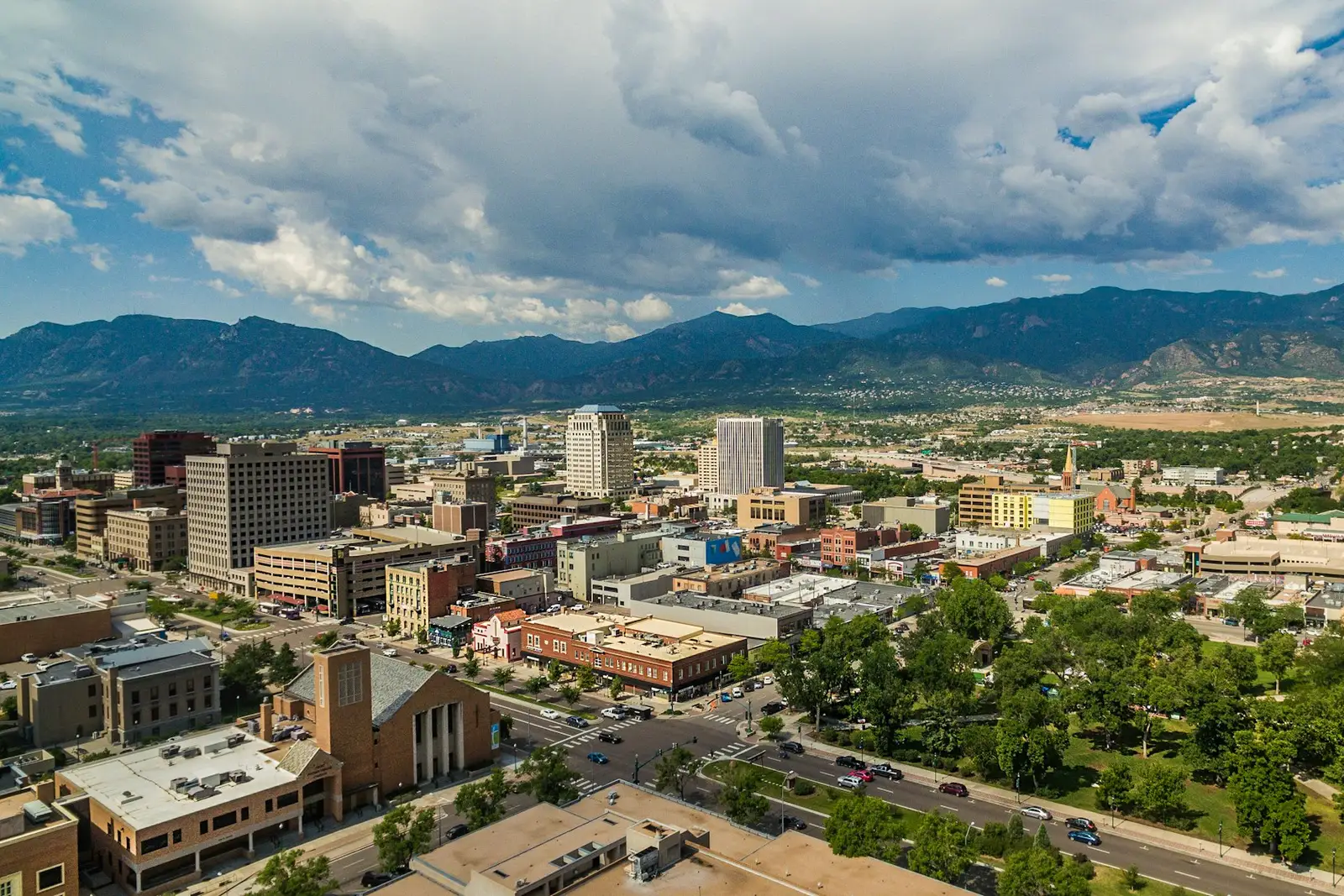
Colorado Springs Utilities and its mountain supply
Colorado Springs Utilities is a city-owned enterprise that provides water, natural gas, electricity and wastewater service to most of the city, so one bill and one phone number cover nearly every utility a water heater touches. Much of the water comes from the west side of the Continental Divide. The Homestake system collects snowmelt in the Eagle River headwaters, and the Blue River system draws from the Hoosier Pass area near Breckenridge. Those supplies travel by tunnel and pipeline to the Front Range, where they join water from reservoirs on the slopes of Pikes Peak.
Utilities treats that water at plants including Pine Valley in the northwest part of the city and McCullough on the east side. Snowmelt has had little time to pick up minerals, so the water reaching homes in Briargate, Rockrimmon or the Old North End is fairly soft. Sediment builds slowly in tanks, and tankless heat exchangers scale far less than they would in Pueblo or the Arizona desert.
The flip side is temperature. Mountain water piped through cold ground can arrive near 40°F in January, so a heater has to raise it by roughly 80 degrees to reach a normal setting. That is why a tank that seemed fine in September can run out partway through a second shower on a February morning.
About 6,000 feet: what derating means for your heater
Downtown Colorado Springs sits a little above 6,000 feet, and neighborhoods on the west side, around the Broadmoor, Cheyenne Mountain and Mountain Shadows, climb higher still. Each thousand feet of elevation reduces the oxygen in a given volume of air, and gas burners lose heat output along with it. Manufacturers and the fuel gas code account for that by derating, either with burner orifices sized for altitude or with equipment certified to run at a stated elevation range.
For a homeowner, derating shows up in three places. A 40,000 BTU tank delivers less actual heat here than its label suggests, so recovery after heavy use is slower. A tankless heater's rated gallons per minute shrink as well, and a model that barely covers two showers at sea level may only cover one here in winter. And any gas valve, burner or orifice installed during a repair has to match the altitude configuration of the heater, or the flame will burn dirty.
Signs of a burner that is wrong for the elevation include a lazy orange flame, black soot on the burner door, a sharp exhaust smell or a carbon monoxide alarm. Shut off the gas to the heater, open a window and call for service if you see any of those.
Basements and where heaters sit in Colorado Springs
Most Colorado Springs homes have a basement, and the furnace and heater usually share a corner of it. Victorian and Craftsman houses in the Old North End and Old Colorado City often have older stone or brick basements with low ceilings and tight stairways. Split-levels and ranches from the 1960s and 1970s in neighborhoods like Village Seven, Palmer Park and Cragmor put the heater in a lower-level utility room.
The large subdivisions built from the 1990s onward in Briargate, Stetson Hills, Cordera and the Banning Lewis Ranch area typically have finished or partly finished basements with a dedicated mechanical room. A leak there can soak carpet and drywall for days before anyone notices, so a drain pan and an inexpensive water alarm are worth having. Military families moving through Fort Carson, Peterson and Schriever often rent these homes, and a heater may go years without anyone draining or inspecting it.
Hail, wind and cold snaps
El Paso County sits in one of the most hail-prone parts of the country, and spring and summer storms here can shred roof vent caps and dent the flue terminations of water heaters. A cracked or crushed cap lets rain and snow run down the vent onto the burner, which rusts the burner assembly and can put out the pilot. After a big hailstorm, when the roofer is already up there, ask them to look at the water heater and furnace vents too. Tankless units with outdoor-mounted exhaust or intake terminations on a wall can also take direct hail strikes.
Winter cold snaps push nighttime lows below zero a few times most years, and strong downslope winds along the foothills can come with them. Pipes in garages, crawlspaces and unheated basement corners are the most exposed, and a heater whose combustion air comes from a cold garage may struggle to stay lit in gusty weather. Keeping the heater running and insulating cold-side pipes near it helps it ride out a hard freeze.
The problems plumbers see most in Colorado Springs
- Slow recovery in winter from tanks derated at altitude and fed near-freezing water.
- Rusted burners and wet pilots after hail cracked a vent cap.
- Finished-basement leaks discovered only after carpet or drywall is ruined.
- Tankless units falling short because they were chosen from sea-level flow charts.
- Wrong replacement parts that are not matched to the heater's altitude configuration.
- Frozen supply lines in garages and crawlspaces during subzero cold snaps.
Typical water heater prices in Colorado Springs
| Job | Typical Colorado Springs range | Notes |
|---|---|---|
| Thermocouple, flame sensor or pilot | $150–$325 | |
| Burner and vent inspection with cleaning | $150–$300 | Recommended after hail damage |
| Gas control valve | $400–$650 | Altitude-matched part |
| Vent cap or flue section replacement | $150–$400 | Roof access adds cost |
| 40–50 gallon gas tank replacement | $1,600–$3,200 | Permit usually included |
| Tankless installation | $3,400–$6,300 | Sized for altitude and winter inlet water |
| Heat pump water heater | $3,000–$5,800 | Basement location usually works |
Colorado Springs pricing is a little below the Denver metro. Tight stairways in old Westside basements, vent repairs that need roof access, and finished mechanical rooms that must be opened up are the usual reasons a bid climbs.
Permits and licensing through Pikes Peak Regional Building
Colorado Springs is unusual in that building permits and contractor licensing for the city and for unincorporated El Paso County are handled by a single regional agency, the Pikes Peak Regional Building Department. It issues the permit for a water heater replacement, inspects the work, and licenses contractors who work within its jurisdiction. Individual plumbers must also hold a license from the Colorado State Plumbing Board.
Before hiring, look the company up on the Regional Building website to confirm it holds a current contractor license there, and ask the plumber for their state plumbing license as well. A replacement in Colorado Springs, Manitou Springs, Fountain or Monument should come with a Regional Building permit and an inspection of the gas piping, venting and relief valve line.
Choosing a replacement at altitude
A standard atmospheric gas tank certified for high altitude remains the simplest and cheapest option, and in soft Colorado Springs water it often lasts 10 to 12 years. Larger households that run out in winter can step up to a 50 or 75 gallon tank or a higher-input model to make up for derating. Tankless heaters work well here if they are sized for the actual winter inlet temperature and the elevation, and if the gas meter and line can supply them.
Heat pump water heaters suit a basement that stays in the 50s or warmer, and they dehumidify the space a little. Colorado Springs Utilities has at times put money toward high-efficiency models, and its current offers are posted on its efficiency pages.
Repair or replace in Colorado Springs
Because the water is soft, many local tanks fail from a part rather than from the tank itself, and a new thermocouple, flame sensor or thermostat generally pays off if the tank is younger than about ten. A gas control valve on an older heater is borderline, since the altitude-matched part is expensive. Any leak from the tank shell, or a burner badly rusted by water coming down a damaged vent, points toward a new heater.
Around Colorado Springs
Fountain to the south runs its own municipal utilities, while Security and Widefield are served by local water districts that rely partly on groundwater. Monument and the Tri-Lakes area to the north draw much of their water from deep Denver Basin wells, which is noticeably harder than city water. Falcon and the eastern plains include many homes on private wells or small metro districts. Manitou Springs at the foot of Ute Pass has its own water system and older homes with cramped basements. Woodland Park, up Ute Pass in Teller County, sits above 8,000 feet and falls outside Regional Building's area, under its own permit office.
Water heater questions from Colorado Springs
Why does my water heater run out faster in winter in Colorado Springs?
Incoming mountain water drops near 40°F, and gas burners lose output at 6,000 feet, so the tank recovers more slowly. A larger tank or higher-input heater can help.
Is Colorado Springs water hard?
City water from Colorado Springs Utilities is fairly soft because it is mostly mountain snowmelt. Homes on wells in Monument, Falcon or the eastern plains often have much harder water.
Who issues water heater permits in Colorado Springs?
The Pikes Peak Regional Building Department handles permits and contractor licensing for the city and unincorporated El Paso County.
Can hail damage my water heater?
Indirectly, yes. Hail can crack or crush the vent cap on the roof, letting water run down the flue onto the burner. Have the vents checked after a big storm.
How big a tankless heater do I need at this altitude?
Size it for a January inlet near 40°F and for the derated output at your elevation, not from a sea-level chart. A local plumber can work out the flow you need.
How long do water heaters last in Colorado Springs?
Soft water helps tanks reach 10 to 12 years when the burner and venting stay in good shape. Basement leaks and vent damage are the more common reasons they fail early.