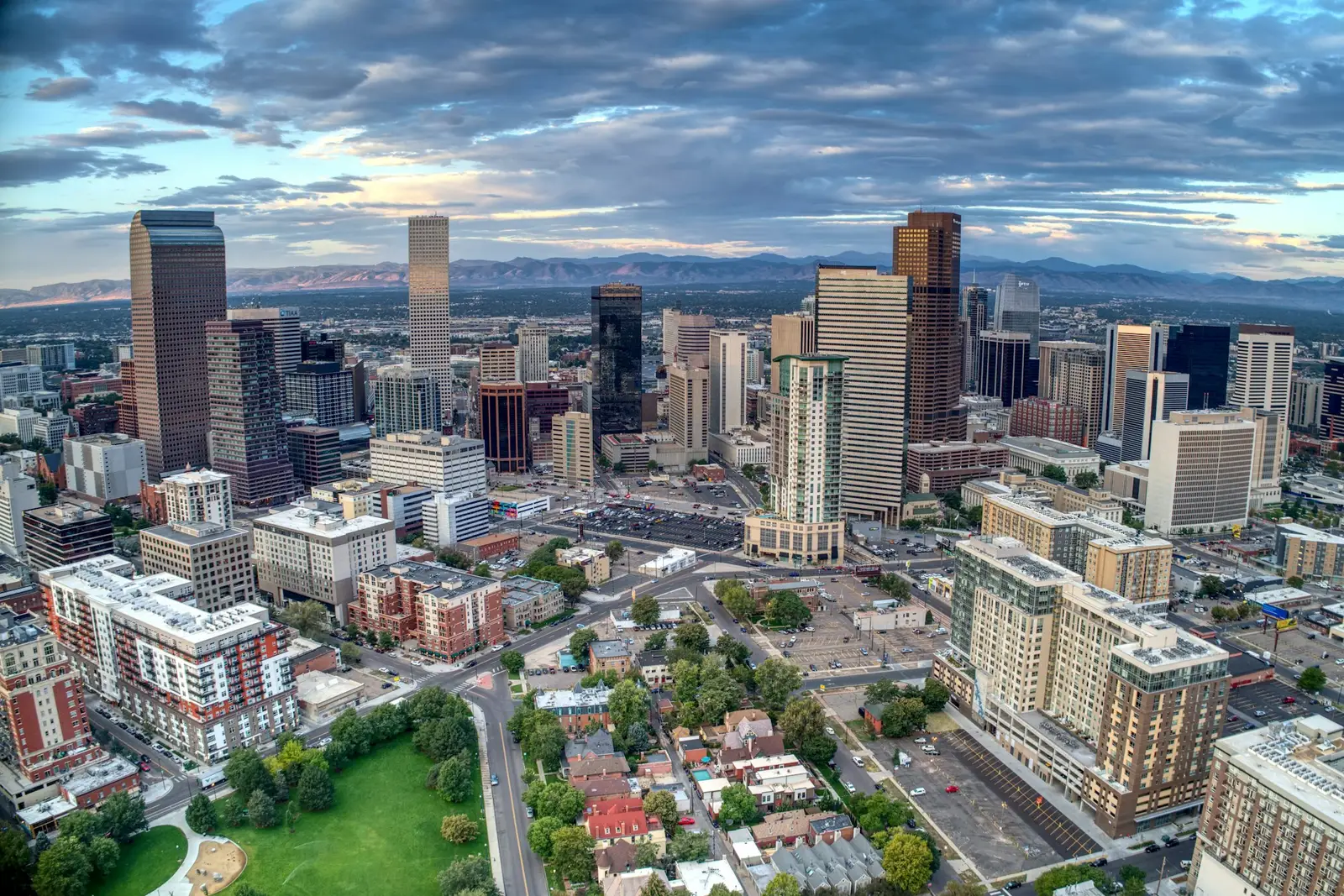
Altitude and gas water heaters
Air at Denver's elevation holds roughly 17 percent less oxygen per breath than air at sea level. A gas burner needs the right mix of gas and air to burn cleanly, so gas appliances installed at altitude are either built for it or adjusted with a smaller burner orifice, a process usually called derating. A water heater set up for sea level and installed in Denver can burn rich, produce soot, smell of exhaust and throw off more carbon monoxide.
Most heaters sold in Colorado are already approved for high-altitude use, and many tankless units have a setting for elevation. But altitude still shows up in repairs: replacement parts must match the heater's altitude configuration, burners need occasional cleaning to keep the flame correct, and a heater moved from a mountain cabin or ordered online should be checked before installation. If your burner flame looks yellow and lazy rather than mostly blue, or you see soot around the burner door, have it looked at.
Tankless units are especially sensitive. Their output ratings drop at altitude, so a unit rated for a certain flow at sea level delivers less in Denver. Sizing should account for both elevation and cold winter inlet water.
Denver's mountain water
Denver Water collects snowmelt from the South Platte River basin and brings additional water east under the Continental Divide from the Blue River, through the Roberts Tunnel out of Dillon Reservoir, and from the Fraser River, through the Moffat Tunnel. It treats that water at the Marston, Foothills and Moffat plants. The result is water that is soft to moderately hard, softer than most of the arid West, with some variation by plant and season.
That means Denver tanks build sediment slowly compared with Phoenix or Las Vegas. A flush every year or two is usually plenty, and tankless units typically need descaling about yearly or less. Suburbs served by other utilities, especially those relying on groundwater, can have noticeably harder water.
Bungalows, Denver squares and ranches
Denver's older neighborhoods, Washington Park, Highland, Congress Park, Platt Park, Berkeley and Park Hill among them, are full of brick bungalows, Denver squares and Tudors with full or partial basements. The water heater sits there beside the furnace, often venting into a masonry chimney. Mid-century ranches in places like Harvey Park, Virginia Village and University Hills usually have the heater in a basement or utility room.
Rapid infill in neighborhoods like Sloan's Lake, RiNo and the Highlands has replaced many older homes with modern townhouses and duplexes, which often use tankless units or compact heaters in closets. In newer suburban developments such as Stapleton, now called Central Park, and Green Valley Ranch, basements with utility rooms remain common.
The problems plumbers see most in Denver
- Sooty burners and poor combustion on heaters not set up correctly for altitude.
- Venting problems where a water heater is left alone in an old chimney after a furnace upgrade.
- Short hot water in winter from cold incoming water and undersized tanks.
- Tankless units sized for sea level that cannot keep up in a Denver January.
- Thermocouple and pilot failures on aging basement tanks.
- Leaks in finished basements, discovered under carpet or behind walls.
Typical water heater prices in Denver
| Job | Typical Denver range | Notes |
|---|---|---|
| Thermocouple or pilot repair | $175–$350 | |
| Burner cleaning and combustion check | $150–$300 | Worth doing on older gas tanks |
| Gas control valve | $400–$650 | Must match altitude configuration |
| 40–50 gallon gas tank replacement | $1,700–$3,400 | Permit usually included |
| Tankless installation | $3,500–$6,500 | Sized for altitude and winter water |
| Heat pump water heater | $3,200–$6,000 | Before incentives |
Denver prices sit somewhat above the national average. Old basement stairways, chimney relining and tankless conversions that need a larger gas line all push costs up.
Permits and licensing in Denver
Colorado licenses plumbers through the State Plumbing Board, part of the Department of Regulatory Agencies, and you can verify a license online. Denver's Community Planning and Development department requires a permit for water heater replacement, with an inspection of the gas connection, venting, combustion air and relief valve discharge. Aurora, Lakewood, Englewood and the other surrounding cities run their own permit offices.
When you call, ask whether the plumber pulls the Denver permit and whether the heater they plan to install is approved for altitude. Both answers should come without hesitation.
Dry air, cold snaps and Chinook winds
Denver winters swing between bright, mild days and sudden Arctic cold. Incoming water in January drops into the low 40s, so tanks recover slowly when the household is busy. Garages and crawlspaces can get cold enough to freeze exposed pipes during a deep cold snap, especially when a gusty wind blows through gaps. Insulating exposed lines near the heater is cheap protection.
Strong winds can also affect sidewall-vented heaters and tankless units, pushing exhaust back or blowing out pilots. If your heater shuts down on windy days, the vent termination may need a wind-resistant cap or a different location.
Repair or replace in Denver
Because Denver water is relatively gentle, many tanks here reach the upper end of the usual 8 to 12 year range. Single-part repairs, such as a thermocouple, a thermostat or a relief valve, are usually worth doing on a tank under ten years old, provided the burner and venting check out. A gas valve on an older tank is where the math tips toward replacement, especially because the replacement valve has to match the heater's altitude setup.
If the heater is near the end of its life, it is worth deciding in advance whether you want another tank, a tankless unit sized for altitude, or a heat pump unit. Xcel Energy and state programs have offered incentives for efficient water heaters, and knowing your options before a failure avoids a rushed choice on a cold January morning.
Around Denver
Aurora to the east is the region's largest suburb, with neighborhoods from the 1960s to brand-new developments, and its own water utility. Lakewood and Arvada to the west mix mid-century ranches with newer homes. Centennial, Littleton and Highlands Ranch to the south are full of 1980s and 1990s homes whose original heaters have been replaced at least once. Up in the foothills, homes in Evergreen and Conifer sit thousands of feet higher still, where altitude settings matter even more.
Water heater questions from Denver
Does altitude affect my water heater in Denver?
Yes. Gas heaters need to be built or adjusted for high altitude so they burn cleanly. Tankless units also lose some capacity at elevation.
Is Denver water hard?
It is soft to moderately hard, varying by treatment plant and season. Softer than most western cities.
Do I need a permit to replace a water heater in Denver?
Yes. Denver's Community Planning and Development department requires a permit and inspection.
Why is there soot around my water heater burner?
The burner is likely burning rich, from altitude settings, a dirty burner or poor combustion air. Turn it off and have it checked, because it can also mean carbon monoxide.
What size tankless water heater do I need in Denver?
Larger than you would need at sea level, because of altitude derating and cold winter water. A local plumber should size it for January conditions.