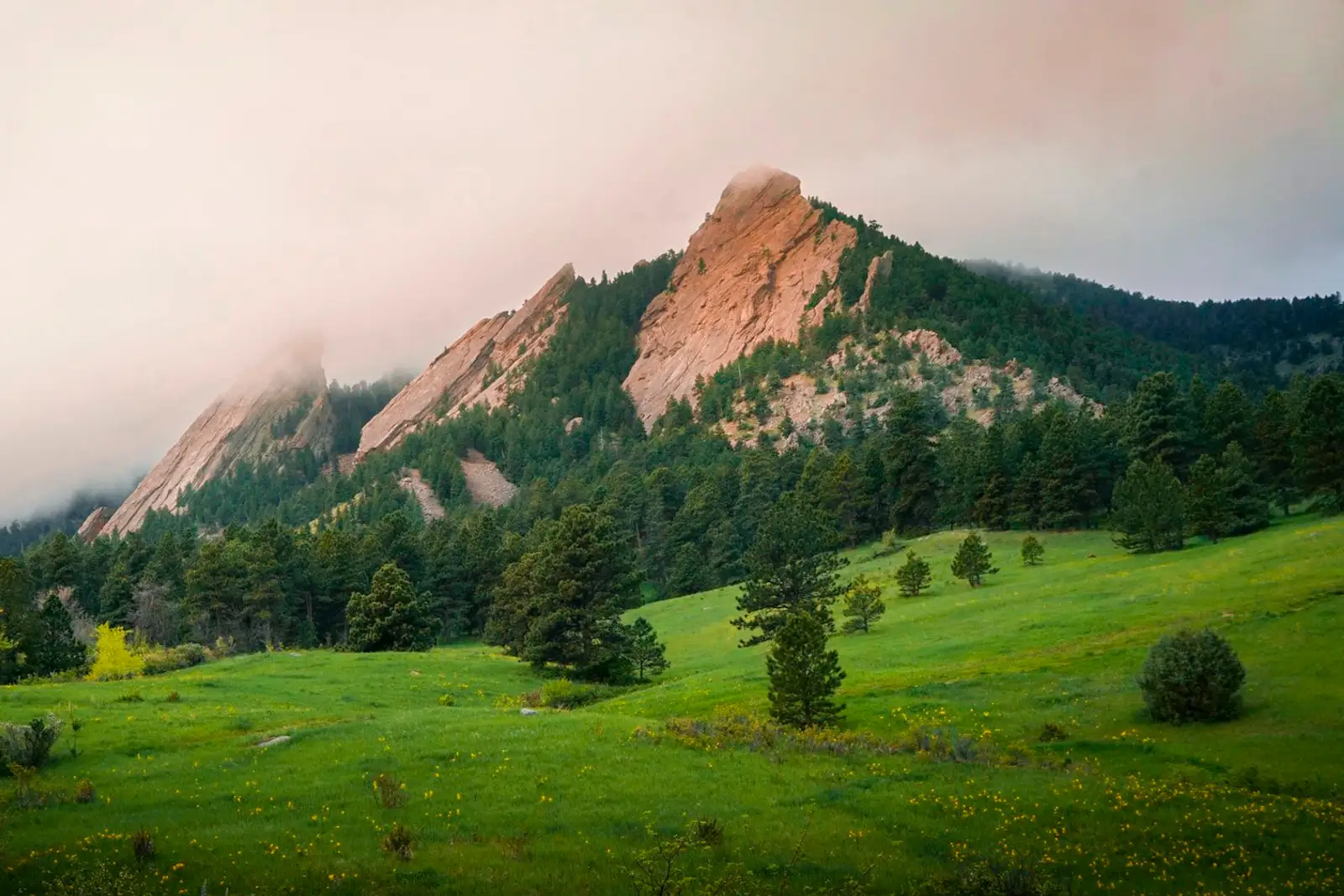
From the Indian Peaks to the tap
Boulder owns an unusually high and local water supply. The Silver Lake watershed, a protected basin of lakes below the Continental Divide, feeds North Boulder Creek and Lakewood Reservoir. Barker Reservoir, the lake beside Nederland, stores Middle Boulder Creek water that runs down to the city through a gravity pipeline. Both streams are treated at the Betasso plant, high in the canyon west of town. A third supply, including Colorado-Big Thompson water stored in Boulder Reservoir northeast of the city, is treated at the Boulder Reservoir plant and used mainly to meet summer demand.
Snowmelt off granite carries very little calcium, and Boulder water is soft. A tank here can go years without much buildup, and a tankless heat exchanger may need descaling only every two or three years. That gentle water still wears through anode rods at a steady pace, so the anode, rather than scale, is the part that decides how long many Boulder tanks last.
The more important number is temperature. Water from high mountain lakes arrives very cold in winter, often near 40°F. A heater has to raise it by eighty degrees or more for a hot shower, and that is where an undersized tank or tankless unit shows its limits first.
Altitude-rated gas burners
At about 5,400 feet, every cubic foot of air holds less oxygen than at sea level. A gas water heater has to be listed for this elevation or converted following the manufacturer's high-altitude instructions, usually with a smaller orifice that reduces the gas fed to the burner. When a burner is over-fired for the altitude, it can burn with a yellow, floppy flame, coat the baffle in soot and push carbon monoxide levels up.
Boulder plumbers check the rating plate before installing anything bought online or carried down from a mountain property, and they size tankless units knowing that rated output falls with elevation. Homes higher up toward Sunshine Canyon, Flagstaff Road or Lee Hill sit at higher elevations still, and the derate grows as the road climbs.
Mapleton Hill to Table Mesa
Boulder's oldest neighborhoods, Mapleton Hill, Whittier, Goss-Grove and University Hill, are filled with Victorian and early twentieth century homes, many with low-ceiling basements or cellars. Water heaters there often sit beside an older boiler or furnace, sometimes sharing a masonry chimney, and steep basement stairs complicate removal. University Hill also has a dense stock of student rentals, many with tired tanks.
Post-war neighborhoods such as Martin Acres, Table Mesa, Frasier Meadows, Keewaydin and Majestic Heights have ranch houses and bi-levels with the heater in a basement or a utility room off the garage. North Boulder and Gunbarrel have newer homes and townhomes, some with tankless or heat pump water heaters already installed under the city's energy rules.
Floods, wildfire and Chinook winds
The September 2013 flood is still a reference point for Boulder homeowners. Days of heavy rain sent Boulder Creek, Fourmile Canyon Creek and smaller drainages over their banks, and groundwater rose into basements across the city, including many that never flood from the surface. Water heaters sitting in those basements were often ruined. Many homes added sump pumps, backflow valves and raised stands afterward, and a heater placed on a stand with a pan and leak sensor is common sense in flood-prone areas.
The Marshall Fire of December 30, 2021, driven by downslope winds gusting above 100 mph, destroyed about a thousand homes in Louisville, Superior and unincorporated Boulder County just southeast of the city. Those same Chinook and bora winds hit Boulder several times a winter. Strong gusts can backdraft a natural-draft gas heater, blowing out the pilot or pushing exhaust back into the basement, so vent caps and terminations here need to be correctly designed and secured.
What Boulder plumbers fix most often
- Pilots blown out by Chinook gusts pushing down the flue on windy winter nights.
- Showers turning lukewarm in January as 40-degree creek water overwhelms an undersized tank.
- Sooting burners on heaters not set up properly for the altitude.
- Depleted anodes in tanks running on soft mountain water.
- Basement leaks in homes that remodeled lower levels after 2013.
- Heat pump water heater questions, from condensate drainage to noise in finished basements.
Boulder water heater price ranges
| Job | Typical Boulder range | Notes |
|---|---|---|
| Thermocouple, pilot or flame sensor | $170–$340 | |
| Gas valve or altitude orifice correction | $425–$725 | |
| Anode rod replacement | $200–$400 | |
| Vent cap or termination repair | $225–$600 | Wind-related |
| Stand, pan and leak sensor | $200–$450 | Common in flood-prone basements |
| 40–50 gallon gas tank replacement | $1,900–$3,900 | Permit and disposal |
| Heat pump water heater installed | $3,800–$7,200 | Electrical work varies |
Boulder prices run higher than most of the Denver metro because of steep basement access in older homes, the cost of living for tradespeople and the extra electrical and permitting work that comes with electrification. Rebates from Xcel, the city and Boulder County have offset some heat pump costs at times.
Permits and plumbing licenses
The City of Boulder's Planning and Development Services office issues heater permits within city limits, reviews mechanical, plumbing and electrical work and schedules inspections. The city has adopted energy codes that push new buildings and major remodels toward all-electric equipment, so it is worth confirming current requirements with the department or your plumber before replacing a gas heater. Unincorporated addresses, including parts of Gunbarrel and the foothills, go through Boulder County's Community Planning and Permitting.
Plumbing licenses in Colorado, at master, journeyman and residential levels, are issued by the State Plumbing Board under DORA, the state's regulatory agency umbrella. In Colorado, plumbers also handle gas piping for water heaters. Verify the license online and confirm the permit will be pulled before work begins.
Heat pump water heaters in Boulder
Boulder has made electrification a central part of its climate goals, and heat pump water heaters are its leading example in homes. Xcel Energy supplies both gas and electricity, after voters ended the city's long effort to form a municipal electric utility in 2020. A heat pump unit uses ambient basement air, so it works well where a basement stays around 55 to 65°F through the year.
Installers will want either a dedicated 240-volt line or one of the newer plug-in units, plus a place for condensate to go and room for the unit to breathe. They also cool the air around them, which can be a benefit in summer and a minor cost in winter. With soft water and a sound anode, they can last as long as a gas tank or longer.
Around Boulder
Louisville and Superior each run separate water and building departments, and both rebuilt hundreds of homes after the Marshall Fire. Lafayette and Longmont also run municipal water utilities with their own building departments. Gunbarrel is split between city and county jurisdiction, and mountain towns like Nederland rely on their own water and county permits.
Water heater questions from Boulder
Is Boulder water hard?
No. It is soft snowmelt from the Silver Lake watershed and Barker Reservoir, with low mineral content.
Why does my gas heater pilot go out on windy nights?
Chinook gusts can push air down the flue and blow out the pilot. A properly designed vent cap and termination usually fix it.
Do I need an altitude-rated water heater in Boulder?
Yes. At about 5,400 feet, gas heaters must be listed or converted for high altitude to burn cleanly.
Will Boulder let me put in another gas tank?
Requirements are evolving with city energy codes. Check with Planning and Development Services or your plumber before buying.
My basement flooded in 2013. Should I raise the heater?
It is a good idea. A stand, drip pan and leak sensor reduce damage if water rises again.
Who licenses plumbers in Colorado?
The Colorado State Plumbing Board, which issues master, journeyman and residential licenses.