Wells, an old glacial valley and a softening plant
The Town of Normal runs its own water utility, separate from the City of Bloomington's reservoir system. Its supply comes from a dozen or so wells, most within town limits and several to the west, that reach into sand and gravel deposits left by glaciers. The deepest and most productive of these is the Mahomet-Sankoty aquifer, which fills an ancient buried river valley across central Illinois. Other wells tap the Glasford and Wedron formations closer to the surface.
Raw water from the wells is piped to the town's treatment plant, where lime and alum soften it before filtration, fluoridation and disinfection. The plant is built for a little under ten million gallons a day. In recent years the town has drilled new wells, piloted ammonia removal and studied what to do with the lime sludge that softening leaves behind. Normal's mayor has also spoken publicly about protecting the aquifer from proposed carbon dioxide pipelines across the region.
For water heaters, the key points are temperature and minerals. Groundwater from deep wells arrives in the low to mid 50s nearly all year, much warmer in winter than Bloomington's lake water. Lime softening takes out a good share of the hardness, but what remains still drops a fine white sediment in tank bottoms, especially on tanks that run hot.
Fell Avenue houses, campus rentals and north side subdivisions
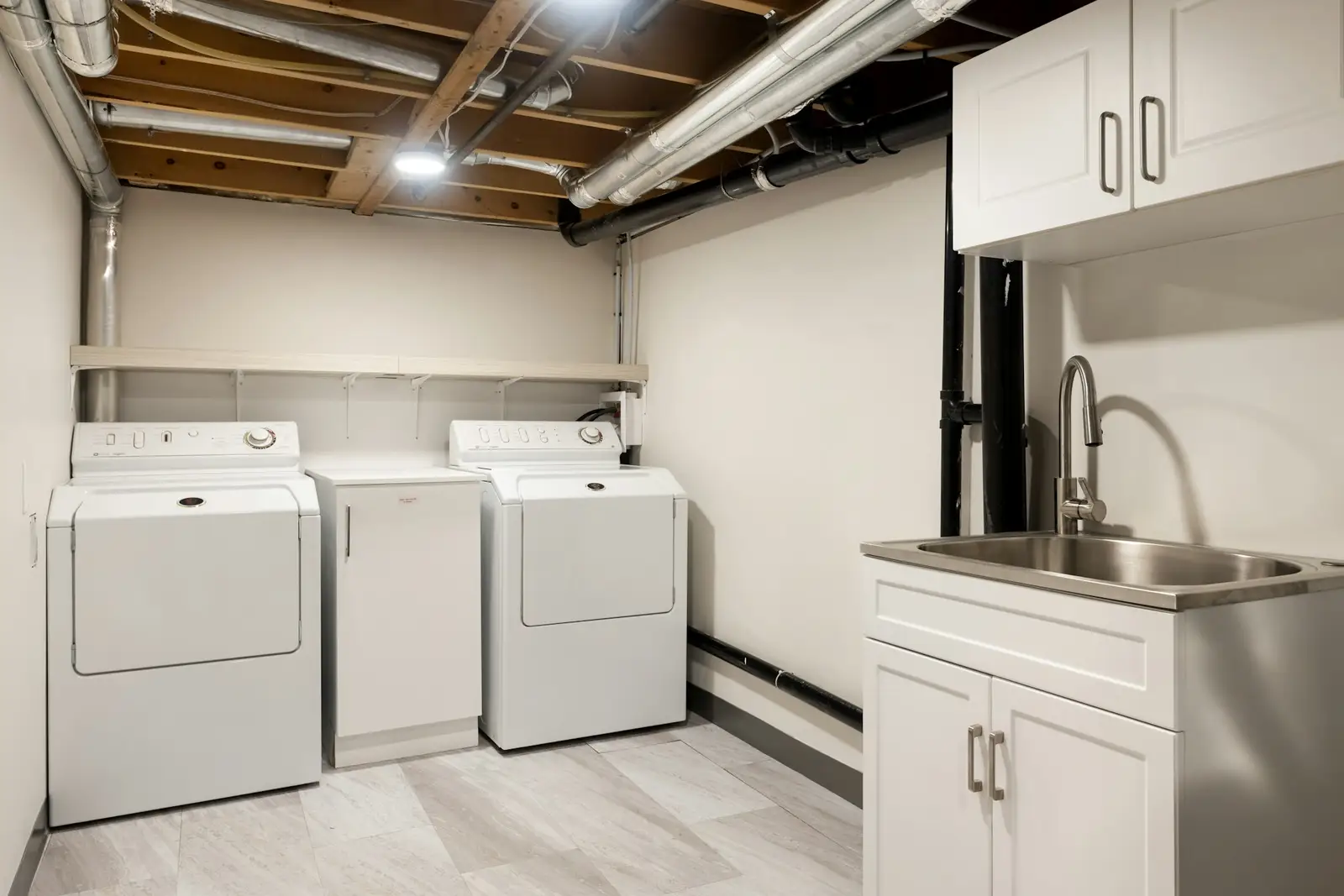
Normal grew up around Illinois State Normal University, founded in 1857, and the oldest homes sit in the blocks around the Quad, Uptown and the Fell Avenue area. Those are tall frame and brick homes dating to the normal school's first decades, set over full basements, and many have been carved into student apartments. Open the cellar door on one of those conversions and you may count two or three little heaters, each serving a unit, sometimes sharing a single chimney.
Midcentury ranches and split-levels fill the neighborhoods south of College Avenue and toward the Bloomington line, where the tank generally keeps the furnace company downstairs. North of Raab Road and out along the edges of town, subdivisions from the 1990s onward have larger basements, power-vent and direct-vent gas tanks and a growing number of tankless units.
Uptown's redevelopment over the past two decades brought mid-rise apartments and condos with electric heaters in unit closets. Large apartment complexes near ISU and along Main Street use both electric tanks and commercial systems, and employees at the Rivian plant on the west side and at State Farm across the line in Bloomington have added demand for new houses on the town's growing edges.
Prairie wind, August move-in and winter break
Central Illinois winters are cold and windy, with gusts across open fields pushing wind chills well below zero. Groundwater temperature keeps tank output fairly steady, but basements in older campus-area houses can get cold enough to slow recovery and to stress old vent connectors. Ice and snow can block sidewall vents on newer homes after a storm.
The student calendar matters just as much. In August, rental houses that sat half-empty all summer suddenly fill with four or five tenants, and heaters that have been idling at low settings get hammered with back-to-back morning showers. Over winter break, some landlords turn heaters down or off in houses with no one living in them, and a cold snap in an unheated basement can freeze pipes. Calls spike at both ends of each semester.
Spring and summer storms can be severe in McLean County, and heavy rain can flood older basements with clay sewer laterals. A heater whose burner has been underwater should stay off until a plumber has inspected it.
The problems plumbers see most in Normal
- Move-in week failures in student houses where a small tank suddenly serves five people.
- Shared chimney problems in converted Fell Avenue and campus-area houses with several heaters.
- White sediment buildup in tanks running on softened but still mineral-bearing well water.
- Thermostat and element failures in electric tanks in Uptown and campus apartments.
- Relief valve drips where tenants have turned the thermostat up to its maximum setting.
- Blocked sidewall vents on north side homes after drifting snow.
Typical water heater prices in Normal
| Job | Typical Normal range | Notes |
|---|---|---|
| Thermocouple or flame sensor | $140–$290 | |
| Gas control valve | $360–$590 | |
| Element and thermostat (electric) | $150–$320 | Common in apartments |
| Flush and sediment removal | $110–$240 | |
| Relief valve or expansion tank | $155–$360 | |
| 40–50 gallon gas tank replacement | $1,350–$2,800 | Town permit and disposal |
| Tankless installation | $3,100–$5,900 |
Normal shares a labor market with Bloomington, and prices run well below the Chicago area. Rental conversions with several heaters in one cramped basement and jobs that need a chimney liner cost more, while an open basement in a newer north side home sits at the lower end of each range.
Illinois licensing and Town of Normal permits
IDPH in Springfield licenses each plumber who works in Normal and keeps a separate roll of registered plumbing contractors. A quick search of the IDPH license database before hiring is worth the minute it takes.
The Town of Normal issues its own plumbing permits through its building inspection staff, separate from Bloomington's code office. Expect a permit on a heater swap, then a visit from a town inspector who looks at gas piping, draft and the discharge tube off the relief valve. Properties on unincorporated land outside the town, such as some rural homes north toward Towanda, go through McLean County instead.
Advice for campus-area landlords
If you own rental houses near ISU, schedule heater service in July, before tenants arrive. Draining the sediment, lifting the relief lever, pulling the anode and watching the draft hood with the burner lit take less than an hour per heater and prevent most of the emergency calls that come in the first week of classes. Set thermostats to around 120 degrees and consider a tamper-resistant cover if tenants keep turning them up.
In converted houses with several units, label each heater with the unit it serves and its install date. Over winter break, leave heaters on at a vacation or low setting rather than off, and keep the basement heated. When a tank in a multi-unit house reaches its early teens, swap it in summer on your schedule; see planned rental replacements for how that works.
Nicor Gas, Ameren and upgrade options
Power across Normal is delivered by Ameren Illinois, while Nicor Gas pipes natural gas to most addresses in town. Gas tanks are standard in single-family homes, while many apartments run electric. Both utilities have run efficiency programs at times for heat pump water heaters and high-efficiency gas units; check what is offered before you choose.
Groundwater that arrives in the 50s gives heat pump and tankless heaters an easier job than in towns with icy winter supply water. Heat pump models are happiest in the roomy unfinished basements north of Raab Road. Tankless heaters still need periodic descaling on Normal's softened water; see tankless maintenance in Normal.
Repair or replace in Normal
Steady groundwater temperatures and plant softening help Normal heaters last, so a ten-year-old tank with a failed thermocouple or element is often worth repairing. Replace when the tank leaks, when a flooded heater has been underwater, or when a rental tank is too small for the number of tenants it now serves. If the tank pops and rumbles, try a sediment flush for Normal tanks first.
Around Normal
Bloomington, just south, draws from Lake Bloomington and Evergreen Lake and has its own code office. Towanda, Hudson and Carlock are small McLean County communities with their own water or private wells. Downs and Heyworth to the southeast and south likewise handle water and permits separately.
Water heater questions from Normal
Does Normal get the same water as Bloomington?
No. Normal pumps groundwater from its own wells and softens it at a town plant, while Bloomington uses two reservoirs north of the city.
Why is there white sediment in my Normal water heater?
Lime softening removes much of the hardness, but some minerals remain and settle in the tank. A yearly flush clears it.
Does winter cut my hot water as much in Normal?
Less than in many towns. Well water stays in the low to mid 50s, so tank output changes little between seasons.
Who issues water heater permits in Normal?
The Town of Normal's building inspection staff, not the City of Bloomington.
My student rental's heater fails every August. Why?
Tanks that idle all summer then serve a full house of tenants show their weaknesses fast. Service them in July before move-in.
What utilities serve Normal homes?
Ameren Illinois for power, Nicor Gas for natural gas.