Santa Monica's push for local water
Santa Monica owns and operates its water utility, and its strategy has centered on local groundwater. The Charnock wellfield in West Los Angeles was shut down in the 1990s after gasoline additive MTBE leaked from nearby service station tanks, and the city later restored it with granular activated carbon treatment. Charnock water joins well water from the Olympic and Arcadia subbasins on the way to treatment.
At the Arcadia Water Treatment Plant, near the city's northeastern edge, operators remove iron and manganese, filter the water and send much of it through reverse osmosis softening before disinfection. Recent projects expanded Arcadia and brought the Olympic wellfield back into service, raising the share of water the city produces itself. Metropolitan Water District imports cover the gap during maintenance or high demand.
For water heaters, the RO step makes a noticeable difference: tanks in buildings that have only seen recent Santa Monica water tend to collect less scale than those in neighboring Los Angeles. Still, many older apartment boilers and tanks spent years on harder supply, and a flush can still turn up a surprising layer of old sediment.
Apartments, cottages and where heaters hide
A large majority of Santa Monica households rent, and many live in two- and three-story apartment buildings built in the 1950s and 1960s. Some have one big gas boiler or commercial tank in a ground-floor mechanical room or up on the roof serving every unit, while others give each apartment its own tank in a hallway closet, balcony enclosure or kitchen corner. Access often involves narrow stairways and tuck-under parking.
Ocean Park, near the southern beach, has small cottages, Craftsman bungalows and courtyard apartments with heaters on back porches or in tiny side yards. North of Montana and the Wilshire Montana area hold larger single-family homes and remodeled houses where tankless units and heat pump water heaters are increasingly common. Sunset Park, near the airport, mixes postwar homes with newer infill.
Newer mixed-use buildings around Downtown Santa Monica and along the Expo Line corridor are more likely to have central heat pump plants or high-efficiency boilers, and repairs there usually go through property management rather than individual tenants.
Marine air, seismic history and tight sites
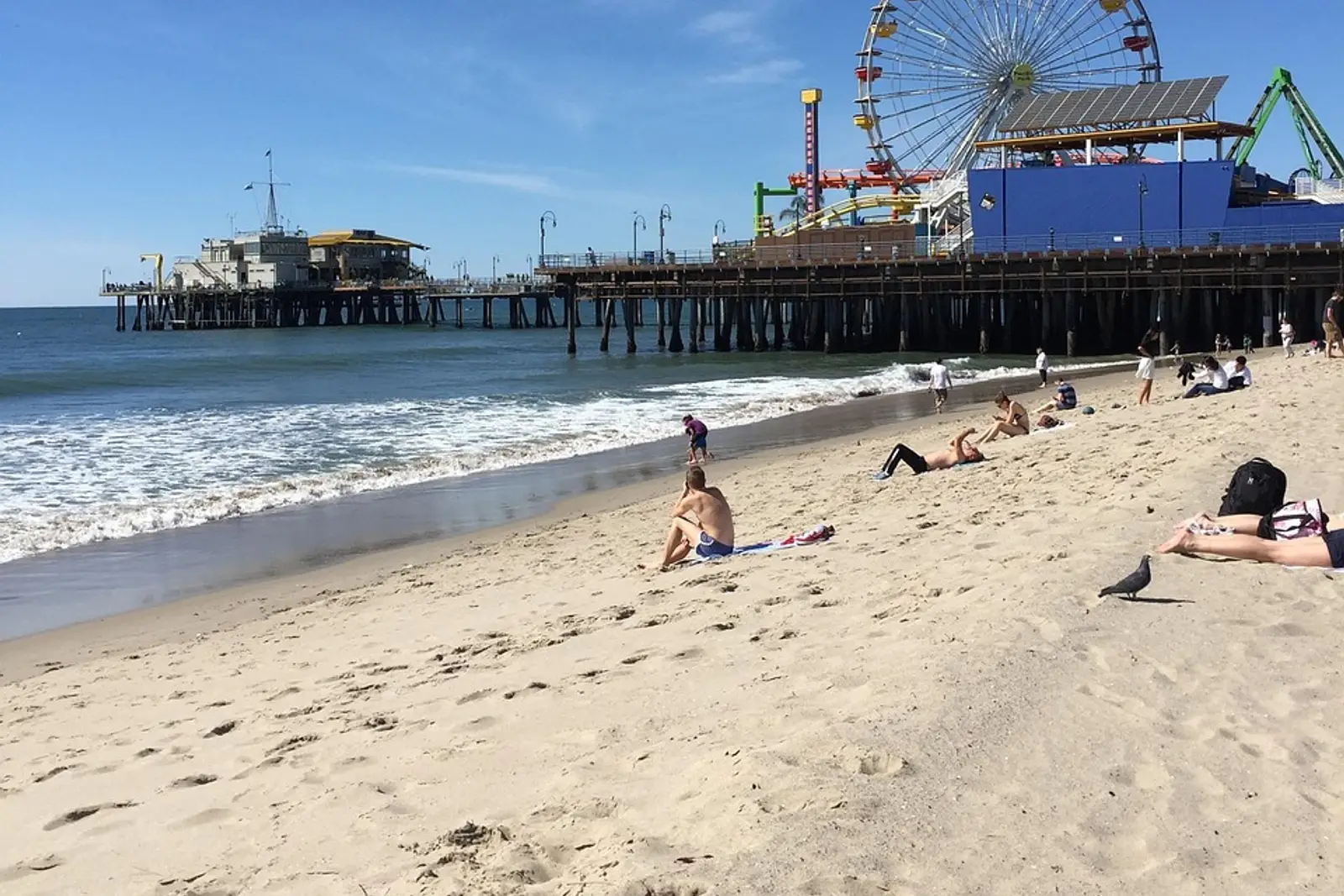
Santa Monica's coastal climate keeps garages and closets cool, which makes tank failures less heat-related than in inland valleys. Salt-laden marine air is another story. Vent caps, outdoor tankless covers and gas fittings on homes west of Lincoln Boulevard corrode faster, and corrosion-resistant materials pay off near the beach.
The 1994 Northridge earthquake damaged many Santa Monica buildings, especially older apartment structures, and the city later adopted soft-story retrofit rules for vulnerable buildings. Water heaters must be braced with seismic straps, and central plant equipment in larger buildings needs proper anchoring and flexible connections.
Small lots and dense blocks mean limited space for exterior vents and condensers. Heat pump units need clearances and airflow, and a crowded closet may require ducting or a split system. Plumbers often spend as much time solving placement as they do on the heater itself.
The problems plumbers see most in Santa Monica
- Central boiler failures that leave an entire apartment building without hot water.
- Rusted vent caps and outdoor fittings close to the beach.
- Closet heaters with poor combustion air in older apartments and duplexes.
- Heat pump retrofits that need new circuits, condensate drains or ducting.
- Leaking tanks above finished floors in multi-story buildings.
- Recirculation pump failures in larger buildings and remodeled homes.
Typical water heater prices in Santa Monica
| Job | Typical Santa Monica range | Notes |
|---|---|---|
| Thermocouple, igniter or pilot repair | $190–$360 | |
| Gas control valve | $450–$760 | |
| Recirculation pump replacement | $350–$850 | |
| Tank flush | $150–$300 | |
| 40–50 gallon gas tank replacement | $2,100–$4,200 | Permit and disposal |
| Heat pump water heater installation | $4,500–$8,500 | Electrical work varies |
| Commercial or central boiler repair | $600–$2,500+ | Depends on system |
Santa Monica sits at the high end of Los Angeles County pricing. Parking, building access, stair carries, after-hours work for occupied rentals and electrical upgrades for heat pumps all affect the final cost.
Permits, rent control and licensing
Permits come from Santa Monica's Building and Safety Division, which works out of City Hall on Main Street. Inspectors there check seismic bracing and relief valve piping on every job, and on heat pump conversions they also review the new circuit and the condensate route. Santa Monica also has local energy reach codes, so check current requirements before replacing gas equipment.
Tenants in rent-controlled units should put a hot water complaint in writing to the owner or management company. Landlords are responsible for maintaining hot water as a basic habitability service, and the Santa Monica Rent Control Board can explain tenant rights.
For anything over $500, the plumber needs a current CSLB license, normally the C-36 class, and a heat pump conversion that adds a new circuit often brings in a licensed electrician too. Where gas equipment is still installed, regional air rules from the South Coast AQMD require ultra-low-NOx burners.
Electrification and heat pump choices
Southern California Edison delivers electricity in Santa Monica, while Clean Power Alliance supplies renewable power to many customers. Southern California Gas Company provides natural gas. Heat pump rebates through Edison and statewide programs have surfaced at times, and they can offset part of the electrical work.
Ocean air keeps Santa Monica garages and closets in a narrow, mild band all year, which is an easy range for a heat pump tank. Single-family homes often have room in garages or side yards, while apartments may need compact units, split systems or central heat pump plants. Planning ahead helps avoid an emergency gas replacement when a tank fails.
Around Santa Monica
Los Angeles neighborhoods including Venice, Mar Vista, Brentwood and Pacific Palisades use LADWP water and power, with permits through the Los Angeles Department of Building and Safety. Culver City has its own building department, while water service there comes largely from Golden State Water. Malibu relies mainly on Los Angeles County Waterworks District 29 and has its own building office.
Water heater questions from Santa Monica
Does Santa Monica use its own water?
Much of it comes from local wells treated at the Arcadia Water Treatment Plant, with some imported water from the Metropolitan Water District.
Is Santa Monica water hard?
Moderately hard, though reverse osmosis softening at Arcadia reduces mineral levels compared with straight imported water.
Who fixes the heater in my rent-controlled apartment?
Usually the owner is. Hot water is a basic habitability service, so send the repair request in writing and save your own copy of it.
Can I replace a gas water heater with gas in Santa Monica?
Requirements can change, so check current city codes before replacing equipment. A heat pump may be required or preferred in some situations.
Do heat pump water heaters work near the beach?
Yes. The mild climate keeps them efficient, though they need enough space, airflow and electrical capacity.
Why do outdoor parts corrode so fast in Ocean Park?
Salt-laden marine air attacks metal vents and fittings. Corrosion-resistant parts last longer.