Glendale Water & Power and the city's supply
Glendale Water & Power, the city-owned utility, handles both the tap water and the electricity for most homes in town. Most of what flows from Glendale taps is purchased from Metropolitan, the wholesaler that imports supply for the Southland, as a mix of State Water Project deliveries from Northern California and Colorado River water. GWP supplements that with local groundwater. Wells in the San Fernando Basin feed a city treatment plant built to remove industrial solvents and chromium left from the valley's aerospace era, and smaller wells in the Verdugo Basin serve the northern part of the city.
The result is water that ranges from moderately hard to hard depending on the season and the blend. Homeowners in Adams Hill or Rossmoyne see the familiar white crust on faucets, and tank heaters gradually fill with sediment. Colorado River water in particular carries more dissolved minerals than State Project supply, so a tank that seemed quiet one year can start rumbling the next as the blend changes.
Bungalows, apartments and canyon homes
Much of Glendale was built between the 1910s and 1940s. Neighborhoods like Rossmoyne, Moorpark and the Northwest Glendale streets near Brand Park are full of Craftsman bungalows and Spanish Colonial Revival houses, and their heaters usually sit in a rear service porch, a closet off the kitchen or a small detached garage reached by a narrow driveway. Those older installs often have vent pipes that run up through a shared wall or out through the roof at awkward angles.
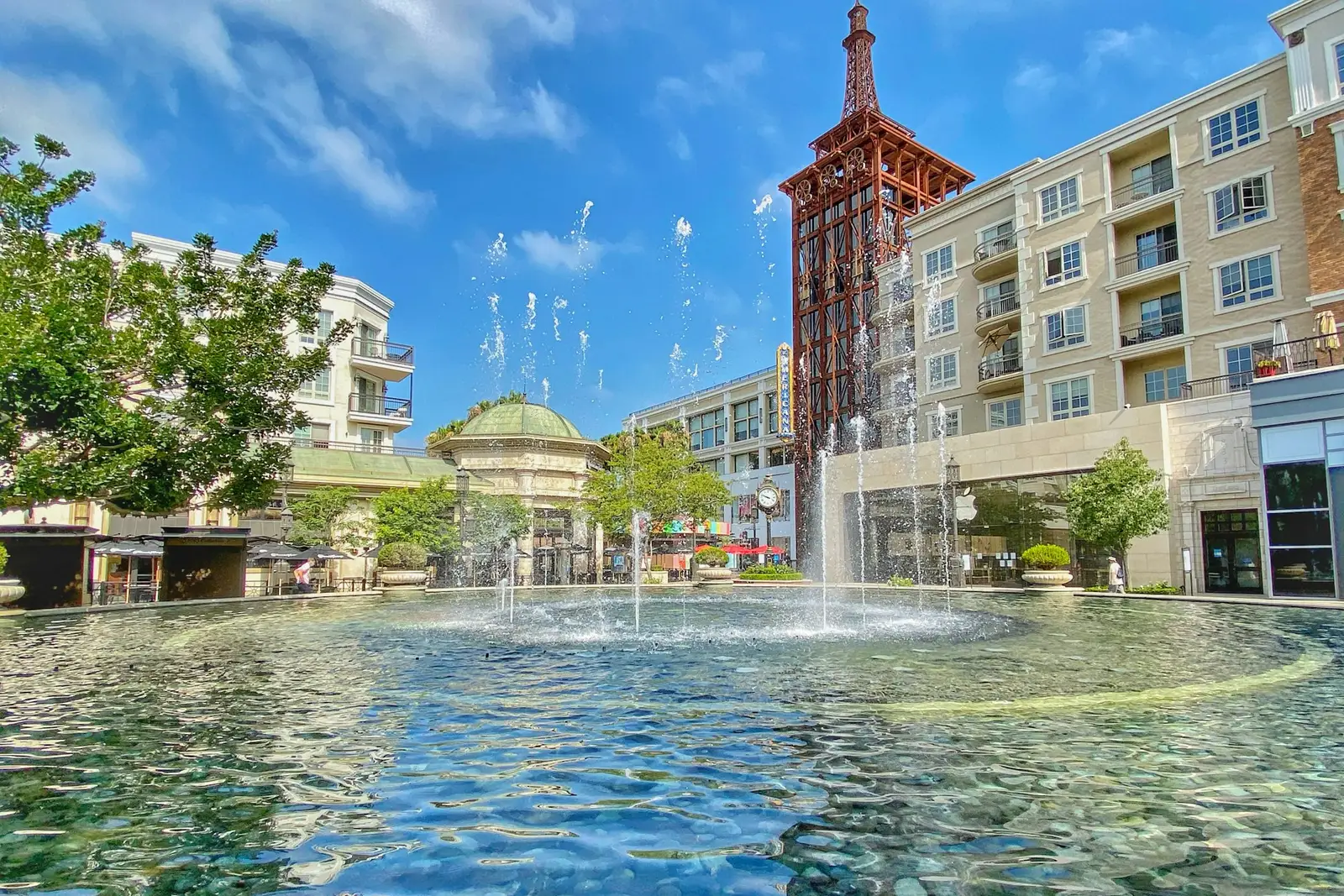
South Glendale and the blocks around downtown and the Americana at Brand hold dense apartment buildings, many from the 1960s through 1980s. Some have a central boiler or large commercial tank in a basement room or ground-floor utility closet serving every unit; others give each apartment its own small heater in a hall closet. Newer mid-rise buildings downtown increasingly rely on central systems or tankless units managed by the building.
Up the hills, Glenoaks Canyon, Chevy Chase Canyon, Verdugo Woodlands and Sparr Heights have postwar and later single-family homes with attached garages where the heater sits on a stand. Steep driveways and split-level floor plans can make hauling a 50-gallon tank in and out a two-person job.
Fire weather in the Verdugos
The Verdugo Mountains rise directly behind northern Glendale, and the San Gabriels loom beyond La Crescenta. Santa Ana winds and summer heat dry out that brush every year, and the 2009 Station Fire burned along the San Gabriel foothills just above neighboring communities. Hillside homes in Glendale's canyons sit in high fire hazard zones.
Brush fire risk touches a Glendale water heater in several practical ways. Every household should know where the gas shutoff at the meter and the shutoff at the heater are, and keep a wrench handy. Canyon homes that lost power during wind events and public safety outages will still have hot water from a standing-pilot gas tank, while electronic-ignition and tankless models stop when the power does. Debris flows after fires have also reached some foothill streets, and a heater flooded by mud needs inspection before it is relit.
Glendale is also near several active faults, including the Verdugo and Sierra Madre systems. California's double-strap rule applies to every tank here, and on hillside framing the straps need solid anchoring to studs.
The problems plumbers see most in Glendale
- Poorly drafting vents in 1920s houses where a furnace upgrade left the heater alone on an old flue.
- Sediment buildup that grows louder when the GWP blend shifts toward Colorado River water.
- Undersized closet heaters in older apartments that cannot keep up with modern showers.
- Leaking supply lines made of old galvanized pipe in prewar service porches.
- Failed electronic ignitions on newer tanks after power outages and surges.
- Missing seismic straps on heaters in detached bungalow garages.
Typical water heater prices in Glendale
| Job | Typical Glendale range | Notes |
|---|---|---|
| Thermocouple or pilot assembly | $160–$330 | |
| Gas control valve | $425–$650 | |
| Igniter or control board | $225–$450 | Newer gas tanks |
| Flush and sediment removal | $125–$280 | |
| Vent pipe correction | $250–$800 | Prewar homes often need work |
| 40–50 gallon gas tank replacement | $1,900–$3,800 | Ultra-low-NOx tank, permit, straps |
| Tankless installation | $3,900–$7,000 | Gas line and venting vary widely |
Glendale costs track the broader Los Angeles area. Bungalow service porches with tight doorways, steep canyon driveways and permit parking on crowded apartment blocks all add labor, while open garage installs in Sparr Heights or Montrose-adjacent streets stay closer to the low figures.
Glendale permits and licensed installers
Glendale homeowners pull water heater permits at the Building and Safety counter run by Community Development. The inspection covers the straps, gas flex and shutoff, flue sizing and clearances, combustion air in closets, garage elevation where required and the discharge pipe from the relief valve. Apartment owners replacing a central boiler or large tank face a more detailed plan review.
Hire a contractor whose CSLB record shows an active C-36 plumbing license, and confirm bonding and insurance on the same page. Glendale falls under SCAQMD, the regional air district, whose emissions rules limit which gas water heaters can be sold and installed. Title 24 efficiency requirements shape any project that changes the fuel, adds a heat pump circuit or relocates equipment, so a fuel switch takes a bit more paperwork than a straight swap.
GWP electric rates and heat pump heaters
Because Glendale Water & Power supplies electricity instead of Southern California Edison, any heat pump rebate or rate plan comes from GWP. The utility has offered efficiency incentives at times, and statewide programs have supported heat pump water heaters too. Natural gas throughout the city is delivered by SoCalGas.
A heat pump unit fits nicely in a Glendale garage, where temperatures stay moderate most of the year. Service-porch installs are trickier: the unit needs a certain volume of surrounding air, and a small enclosed porch may need louvered doors or ducting. Older bungalows often need panel upgrades before adding a dedicated 240-volt circuit.
Venting checks in older Glendale houses
Many prewar Glendale homes originally had a gravity furnace and gas water heater sharing a single flue. When a modern furnace replaces the old one, the water heater can end up on a flue that is too large for its small volume of exhaust. Cold flues draw poorly, especially on chilly mornings, and exhaust can spill into a service porch or closet. Signs include rust streaks below the draft hood, melted plastic on nearby fittings and a damp, sharp smell when the burner runs.
A technician can measure draft and carbon monoxide during any service call. The usual remedies are a properly sized metal liner, a new vent run, or switching to a power-vent or heat pump model that does not depend on the old chimney. A carbon monoxide alarm near any gas appliance is required in California homes and worth testing whenever the heater is serviced.
Repair or replace in Glendale
When a Glendale tank younger than about nine years loses a thermocouple, igniter or valve, fixing it is usually money well spent, provided the flue checks out. Once a heater reaches twelve years, rumbles loudly from accumulated sediment and sits on a questionable flue, replacing it with a properly vented unit fixes several problems at once. Owners of older apartment buildings often find that upgrading a single central heater beats patching many tired unit heaters.
Around Glendale
Burbank to the west runs Burbank Water and Power and its own building department. Pasadena to the east has Pasadena Water and Power and separate permit rules. La Cañada Flintridge gets water from local districts such as the Crescenta Valley Water District, while unincorporated La Crescenta-Montrose relies on Los Angeles County for permits. Eagle Rock and Atwater Village, just over the city line, are part of Los Angeles and are served by LADWP.
Water heater questions from Glendale
Who supplies water and electricity in Glendale?
Glendale Water & Power, the city's own utility, provides both. SoCalGas supplies natural gas.
Why did my Glendale heater start rumbling this year?
Sediment has likely built up, and the GWP blend can carry more minerals when imported Colorado River water makes up a bigger share. A flush often quiets it.
Will my standing-pilot heater work during a fire-season power shutoff?
Usually yes, since it needs no electricity. Electronic-ignition tanks and tankless units stop until power returns.
Which Glendale office handles water heater permits?
The Building and Safety Division within the Community Development Department issues them and sends an inspector.
My bungalow heater is on a service porch. Can it be replaced with a heat pump?
Often, but the unit needs enough surrounding air. Louvered doors or ducting may be required in a small porch.
How do I know if my old Glendale flue is drafting properly?
Look for rust streaks near the draft hood or a sharp exhaust smell. A plumber can measure draft and carbon monoxide during a visit.