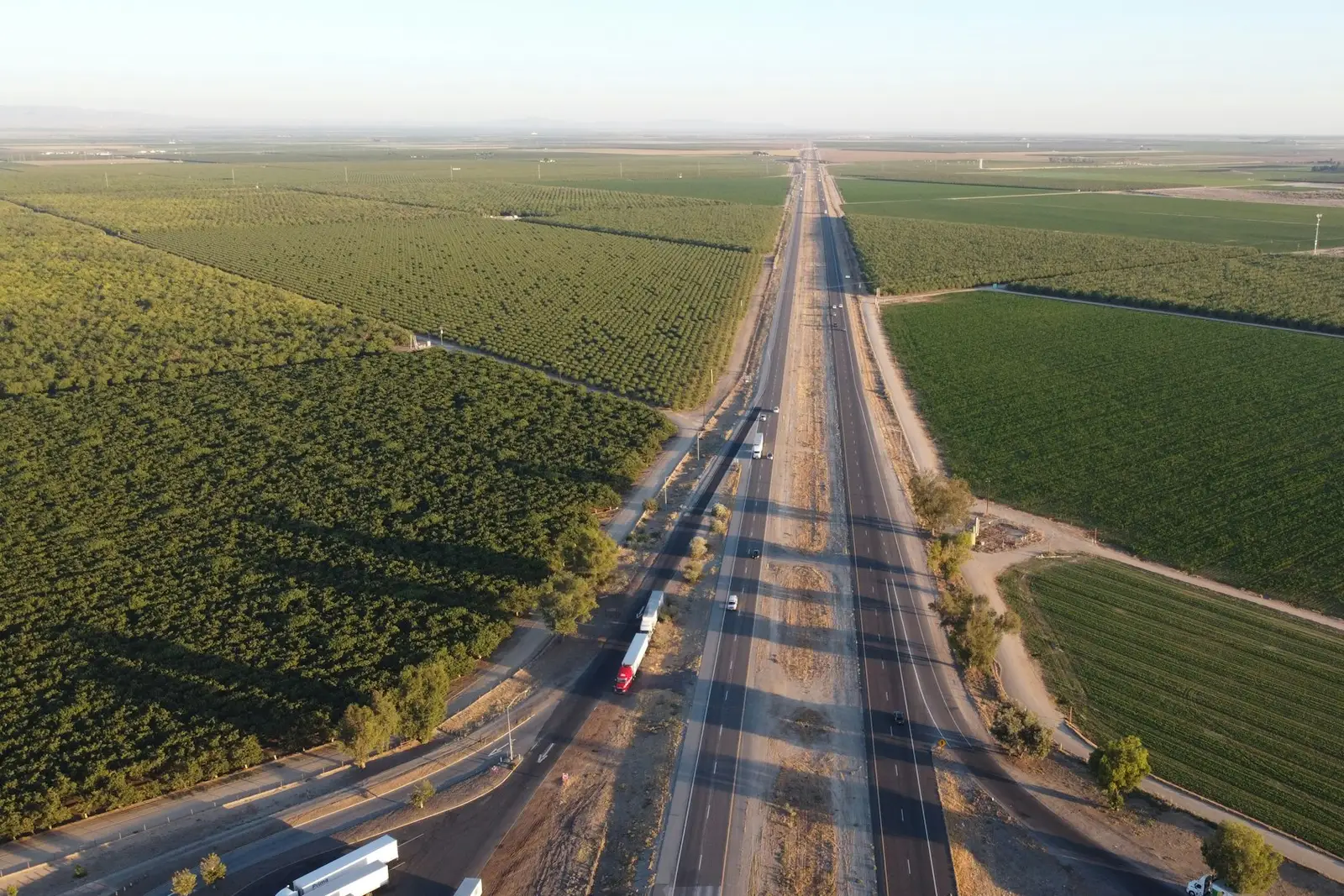
Two water systems and the Kern River
Bakersfield does not have one water utility. California Water Service runs a large Bakersfield district that covers much of the older city and many established neighborhoods, while the City of Bakersfield Water Resources Department serves a big share of the newer growth on the west and southwest sides, such as parts of Seven Oaks and Riverlakes. A few pockets are served by smaller agencies such as East Niles Community Services District, Vaughn Water Company or Oildale Mutual Water Company, so the first step on a scale question is checking your bill.
Both main providers mix Kern River water with groundwater. Cal Water treats river water at its Northeast Bakersfield treatment plant and pumps the rest from wells across the district, while the city relies heavily on wells recharged by Kern River flows spread in ponds along the riverbed. The Kern runs high in wet years and nearly dry in drought years, so the share of groundwater shifts from season to season. Some Kern County wells have needed treatment for farm-era contaminants such as 1,2,3-TCP and for naturally occurring arsenic.
For a water heater, the practical result is moderately hard to hard water with a fair load of calcium and magnesium. Tanks that are never drained build a crust on the bottom that makes gas models pop and rumble, and electric tanks lose their lower element to scale. Tankless units in Bakersfield need regular descaling, especially in neighborhoods leaning on groundwater during dry years.
Garage heaters in a hot valley
Most Bakersfield homes are single-story ranch and tract houses, and the water heater almost always stands in the attached garage, often on a raised platform to keep the burner off the floor where gasoline vapors collect. That is true of 1950s and 1960s homes in Westchester, Oleander-Sunset and La Cresta, of the 1970s and 1980s subdivisions in the southwest, and of newer houses in Seven Oaks, Rosedale and the Northwest.
Bakersfield summers regularly run well past 100°F, and a closed garage gets hotter still. Months of triple-digit garage air bake gas controls, plastic drain valves and rubber gaskets, and it makes a tank's incoming water warm enough that some owners turn the thermostat too low and end up with lukewarm showers in winter. The good news is that a hot garage is an ideal spot for a heat pump water heater, which pulls heat from the surrounding air and cools the garage a little as it works.
Winter brings the opposite problem in a milder form. Tule fog settles over the valley for days at a time and garage temperatures drop into the 40s, so a tank that kept up easily in August may run short on back-to-back showers in January. A larger tank or a different setting usually sorts that out once a plumber checks the burner and thermostat.
Valley air district rules for gas heaters
Bakersfield sits in the San Joaquin Valley Air Pollution Control District, which has some of the toughest smog and particulate problems in the nation. Its Rule 4902 caps nitrogen oxide output from home gas water heaters, which means any new gas tank going into a Bakersfield garage has to carry low-NOx certification. They look like ordinary tanks but use redesigned burners and often a flame arrestor screen at the bottom.
Those screens are a common service point in dusty Bakersfield garages. Lint, dirt and fine valley dust clog the intake, the burner runs rich or shuts down, and the heater acts like it has a bad thermocouple. Cleaning the intake and keeping the area around the heater swept prevents a lot of no-hot-water calls. When replacing, make sure the installer quotes a compliant low-NOx model rather than a unit bought out of state.
The problems plumbers see most in Bakersfield
- Scale on the tank bottom making gas heaters pop, especially in well-fed neighborhoods.
- Burned-out lower elements on electric tanks coated in mineral buildup.
- Clogged flame arrestors on low-NOx tanks from garage dust and dryer lint.
- Failed gas control valves after years of summer garage heat.
- Leaking relief valves when hard water deposits keep them from seating.
- Tankless units shutting down on scale when descaling has been skipped.
Typical water heater prices in Bakersfield
| Job | Typical Bakersfield range | Notes |
|---|---|---|
| Thermocouple or flame sensor | $140–$300 | |
| Flame arrestor cleaning | $125–$250 | Low-NOx tanks |
| Gas control valve | $375–$600 | |
| Electric element and thermostat | $175–$375 | Scale often to blame |
| Flush and descale | $110–$250 | Tankless descale at the higher end |
| 40–50 gallon gas tank replacement | $1,600–$3,200 | Low-NOx model, permit and straps |
| Heat pump water heater | $3,800–$6,500 | Garage installs are often simple |
Bakersfield labor costs are lower than in coastal California, and most installs are in open garages with easy access, which keeps many jobs toward the bottom of each range. Long drives to outlying areas like Tehachapi or Taft, a tight closet install or a required gas line upgrade raise the price.
Permits and licensing in Bakersfield
Inside city limits, water heater replacements need a permit from the City of Bakersfield Development Services Department's Building Division, which inspects the seismic straps, gas connection, venting, relief line and platform height. Unincorporated areas such as Oildale, Rosedale outside the city line, Lamont and much of the east side fall under Kern County, which issues its own building permits through the county planning and building offices.
Confirm the plumber's CSLB C-36 classification before work starts. Every tank must have two seismic straps, and Title 24 energy requirements apply to new equipment and to any switch from gas to electric. A Bakersfield buyer's inspector will flag a heater with no permit sticker or no straps, so it pays to have it done properly the first time.
PG&E power and SoCalGas
Bakersfield is a split-utility town: PG&E delivers electricity, while Southern California Gas Company supplies natural gas. That matters when comparing fuel costs. A gas tank on SoCalGas is still the most common setup, but rising summer electric demand and PG&E time-of-use rates mean a heat pump heater works best when its thermostat schedule favors the cheaper midday hours, which in Bakersfield often line up with plenty of solar on rooftops. Both utilities and the state have offered efficiency rebates at times, so ask the installer what currently applies.
Keeping a Bakersfield heater healthy
On Kern County water, draining a few gallons from the bottom of the tank every six months, and doing a full flush once a year, slows the crust that builds up from groundwater minerals. Tankless owners should plan on a vinegar or descaler flush at least once a year and more often in well-heavy areas. Because hard water also deposits on the relief valve seat, lift its lever once a year and watch that it reseats without dripping.
Garage housekeeping matters as much as the water. Keep the bottom of the heater free of dust, lint and stored boxes so the low-NOx intake can breathe, and never store gasoline, lawn mower fuel or pool chemicals beside it. If your garage gets so hot that the heater's plastic parts look brittle or discolored, an insulated garage door or a vent fan can help the next tank last longer.
Around Bakersfield
Oildale north of the river is unincorporated, served by Oildale Mutual Water and permitted through Kern County. Rosedale to the west mixes county and city addresses with their own water agencies. Shafter, Wasco and Delano each run their own city water systems and building departments, with similar hard well water. Arvin and Lamont to the southeast lean on groundwater, while Tehachapi up in the mountains gets cold winters and inlet water far colder than the valley floor.
Water heater questions from Bakersfield
Is my Bakersfield water from Cal Water or the city?
It depends on your address. Your water bill shows the provider; Cal Water covers much of the older city and the City of Bakersfield serves many newer west-side areas.
My low-NOx tank in a dusty Bakersfield garage keeps cutting out. Why?
Low-NOx tanks have a flame arrestor at the bottom that clogs with dust and lint. Cleaning it often restores normal operation.
Do Bakersfield gas water heaters have to be low-NOx?
Yes. Under the valley air district's rule, every new home gas tank installed around Bakersfield has to be a certified low-NOx unit.
How often should I descale a tankless heater in Bakersfield?
At least once a year on Kern County water, and more often if your area relies mainly on wells.
Who supplies gas and electric in Bakersfield?
PG&E provides electricity and SoCalGas provides natural gas.
Is a heat pump water heater a good fit for a Bakersfield garage?
Usually. Hot garages give heat pump units plenty of warm air to work with, and installation is simpler than in a closet.
Do I need a permit for a water heater in Oildale?
Yes. Oildale is unincorporated, so the permit comes from Kern County rather than the City of Bakersfield.