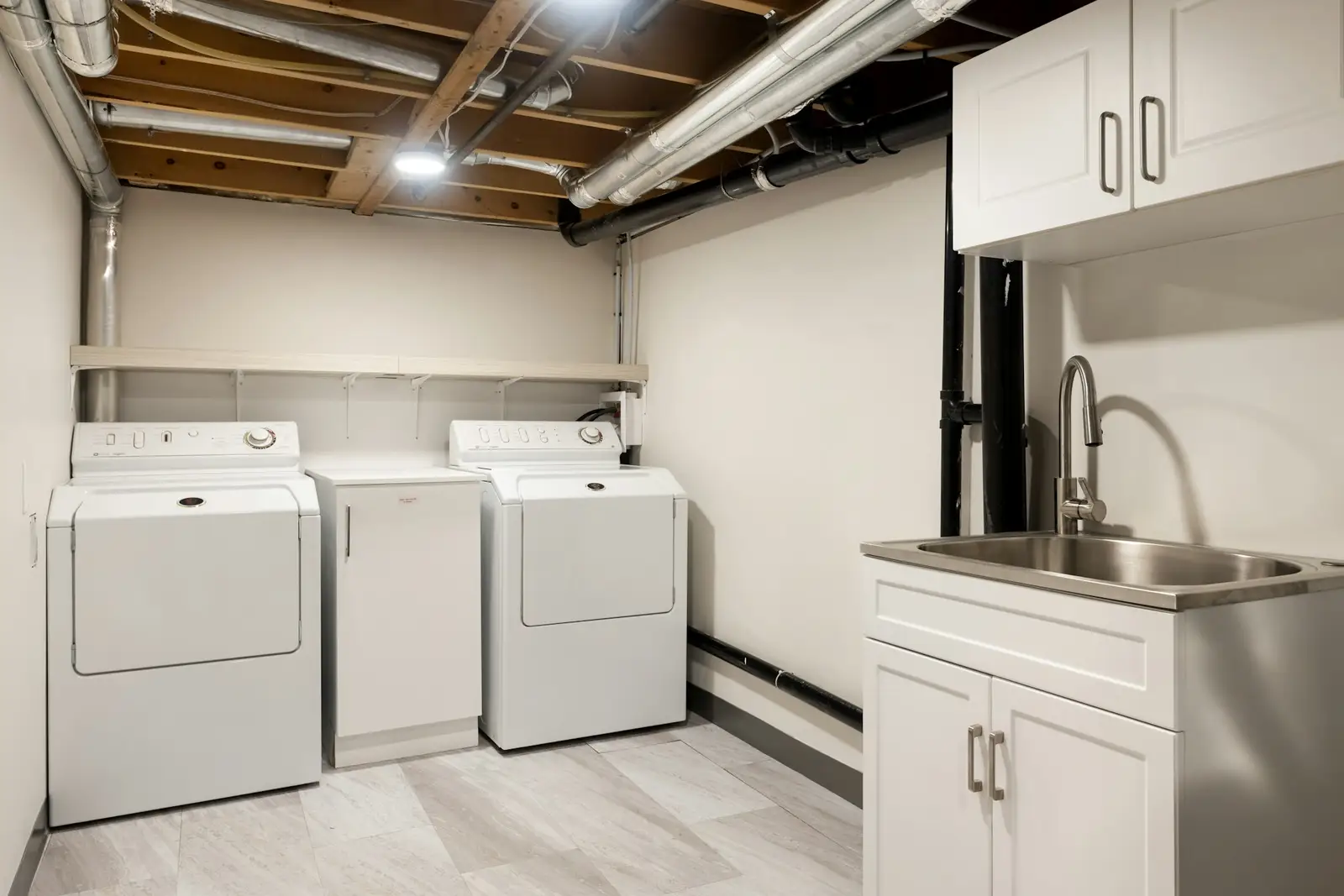
How Atlanta tanks reach the end
Chattahoochee water is so low in minerals that sediment rarely finishes off an Atlanta heater. The anode rod is what goes first. Once that sacrificial rod is consumed, the steel inside the tank starts to corrode, and the first sign is often a slow drip from the bottom seam or a pinhole near a fitting. Many tanks here that never had an anode changed are leaking by year eight or nine.
A young tank with a failed thermocouple or igniter is worth fixing. Replacement makes more sense when you see:
- Water seeping from the jacket or bottom seam, which cannot be patched.
- Rust-colored first draw from the hot side, a sign the lining is breached.
- An anode that is down to bare wire on a tank already past eight years.
- Corroded gas connectors and tank fittings in a damp half-basement or crawlspace.
- Backdrafting or soot at the draft hood that a new vent alone will not solve on an older tank.
See how long water heaters last for typical lifespans by type.
Installed prices in Atlanta
| New heater | Installed range in Atlanta | Notes |
|---|---|---|
| 40 gallon gas tank | $1,500–$2,900 | Garage or full basement |
| 50 gallon gas tank | $1,650–$3,800 | Crawlspace and half-basement jobs at the top |
| 50 gallon electric tank | $1,350–$2,800 | Common in condos and townhomes |
| 75 gallon gas tank | $2,800–$5,000 | Larger Buckhead and northside homes |
| Power-vent gas tank | $2,900–$5,200 | Solves many orphaned-chimney problems |
| Tankless gas, whole house | $3,400–$6,500 | Gas line upsizing often needed |
| Heat pump water heater | $3,200–$5,800 | Needs room and air, so garages fit best |
| Permits, haul-away, expansion tank, pan | $175–$750 | Gas permit added when piping changes |
In Atlanta, access sets the price more than the heater does. Beltline townhome garages make for fast swaps. Pulling a tank out from under a Kirkwood bungalow through a small crawlspace door, or booking a freight elevator and building approval in a Midtown tower, adds hours.
Sizing for Chattahoochee winter water
Chattahoochee water reaches Atlanta homes near 50°F in January, so winter asks a 120°F heater for about a 70 degree lift. That is moderate by national standards, but it is enough to expose an undersized tank in a renovated intown house that has gone from one bathroom to three.
Check the first-hour rating. One or two people in a condo usually get by with a 40 or 50 gallon electric tank. A family of four in a renovated Virginia-Highland or Ormewood Park house generally needs 50 gallons of gas-fired storage rated in the 80s for the first hour, or a high-input model if the old heater was a 40. Large northside homes with soaking tubs often need 75 gallons or two heaters.
Working against that 70 degree lift, a 199,000 BTU tankless burner fed by Atlanta Gas Light's lines makes roughly five to five and a half gallons a minute, about two showers at once. The soft water is a real plus here, since tankless heat exchangers scale slowly on Chattahoochee water.
Choosing a heater for Atlanta homes
Gas reaches most Atlanta neighborhoods through Atlanta Gas Light's pipes, with the gas itself sold by a marketer you choose, and Georgia Power supplies electricity across the city. A new or larger gas service for a tankless unit involves Atlanta Gas Light, which owns the meter.
Gas tanks are the most common replacement in houses. Tankless is especially attractive here because soft water spares the heat exchanger, but older bungalows often need a new gas line and a sidewall vent, and a sloped lot can limit where that vent can exit. Power-vent tanks are a good middle path when the old chimney no longer drafts once the furnace has moved to plastic venting.
Heat pump water heaters fit garages and roomy basements, but most condo closets are too small to give them enough air. Georgia Power has run efficiency programs covering water heating at times, so ask about current offers when you get a quote.
Permits and code items inside the city
Within Atlanta city limits, the Office of Buildings issues a plumbing permit for a water heater replacement, with a gas permit added when gas piping is altered. Decatur, Sandy Springs, Brookhaven and the surrounding counties issue their own. Georgia expects a master plumber to stand behind the permit; the Secretary of State's license search shows whether that credential is current.
- A vent that fits the replacement, whether that means lining an oversized bungalow chimney, running new metal pipe, or sealed piping for a power-vent or condensing unit.
- Gas hookup redone with a new flex line, drip leg and valve, swapping out fittings that crawlspace damp has rusted.
- T&P discharge piped full size to an approved termination outside or to a safe drain.
- An expansion tank on any Atlanta service with a meter check valve or a PRV in the basement.
- A drain pan under heaters in condo closets, attics or over finished floors, piped to a safe outlet.
- Gas units in garages lifted 18 inches, unless the inspector accepts an FVIR-listed heater set on the floor.
- Clearance and access in crawlspaces, with the unit set on a solid base above any standing water.
- Removal of the old tank, which in crawlspace jobs can take as long as the install.
How long an Atlanta replacement takes
Garage and full-basement swaps across Atlanta tend to finish in two or three hours, and a common 40 or 50 gallon tank is usually in by evening if you call early. Under-house jobs in Kirkwood or Grant Park can stretch to four to six hours, more when a tank that went in before an addition must be sawn into pieces to leave. Condo replacements depend on building rules, insurance certificates and elevator times, which can push the work to the next day.
Old intown houses add variables: brick chimneys that need lining, gas lines that have been patched over decades and paths to the heater that later additions blocked. That is why plenty of intown owners treat a failed crawlspace tank as the moment to bring the heater up into living space, such as a hall closet or a porch room; the one-time cost buys easier service and a drier home for the next tank.
Replacement near Atlanta
We also replace water heaters in Decatur, Sandy Springs, Brookhaven, East Point and Smyrna. Each city runs its own permits, and water sources vary, from DeKalb County's system to Cobb's water authority. Anode checks, venting fixes and repairs are covered on our water heater help in Atlanta page, and /services/water-heater-replacement/ describes the replacement visit itself.
Questions people ask
What should I budget for a new water heater in Atlanta?
About $1,500 to $3,800 covers most installed 40 or 50 gallon gas tanks, with crawlspace jobs costing the most. Tankless installs run roughly $3,400 to $6,500.
Does an Atlanta water heater swap need a city permit?
Yes. Inside city limits the Office of Buildings handles it, adding a gas permit whenever the fuel piping is modified.
Is tankless a good fit for Atlanta's soft water?
Yes. Soft Chattahoochee water scales tankless units slowly, though older homes may need a bigger gas line and new venting.
Can my crawlspace water heater be moved during replacement?
Often. Bringing it up to a closet, porch room or garage adds cost once, then pays back on every service call and spares the new tank from crawlspace moisture.
Why did my Atlanta water heater leak after only eight years?
Soft water consumes the anode rod quickly. With the rod spent, the steel shell starts rusting from within. Checking the anode on the new heater helps it last longer.
Can a condo water heater in Midtown be replaced the same day?
Sometimes. Many buildings require advance notice, an insurance certificate and elevator booking, which can push the swap to the next day.