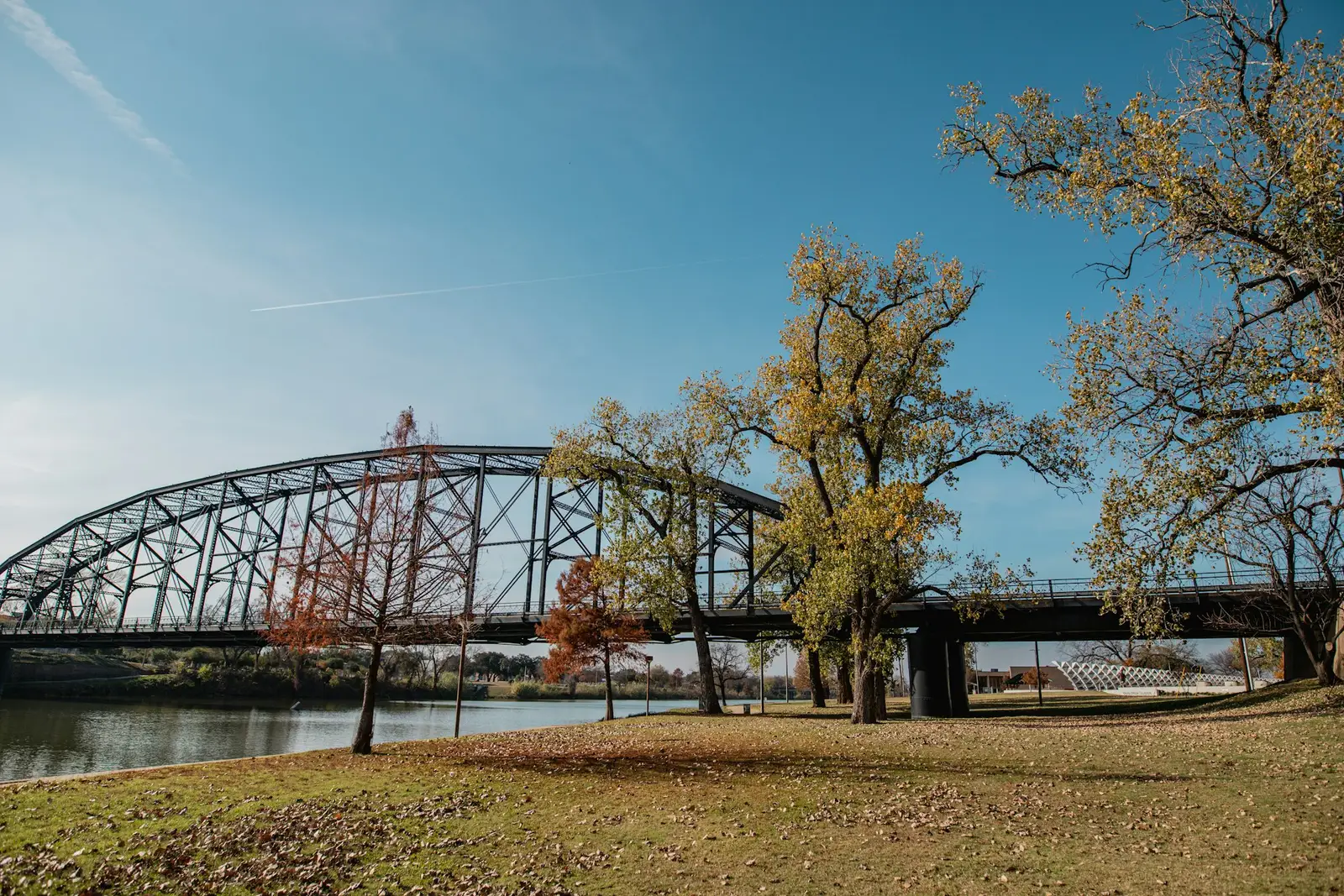
Lake Waco and the city's water
Waco Water Utilities draws its supply from Lake Waco, the Corps of Engineers reservoir on the Bosque River just west of the city. Water is treated at the Mount Carmel and Riverside plants before it is pumped to homes from North Waco to the far south side. In the early 2000s the Corps raised the lake's conservation pool by about seven feet, adding storage that helped the city ride out later droughts more comfortably than many Central Texas towns.
The lake's main tributary, the North Bosque, drains farm and dairy country upstream, and nutrients from that watershed feed algae blooms in warm months. Those blooms produce compounds that give tap water an earthy or musty taste, a long-running complaint in Waco. The city pursued the dairy runoff issue and invested in treatment upgrades aimed at the problem. The taste does not affect a water heater, but sometimes a heated tank makes it more noticeable at a hot tap, which leads people to think the heater is at fault.
Hardness here is moderate. A Waco tank builds a light sediment layer year by year, and a tankless unit should be descaled about annually. A rotten-egg smell from hot water only, as opposed to an earthy taste from both taps, usually comes from a reaction at the anode rod and can be fixed by swapping the rod type.
Old houses, ranch homes and where the heater sits
Neighborhoods like Castle Heights, Sanger Heights and the blocks around Cameron Park hold some of Waco's oldest homes, many built before 1940 on pier and beam foundations. Water heaters in these houses often stand in a back porch closet, a converted pantry or a small outbuilding, and some sit in the crawlspace area. Old gas lines, tight closets and flues that were added long after the house was built are common finds.
Postwar and later neighborhoods such as the streets off Lake Shore Drive, Brook Oaks and the subdivisions along Bosque Boulevard switch to brick ranch homes on slabs with garage or utility closet heaters. Farther out, newer two-story homes in the Hewitt and Woodway areas and around the Highway 84 corridor tend to tuck the tank above the second floor, where an overflowing pan shows up as a stain on a bedroom ceiling.
Baylor rentals and student housing
Baylor University's campus anchors a dense ring of rental housing, from older single-family homes divided into units to newer duplexes and small apartment buildings along Speight Avenue and the streets east and south of campus. Rental heaters work hard: four or five students showering on similar schedules can drain a 40-gallon tank before breakfast is done, and many of those tanks were chosen for low upfront cost rather than capacity.
Landlords in the Baylor area call most often in August, when tenants move in and run every tap at once, and in January after the winter break. Upgrading to a larger tank, or adding a second heater for a duplex, solves the most common complaint. Property managers should also ask the plumber to check relief valve discharge lines and pans, since a slow drip in a rental can go unreported for months.
Waco weather and the heater
Waco summers bring long stretches above 100°F, and attic installs bake for weeks at a time. Plastic pans warp, gas control electronics fail early, and wiring insulation on electric units grows brittle. Winters are usually mild, but the February 2021 storm dropped the city to single digits, with outages across Central Texas. Pipes in exterior walls and attics froze in many Waco homes, and older pier and beam houses with exposed lines underneath took the worst of it.
Hard spring storms and occasional flash floods along the Brazos and Bosque can also flood low garages. Once Brazos or Bosque water has reached a burner or element, expect the plumber to recommend a new unit instead of a relight.
The problems plumbers see most in Waco
- Undersized tanks in Baylor rentals that run cold every morning once a houseful of students moves in.
- Smelly hot water from anode reactions, often confused with Lake Waco's seasonal earthy taste.
- Old gas lines and makeshift flues in pre-war houses around Castle Heights and Sanger Heights.
- Attic pan leaks in newer two-story homes near Woodway and Hewitt.
- Freeze damage to exposed supply lines under pier and beam homes.
- Lake Waco mineral beds left in rental tanks, since no tenant thinks the drain valve is their job.
Typical water heater prices in Waco
| Job | Typical Waco range | Notes |
|---|---|---|
| Thermocouple or igniter | $140–$275 | |
| Gas control valve | $350–$600 | |
| Element and thermostat | $150–$300 | Electric tanks |
| Anode swap for odor | $150–$300 | Aluminum-zinc or powered rod |
| Flush or tankless descale | $110–$240 | |
| 40–50 gallon tank replacement | $1,400–$2,900 | Permit and haul-away |
| Tankless installation | $3,100–$5,900 | Gas line and venting drive the price |
Central Texas labor costs keep Waco below Dallas and Austin prices. Crawlspace work in older homes and attic swaps in the summer heat tend to push quotes upward, while straightforward garage replacements stay near the low end.
Permits and licensing in Waco
Swapping a heater inside Waco city limits calls for a permit from Inspection Services on the city side. Its inspector looks at fuel piping, flue, T&P line and drip pan, and in older homes may flag a flue or gas line that needs updating. Suburbs such as Woodway, Hewitt and Robinson have their own permit offices.
Plumbers working in Waco need a Texas license, which the state issues rather than the city. TDLR is taking over that program from the former plumbing examiners board, and its license lookup is the quickest way for a landlord or homeowner to confirm the person quoting the job is qualified.
Gas, electric and fuel choices
Atmos Energy provides natural gas in Waco, and most older homes and many newer ones heat water with gas. Oncor delivers electricity, with residents choosing a retail provider. In student rentals, electric tanks are common because they are cheaper to install and need no venting, though they recover slowly when several tenants shower back to back.
Heat pump water heaters suit Waco garages, which stay warm much of the year. Rebates through Oncor have come and gone over the years, and qualifying heat pump units have also earned a federal credit at times. For a rental, the higher upfront cost has to be weighed against which party pays the electric bill.
Repair or replace in Waco
A Waco heater younger than eight years with a bad thermocouple, igniter, element or thermostat should be repaired. Once a tank is past ten and starts leaking at the base, or sediment has built up enough that it rumbles constantly, replacement makes more sense. Landlords managing several properties often replace a whole set at once to standardize parts and service.
Around Waco
Woodway and Hewitt to the southwest are growing suburbs with their own city permits. Robinson lies south, and Bellmead and Lacy Lakeview sit to the northeast along Interstate 35. China Spring and McGregor are farther out, where many homes rely on water supply corporations or wells. Each has its own permit rules.
Water heater questions from Waco
Why does Waco tap water sometimes taste earthy?
Algae in Lake Waco produce compounds that cause earthy or musty tastes, especially in warm months. It is not a water heater problem.
My hot water smells like rotten eggs. Is it the lake?
Probably not. If only the hot side smells, the cause is usually the anode rod reacting in the tank, and an anode swap fixes it.
Why do Baylor rental houses run out of hot water?
Many have small tanks shared by several tenants. A larger tank, a second heater or a tankless unit usually solves it.
Do Waco water heater replacements need a permit?
Yes. The city's Inspection Services office issues permits and inspects the work.
Who provides gas and electricity in Waco?
Atmos Energy supplies gas, and Oncor delivers electricity sold by retail providers.
Did the 2021 freeze damage water heaters in Waco?
Some, mostly through burst supply lines and forced relief valves. Pier and beam homes with exposed pipes were hit hardest.
Is Lake Waco water hard?
It is moderately hard. A yearly drain keeps sediment in check.