Bull Run water
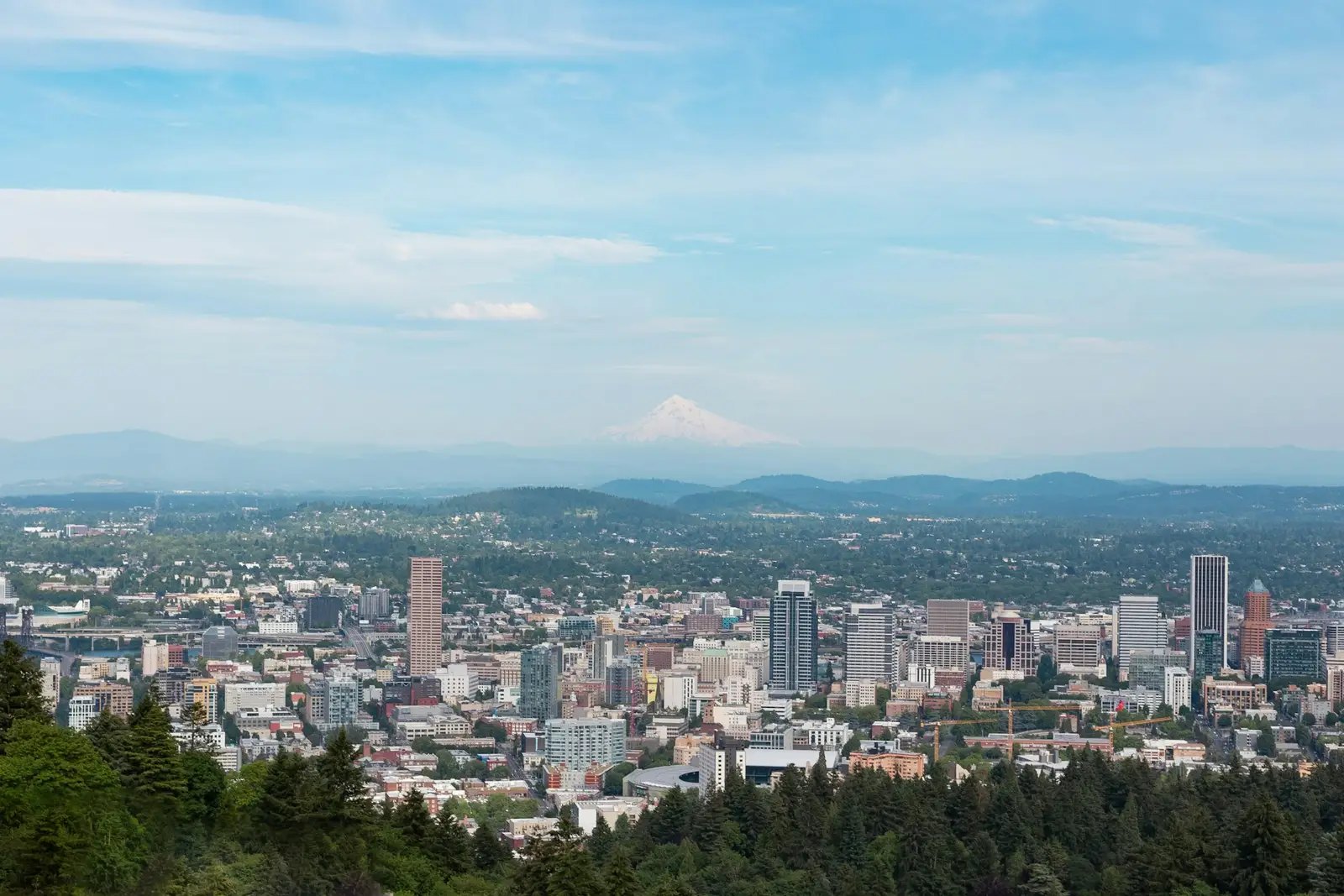
The Portland Water Bureau draws most of its water from the Bull Run Watershed, a protected forest on the western slopes of Mount Hood fed largely by rain. It is among the softest municipal water anywhere in the country, with almost no dissolved calcium. When Bull Run is turbid after big storms, or in late summer, the bureau can switch to its groundwater wellfield along the Columbia River, which is somewhat harder. A new filtration plant for the Bull Run supply has been under construction to protect against turbidity and pathogens.
For water heaters, very soft water means you will rarely see the thick sediment layers or scaled elements common in harder-water cities, and tankless units can go years between descales. The flip side is that soft water is more aggressive toward metal, so the anode rod wears down faster. Checking it around year four or five is the single most useful bit of maintenance for a Portland tank.
Bungalows, basements and ADUs
Portland's classic housing is the early twentieth century bungalow and old Portland foursquare in neighborhoods like Laurelhurst, Sellwood, Alberta, Hawthorne, Irvington and St. Johns. Most have basements, often damp and partly finished, with the water heater near the furnace and a chimney running up through the house.
Mid-century ranches across East Portland and the westside suburbs typically keep heaters in a garage or utility room. Portland has also seen a wave of accessory dwelling units and infill townhouses, which often use small electric tanks, heat pump units or tankless heaters in tight closets.
Earthquake straps and ice storms
Oregon requires water heaters to be seismically restrained, and the Pacific Northwest faces a long-term risk from the Cascadia Subduction Zone. Two straps anchored into studs keep a tank from tipping and tearing its gas or water line. Many older Portland basements have heaters with missing or loose straps, and inspectors check them on every replacement.
The February 2021 and January 2024 ice storms knocked out power across the region for days. Homes lost heat, pipes in crawlspaces and exterior walls froze, and tankless units and heat pump heaters stopped without power. Standing-pilot gas tanks kept working. If your heater depends on electricity, it is worth knowing how to protect it, and the pipes around it, during a long outage.
The problems plumbers see most in Portland
- Tank corrosion after the anode is spent on very soft Bull Run water.
- Rusted connectors and fittings in damp basements.
- Missing or loose seismic straps on older basement heaters.
- Venting problems where a gas heater is left alone in an old chimney.
- Freeze damage to lines near heaters after ice storms.
- Cramped ADU installs where access drives the cost of any repair.
Typical water heater prices in Portland
| Job | Typical Portland range | Notes |
|---|---|---|
| Thermocouple or pilot repair | $175–$350 | |
| Anode rod replacement | $175–$400 | The key maintenance on Bull Run water |
| Seismic strap kit installed | $100–$250 | |
| 40–50 gallon gas tank replacement | $1,800–$3,500 | Permit and straps included in most quotes |
| Heat pump water heater | $3,200–$6,200 | Before incentives |
| Tankless installation | $3,500–$6,500 |
Portland prices sit above the national average. Old basement stairways, chimney work and tight infill installs push costs toward the top of each range.
Permits and licensing in Portland
Oregon licenses plumbers through the Building Codes Division, and contractors must also be licensed with the Construction Contractors Board; both have online lookups. In Portland, water heater replacement requires a permit from the city's permitting and development office, and the inspection covers seismic straps, connections, venting and the relief valve. Beaverton, Gresham, Hillsboro and other suburbs run their own building departments.
Before work starts, ask for the plumber's Oregon license and CCB number and confirm the permit is included.
Heat pump water heaters in Portland
Portland's mild climate and the region's push toward efficient electric equipment make heat pump water heaters a strong option. Basements that stay in the 50s and 60s give a heat pump unit the air it needs, and its cool, dry exhaust helps with basement dampness. The Energy Trust of Oregon has offered incentives for heat pump water heaters, and federal tax credits apply to qualifying units.
Before choosing one, check that the space has enough height and air around the unit, a place for the condensate to drain, and room in the electrical panel for a 240-volt circuit, or consider a 120-volt model.
Repair or replace in Portland
On very soft water, tanks tend to fail by corrosion rather than scale, and the failure can be sudden. A tank under eight years old with a recently checked anode is worth repairing for nearly any single part. Past ten or twelve years, especially in a finished basement or an ADU above living space, a planned replacement avoids the cost of water damage. Replacement is also the moment to add or fix seismic straps and consider a heat pump unit.
Damp basements and venting
Portland's wet season keeps many basements damp for months, and that slowly corrodes gas connectors, fittings and the base of tank jackets. A dehumidifier helps, and so does leaving space around the heater so a slow leak is visible. Rain can also find its way down an old chimney or vent cap and drip onto a gas burner, causing pilot outages and rust in the combustion chamber.
When an older home's furnace is upgraded to a high-efficiency model that vents through the wall, the gas water heater is often left alone in a chimney built for two appliances. That oversized flue may not draft well on cold, damp days. A draft test during any service, and a chimney liner or power-vent heater if needed, keep exhaust out of the basement.
Around Portland
Beaverton and Hillsboro to the west get water from other sources, including the Tualatin Valley and Joint Water Commission systems, and have newer suburban homes with garage heaters. Gresham to the east relies partly on groundwater. Across the Columbia, Vancouver in Washington has its own utility, permits and Washington licensing rules.
Water heater questions from Portland
Is Portland water hard?
No. Bull Run water is exceptionally soft. Scale is rarely a problem, but anode rods wear faster.
Do water heaters need earthquake straps in Portland?
Yes. Oregon requires seismic restraint, typically two straps anchored into wall studs.
Do I need a permit to replace a water heater in Portland?
Yes. The city requires a plumbing permit and inspection, including the seismic straps.
What happens to my heat pump water heater in a Portland ice storm?
It stops until power returns, as do tankless and power-vent heaters. Older standing-pilot gas tanks keep heating without electricity.
Are heat pump water heaters a good choice in Portland?
Often, yes. Mild basements suit them, and incentives have been available through the Energy Trust of Oregon.
How often should I flush my water heater in Portland?
On Bull Run water, a flush every two or three years is plenty; the anode deserves a look sooner, by the fifth year at the latest.
Why does my Portland water heater pilot go out in the rainy season?
Rain may be getting down the chimney or vent and dripping onto the burner, or damp drafts are reaching the pilot. Have the vent cap and flue checked.