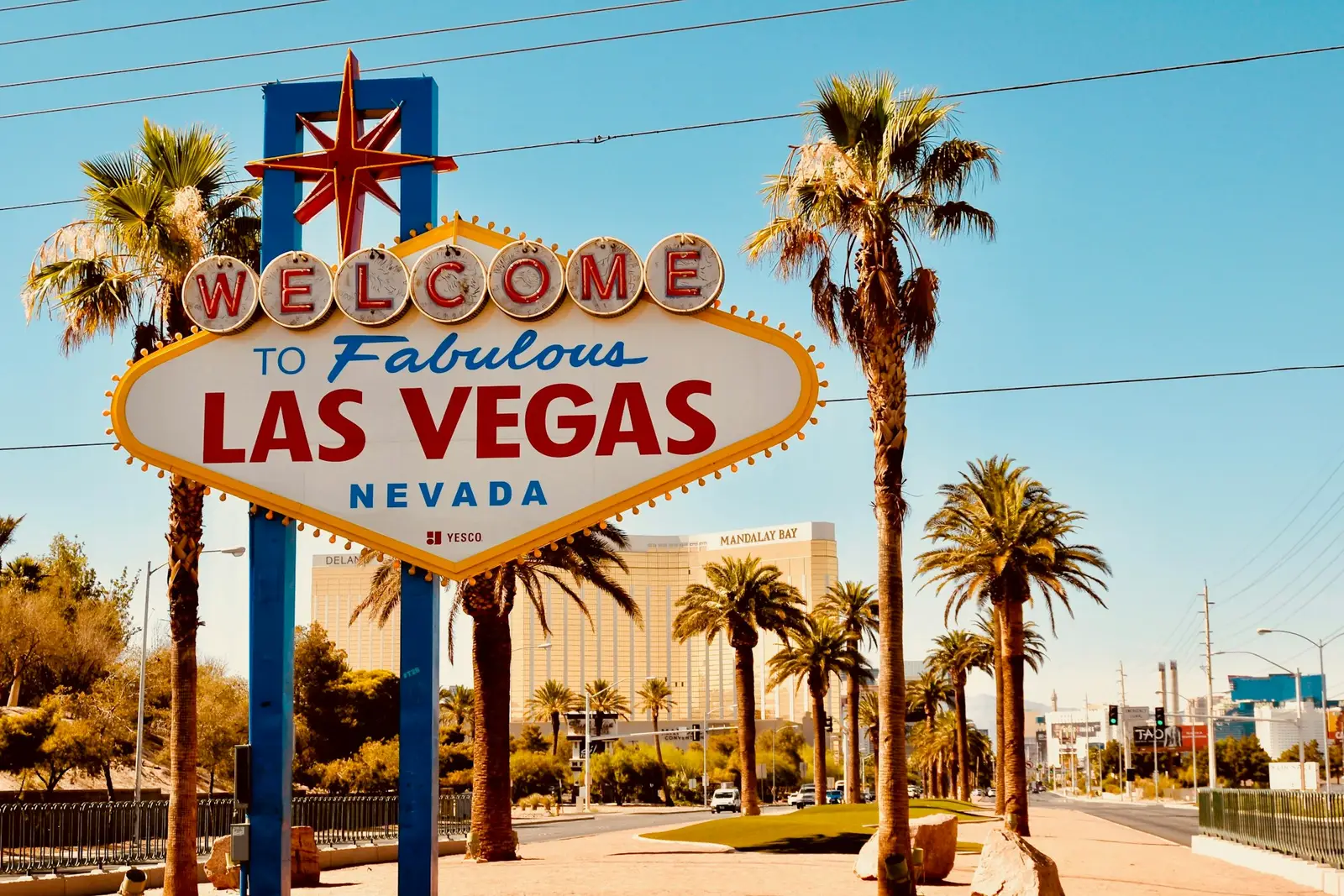
Lake Mead water and scale
The Southern Nevada Water Authority draws roughly 90 percent of the valley's water from Lake Mead, the reservoir behind Hoover Dam, and the Las Vegas Valley Water District delivers it to most of the city and surrounding unincorporated areas. Colorado River water carries a heavy load of dissolved calcium, magnesium and other minerals, and by the time it reaches Las Vegas taps it is very hard, often in the mid to high teens in grains per gallon.
That has a direct effect on water heaters. Tanks build a thick sediment layer within a few years, and the gas burner or electric element has to push heat through it. Gas tanks pop and rumble, electric elements crust over and fail, drain valves clog solid, and tankless heat exchangers scale up fast enough that many need descaling twice a year. Showerheads and faucets crusted white are a reliable preview of what is happening inside the tank.
Water softeners are very common in Las Vegas for these reasons, and they make a real difference. A softened home sees far less scale in the heater. Because softened water tends to wear anode rods faster, the anode should be checked every three or four years.
Hot garages and summer water
The typical Las Vegas home is a single-story or two-story stucco house on a slab, built from the 1970s through the 2000s, with the water heater in the attached garage. Summer garage temperatures can pass 110°F, which ages gas valves, plastic parts, rubber gaskets and electronics, and desert dust finds its way into burner air intakes.
In July and August, water arriving from the street can be in the mid 80s or warmer, so the heater barely works in summer. In winter it drops into the upper 50s, still mild by national standards. Running out of hot water in Las Vegas therefore almost never means the tank is too small for the climate. It nearly always means a failed element, a broken dip tube or a tank half full of sediment.
The problems plumbers see most in Las Vegas
- Sediment-packed tanks that rumble, pop and run short.
- Burned-out electric elements buried in scale, especially the lower one.
- Drain valves clogged solid with mineral grit.
- Tankless units locking out on scale codes between descales.
- Relief valves crusted with minerals that stick or drip.
- Tanks failing early, sometimes around year six to eight, from scale-stressed bottoms.
Maintenance that pays off in Las Vegas
| Task | Las Vegas interval | Why |
|---|---|---|
| Flush the tank | Every 6 months | Very hard water builds sediment fast |
| Descale tankless | Every 6 months | Prevents lockouts and heat exchanger damage |
| Check the anode rod | Every 3–4 years | Sooner with a softener |
| Test the relief valve | Yearly | Mineral crust can seize it |
| Clean the burner air intake | Yearly | Desert dust chokes the flame |
Starting early matters. A tank flushed every six months from new rarely builds a crust it cannot shed. A tank first flushed at year seven may have a layer too thick to remove, and stirring it can clog the drain valve or reveal a weak spot in the tank bottom.
Typical water heater prices in Las Vegas
| Job | Typical Las Vegas range | Notes |
|---|---|---|
| Flush and sediment clean-out | $100–$275 | Heavily packed tanks at the top |
| Electric element replacement | $150–$375 | Often both elements |
| Thermocouple or pilot repair | $150–$300 | |
| Tankless descale | $150–$300 | |
| 40–50 gallon gas tank replacement | $1,400–$3,000 | Permit and expansion tank often included |
| Tankless installation | $3,000–$6,000 |
Las Vegas prices sit near the national average. Tanks too scaled to drain and two-story homes with heaters in upstairs closets push jobs higher.
Permits and licensing in the Las Vegas Valley
Nevada licenses contractors through the Nevada State Contractors Board, which keeps an online license search. Which office issues a water heater permit depends on where you live: the City of Las Vegas Building and Safety department covers the city itself, while much of the valley, including Paradise, Spring Valley, Enterprise, Summerlin South and the Strip, is unincorporated Clark County and handled by the Clark County Department of Building and Fire Prevention. Henderson and North Las Vegas run their own departments.
Ask for the contractor's Nevada license number and confirm the right permit is included before agreeing to a replacement.
Choosing a replacement in Las Vegas
In water this hard, maintenance decides how long any heater lasts. A good gas tank with a twice-yearly flush is forgiving and affordable. Tankless units are popular in newer homes and save space and energy, but without a softener they need descaling every six months; skipping it leads to lockouts within a couple of years. If you do not have a softener and do not want the upkeep, a tank is the safer choice.
Heat pump water heaters work well in Las Vegas garages, which supply plenty of warm air most of the year, and they cool the garage slightly as a bonus. They still need regular flushing like any tank. NV Energy has offered efficiency programs at times, so check before buying.
Recirculating pumps and upstairs bathrooms
Many Las Vegas homes, especially two-story houses and larger homes in Summerlin, Henderson and the Southwest, have hot water recirculating pumps so hot water reaches distant bathrooms quickly. In very hard water, those pumps and their check valves scale up too, and a failing pump can make the heater cycle more and wear faster. If hot water suddenly takes much longer to arrive upstairs, the pump or its timer is the first thing to check.
Around the valley
Henderson has its own water and building departments and many newer master-planned communities such as Green Valley and Inspirada. North Las Vegas also runs its own utility and permit office. Summerlin on the west side has larger homes, often with recirculating pumps and two heaters. Older central neighborhoods near downtown and along Charleston Boulevard have mid-century homes where heaters may sit in utility closets rather than garages.
Water heater questions from Las Vegas
How hard is Las Vegas water?
Very hard, often 15 to 18 grains per gallon. It comes mostly from Lake Mead and the Colorado River.
How often should I flush my water heater in Las Vegas?
About every six months. Tankless units should be descaled on the same schedule unless you have a softener.
Why do water heaters fail so quickly in Las Vegas?
Very hard water fills tanks with scale and overheats tank bottoms and elements, and hot garages stress valves and controls.
Who issues water heater permits in Las Vegas?
It depends on where you live: the City of Las Vegas, Clark County for unincorporated areas, or Henderson and North Las Vegas for those cities.
Is a water softener worth it for my water heater in Las Vegas?
For most homes, yes. It sharply reduces scale. With a softener, have the anode checked every three years or so.
Why is my cold water warm in the summer?
Pipes run through hot ground and walls in summer, so the cold supply can arrive at 85°F or more.