Mississippi River water from the Sewerage and Water Board
The Sewerage and Water Board of New Orleans (SWBNO) draws every drop of the city's drinking water from the Mississippi. The Carrollton Water Purification Plant near the river bend Uptown serves the East Bank, and the smaller Algiers plant serves the neighborhoods across the river on the West Bank. Treatment has to settle out an enormous silt load before filtering and disinfecting, and the plant's power system, partly run on its own aging turbines, is famous locally for its vulnerabilities.
The finished water is moderately hard, and its character moves with the river. Spring high water from snowmelt and rain upstream brings different chemistry than a low, slow river in a dry autumn, when salt water can even creep upriver from the Gulf and force SWBNO to monitor intakes closely. Either way, tanks in New Orleans gradually gather a mix of mineral scale and fine grit on the bottom.
Unlike Florida's warm groundwater, river water gets genuinely cold in winter. January supply can approach the 40s, enough to make a 40-gallon tank feel small for a household that showers back to back, while August water barely needs heating at all.
Boil-water advisories and what they do to heaters
Pressure drops are a recurring fact of life in New Orleans. When a main breaks or the Carrollton plant loses power, system pressure falls and SWBNO issues a precautionary boil-water advisory for the East Bank, the West Bank or specific neighborhoods. Those episodes have happened many times over the years.
Pressure loss and the surge when service returns can kick loose sediment in the mains, and some of that grit ends up in water heaters. After an advisory lifts, it is smart to flush cold taps first, then run hot water until it clears. Note that a water heater is not a sterilizer; follow SWBNO guidance on flushing lines rather than assuming tank water is safe. If the heater starts rumbling or the hot water comes out brown and stays that way, a full tank flush is in order.
Raised shotguns, camelbacks and where heaters hide
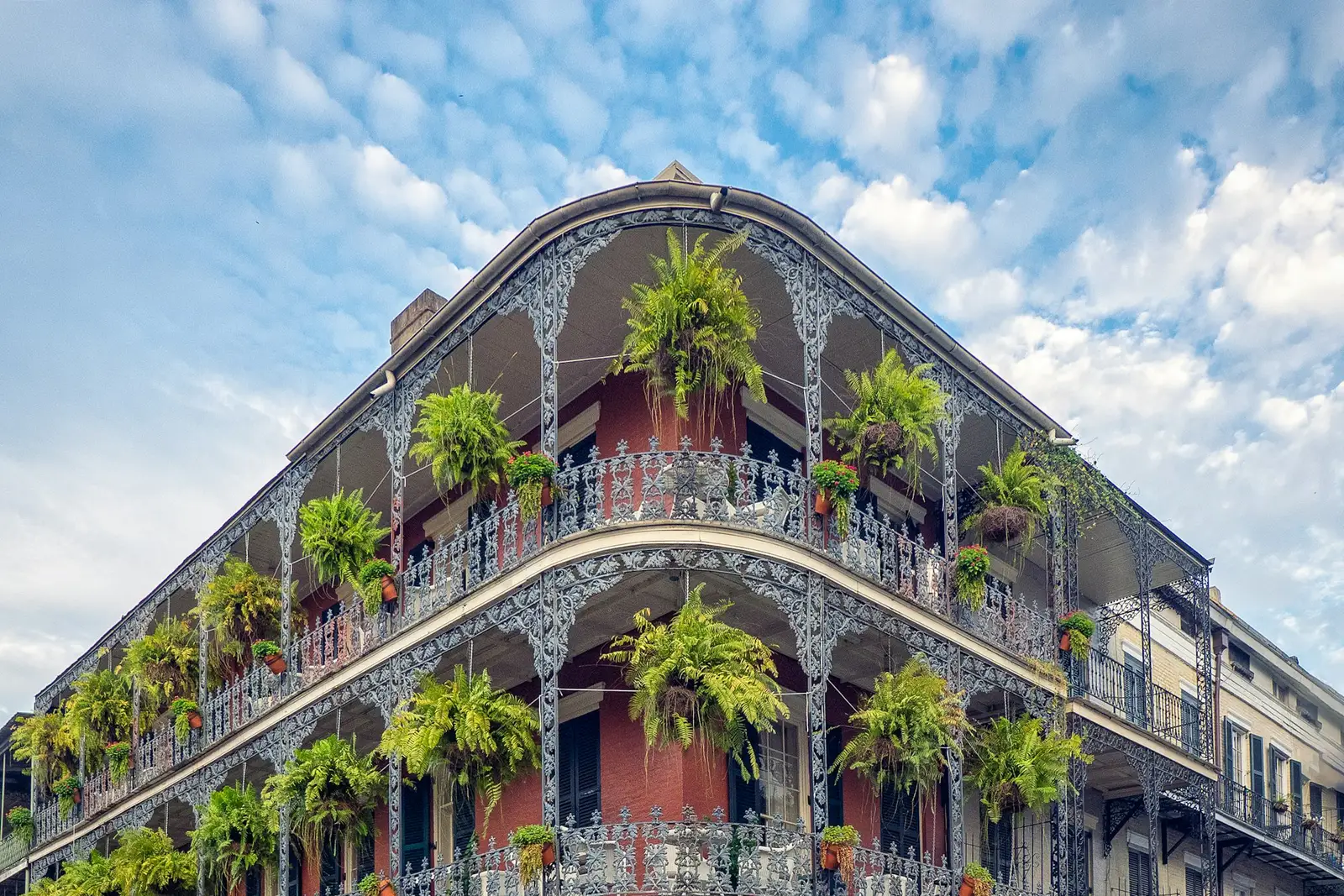
Much of historic New Orleans is built from shotgun houses, single and double, many with a camelback second story added to the rear. Neighborhoods like the Bywater, Marigny, Tremé, the Irish Channel, Mid-City, Holy Cross and Algiers Point are full of them. These homes typically sit on brick piers a few feet off the ground, and water heaters went wherever space allowed: under the house in the crawlspace, in a hall or kitchen closet, in a back bathroom, or in a shed or enclosed back porch.
Under-house installs keep a tank out of living space but expose it to everything else. Rats, termites and moisture attack the platform and insulation, plumbers have to crawl through mud to reach the unit, and a freeze can split exposed supply lines. Closet tanks are easier to service but sit over wood floors that rot quickly from a slow leak. Raised Lakeview and Gentilly homes rebuilt after 2005 often moved heaters up into attics or onto elevated platforms to get them above flood height.
Hurricane Ida, flooding and freezes
Hurricane Ida struck in late August 2021 and knocked out power to the entire city when Entergy transmission lines failed, leaving many homes dark for a week or more in brutal heat. Gas tanks with standing pilots often kept producing hot water through the outage, while electric and power-vent units sat cold. Ida's wind damage also tore at roofs and vent caps, letting rain into flues and onto burners.
Street flooding from summer downpours is more frequent than hurricane flooding and can swamp under-house heaters when the drainage pumps fall behind. Any gas heater whose burner or control valve sat underwater should be replaced rather than relit. Freezes matter too: hard cold snaps in 2021 and December 2022 burst pipes under raised houses all over town, and tanks with frozen inlet lines often need new valves and connectors once things thaw.
The problems plumbers see most in New Orleans
- Silty, rumbling tanks after boil-water advisories and pressure swings on the SWBNO system.
- Under-house heaters on rotting platforms in raised shotguns and camelbacks.
- Flood-soaked burners and controls after street flooding overwhelms drainage.
- Wind-damaged flues and caps that let rain into gas heaters after storms like Ida.
- Frozen and split supply lines under raised homes during hard freezes.
- Closet leaks into old heart-pine floors that rot the subfloor before anyone sees water.
Typical water heater prices in New Orleans
| Job | Typical New Orleans range | Notes |
|---|---|---|
| Thermocouple, pilot or igniter | $175–$325 | |
| Gas control valve | $325–$650 | |
| Flush and sediment clean-out | $125–$260 | Common after advisories |
| 40–50 gallon gas tank replacement | $1,500–$3,100 | Permit usually included |
| Under-house or crawlspace replacement | $1,900–$3,700 | Access and platform work add labor |
| Relocating a heater above flood level | $2,600–$5,000 | Depends on piping and venting |
| Gas tankless installation | $3,300–$6,000 |
Raised-house access, rotten platforms, and flue repairs on old chimneys are the biggest swing factors. After a hurricane, demand spikes across the whole region and quotes rise for weeks.
Louisiana licensing and city permits
Plumbers in Louisiana are licensed by the State Plumbing Board of Louisiana, which issues journeyman and master plumber licenses and lets you check a license online. A licensed master plumber should be responsible for any water heater replacement, including the gas connection and the relief valve discharge.
Within Orleans Parish, the City of New Orleans Department of Safety and Permits issues plumbing permits and handles inspections. Homes in historic districts under the Historic District Landmarks Commission or the Vieux Carré Commission may need approval for changes visible from the street, such as a new exterior vent or a tankless unit mounted on a façade. Your plumber should know when a heater change triggers that review.
Entergy New Orleans and heater choices
Entergy New Orleans is unusual in supplying both electricity and natural gas inside the city, and gas service reaches most older neighborhoods. Atmospheric gas tanks are the traditional choice in shotguns and camelbacks, and their ability to run without power is a real advantage in a city that has lost electricity for days at a time. Power-vent and many tankless models need electricity, so they go cold during an outage unless the home has a generator.
Electric tanks are common in condos, apartments and some renovated homes. Entergy New Orleans has run efficiency programs through Energy Smart at times, which is worth checking before choosing a heat pump water heater or a high-efficiency gas model.
Getting heaters out of harm's way
Many owners rebuilding or renovating after Katrina, Ida or a smaller flood ask whether the heater can move. Moving a tank from under the house to an interior closet or an elevated platform on a back porch keeps it dry and makes service easier, but the move means new water lines, a relocated gas line, a fresh vent path and a pan with a drain. In a narrow shotgun, the best spot is often a closet near the kitchen or bathroom to keep pipe runs short.
Wherever the heater ends up, strap it, give it a drain pan, and make sure the relief valve line runs somewhere safe. A small unit near a camelback bathroom can also help where the main heater sits a long way from the upstairs shower.
Around New Orleans
Metairie and Kenner in Jefferson Parish draw from the river through Jefferson Parish's own water plants and use parish or city permit offices. Gretna and Westwego on the West Bank run their own systems, Chalmette falls under St. Bernard Parish, and Slidell and Mandeville across the lake rely on St. Tammany wells and local building departments.
Water heater questions from New Orleans
Should I flush my water heater after a boil-water advisory?
Run your taps as SWBNO advises once the advisory lifts. If hot water stays cloudy or brown, or the tank starts rumbling, have it flushed.
Is a water heater under a raised house a problem?
It works, but it is exposed to flooding, freezes and pests and is hard to service. Many owners move it to a closet or elevated platform at replacement time.
Will my water heater work during a power outage like Ida?
An atmospheric gas tank lit by a standing pilot generally keeps heating. Electric, power-vent and most tankless units do not without power.
Who licenses plumbers in Louisiana?
The State Plumbing Board of Louisiana. Its online lookup confirms whether a New Orleans plumber's license is current.
Does New Orleans require a permit for a heater swap?
Yes. The Department of Safety and Permits issues it, and historic-district homes may need extra review for exterior changes.
What happens to a gas heater that sat in floodwater?
The control valve and burner are usually ruined. Do not relight it; have a plumber inspect and expect to replace it.
Why is my hot water short only in winter?
Mississippi River supply gets cold in January, so the heater has more work to do. A larger tank or higher-recovery model helps families that run short.