The Kaw and the city plant
Topeka is one of the larger Kansas cities that relies on a river rather than wells. The City of Topeka Utilities Department pulls raw water from the Kansas River, which locals call the Kaw, and treats it at the municipal plant beside the Kaw, a short drive from the Capitol. The plant removes silt, adjusts the chemistry and disinfects the water before pumping it through mains that also serve many surrounding rural water districts by contract.
River water in eastern Kansas picks up minerals as it drains farmland and limestone across much of the state. After treatment, Topeka water is still on the hard side. It also changes with the seasons: spring rains bring muddy, turbulent flows, while late summer and drought years leave the river low and more concentrated. Those swings show up in tanks as a mix of fine silt and calcium scale that hardens on elements and the bottom of gas tanks.
Basements from Potwin to Sherwood
Topeka's older neighborhoods are full of basements. Potwin, a small historic district of Victorian homes and brick streets west of downtown, and the nearby Old Town, Holliday Park and College Hill areas around Washburn University have stone and brick foundations with heaters near the furnace, often venting through an old chimney. Oakland and North Topeka, across the river, have smaller frame homes with low, damp basements.
Westboro, Elmhurst and the streets around Gage Park have 1930s to 1950s homes with full basements. Postwar and later ranch neighborhoods to the southwest, such as Brookfield, Countryside and the areas around Wanamaker Road, mostly have unfinished or partly finished basements with the heater tucked beside the stairs. Sherwood Estates and other neighborhoods just outside city limits look similar but follow Shawnee County rules.
Floods, tornadoes and Kansas weather
The Kansas River flood of 1951 swamped North Topeka and Oakland, and the levee system built afterward still protects those neighborhoods. Today, flash flooding from heavy thunderstorms is the more common cause of wet basements, especially in low areas along Shunganunga Creek. A heater whose gas valve or burner sat in water should be replaced, not relit.
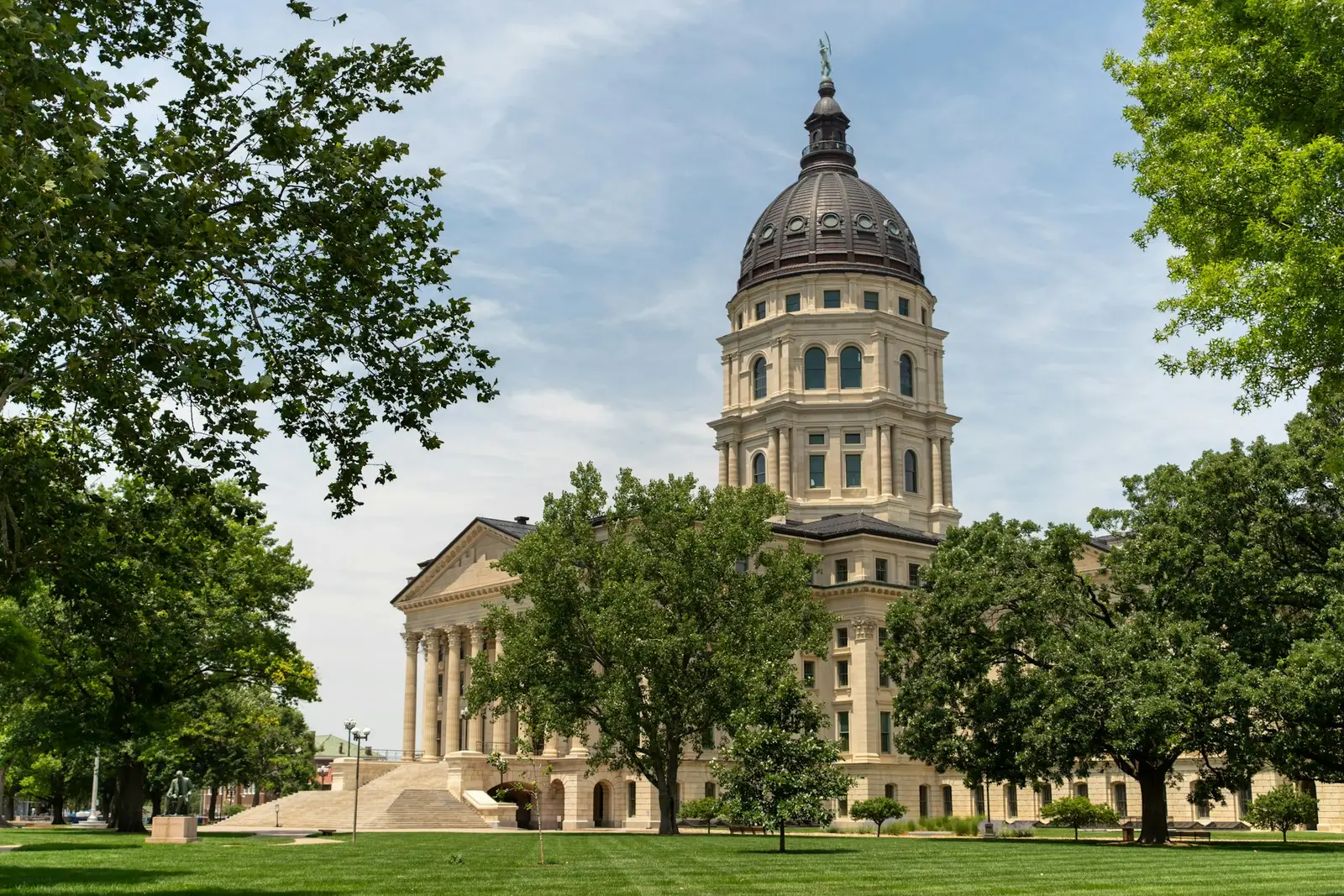
Topeka also carries the memory of the June 1966 tornado, which crossed Burnett's Mound and cut through Washburn University and downtown. Many families still treat the basement as a storm shelter, and that means keeping the area around the water heater clear of stored supplies so the burner has air and the tank can be reached. Shawnee County winters add subzero nights and glazing ice that drops Evergy lines, and any heater needing a plug, from power-vent tanks to tankless units, sits idle until the lights return.
The problems plumbers see most in Topeka
- Calcium-crusted electric elements failing years ahead of schedule on Kaw water.
- Rattling gas tanks with a thick bed of river silt and scale on the bottom.
- Orphaned chimney vents in Potwin and College Hill homes after furnace upgrades.
- Wet burners in North Topeka and Oakland basements after heavy storms.
- Cluttered storm-shelter basements that block combustion air around the heater.
- Tankless units losing flow because nobody has descaled the heat exchanger.
Typical water heater prices in Topeka
| Job | Typical Topeka range | Notes |
|---|---|---|
| Thermocouple or pilot repair | $150–$275 | |
| Gas control valve | $325–$575 | |
| Element and thermostat replacement | $160–$350 | |
| Tank flush and sediment removal | $100–$225 | |
| 40–50 gallon gas tank replacement | $1,250–$2,700 | City permit usually included |
| Gas tank with new chimney liner or power vent | $2,100–$3,700 | |
| Tankless installation | $3,000–$5,500 | Gas line upgrades vary |
Topeka is one of the more affordable markets in the region for water heater work. Old chimneys that fail inspection, narrow stairs into stone basements and ice-storm emergency calls are what push a Topeka job higher.
Topeka plumbing licenses and permits
Kansas has no state plumbing license, and Topeka fills that gap itself. The City of Topeka's Development Services division licenses plumbing contractors, master plumbers and journeymen who work inside the city, and it issues the plumbing permit required to replace a water heater. A city inspector then checks the vent, gas connection, relief valve line and installation clearances.
Licenses from Wichita, Lawrence or Johnson County do not carry over automatically, so confirm that whoever you hire is registered with Topeka. Homes outside city limits, including Sherwood Estates and much of the county, get permits through Shawnee County instead.
Evergy and Kansas Gas Service
Evergy supplies electricity across Topeka, and Kansas Gas Service delivers natural gas. Most homes in town use gas tanks, while electric tanks appear in apartments, mobile home parks and rural houses beyond the gas mains. Because an atmospheric tank with a pilot flame needs no outlet, it keeps a Topeka household in hot showers through an ice-storm blackout.
At times, both Topeka utilities have run rebate offers on efficient heaters, so check their sites before you buy. If a heater smells of gas or the pilot area looks scorched, call Kansas Gas Service's emergency number from outside the house.
Living with hard Kaw water
Hard water is the main reason Topeka heaters wear out. Electric elements grow a calcium coat that makes them run hot and fail, and gas tanks develop a layer on the bottom that insulates the water from the flame, wastes fuel and makes the popping sound many homeowners hear. Topeka owners who open the drain valve each spring and fall, then flush fully every autumn, see far less of that crust.
A whole-house softener is common in Topeka and greatly extends the life of tankless units and electric elements. Softened water eats sacrificial anodes quicker, so a Topeka home with a softener should have the rod pulled and inspected more often. Owners of on-demand units in Westboro or Brookfield should circulate descaler through the isolation valves every year to keep output steady.
Repair or replace in Topeka
For a tank under eight years, a new thermocouple, element or valve is usually worth the money. In an older Topeka tank, a failed part often comes with a heavy scale load that will keep causing trouble. When the bottom of a tank is rusted or leaking, replacement is the only fix.
If your old heater vents through a chimney that the furnace no longer uses, ask the plumber to check the chimney during the quote. A liner or switch to a power-vent model may be required, and knowing that up front avoids a surprise at inspection.
Around Topeka
Communities around Topeka keep their own permits and, in some cases, their own water. Silver Lake and Rossville to the west, Auburn to the southwest, and Tecumseh and Berryton to the east fall under their own city or Shawnee County rules, and many rural homes buy water from a rural water district. Lawrence, half an hour east on the Kansas Turnpike, sets its own contractor licensing rules and treats water from the Kansas River and Clinton Lake.
Water heater questions from Topeka
Who licenses plumbers in Topeka?
The City of Topeka's Development Services division. With no Kansas state license, Topeka sets the bar inside its own city limits.
Is Topeka water hard?
Yes. Kansas River water stays hard after treatment, so tanks need yearly flushing and tankless units need regular descaling.
My basement is our storm shelter. Is it safe near the water heater?
Yes, but keep supplies away from the heater so it has combustion air and can be reached quickly in an emergency.
Shunganunga Creek flooded our basement. Is the heater ruined?
Probably, if the flood line rose past the burner door. Close the gas supply, keep the pilot off, and get a plumber to look before anything is relit.
Why does my Topeka water heater make popping noises?
Hard water scale and river silt on the bottom of the tank trap water that boils as the burner fires. A flush can help if it is not too far gone.
Does a Lawrence plumbing license work in Topeka?
Not automatically. Topeka requires its own license, so ask for proof before work starts.
How long do water heaters last in Topeka?
Usually 8 to 12 years on hard Kaw water, longer with a softener or regular flushing.