Two water suppliers in one city
Miami Gardens did not incorporate until 2003, and its water service still reflects the older county map. Much of the city buys water from Miami-Dade Water and Sewer Department, which pumps from wellfields in the Biscayne Aquifer and treats the supply for the northern part of the county at its Hialeah and John E. Preston plants. Other blocks, mostly toward the east side near the Golden Glades area, are on North Miami Beach Water, which runs its own Norwood-Oeffler treatment plant using membrane filtration on aquifer water.
Your bill tells you which one serves your house. The difference matters a little for heaters: lime-softened county water still carries enough calcium to settle as gritty white crumbs under the dip tube within a few years, while membrane-treated water tends to scale more slowly. Either way, a tankless unit in Miami Gardens will need a vinegar or descaling flush more often than one in a city fed by mountain reservoirs.
Because the source is shallow groundwater under a subtropical sun, water enters the house warm. In a mild January the cold line may read 70°F, and by late summer it can reach the mid 80s. With so little temperature gap to close, even a modest 40-gallon electric unit refills quickly in Miami Gardens.
Concrete block ranches and where the heater hides
Neighborhoods such as Carol City, Norland, Andover, Scott Lake, Bunche Park, Lake Lucerne and Rolling Oaks were laid out in the postwar building boom. The typical house is a single-story concrete block structure with stucco, terrazzo or tile floors, jalousie or awning windows in the older examples, and a slab foundation with no basement or crawlspace.
Builders of that era tucked the water heater wherever it fit. In some homes it stands in the garage beside the washer. In others the garage was enclosed long ago to make a bedroom or den, and the heater ended up in a narrow closet off the kitchen or hallway. A good number of Carol City and Norland homes have an exterior utility closet, a small door on the outside wall that opens onto the tank and the electrical panel.
Closet installs in a finished room are the ones that cause expensive surprises. A slow drip from a corroded fitting can soak baseboards and swell cabinet bases before anyone notices, and terrazzo floors carry water a long way under furniture. Any Miami Gardens tank set inside living space deserves a metal catch pan piped through the block wall.
Heat, storms and the electric grid
Almost every home in Miami Gardens is served by Florida Power & Light, and electric resistance tanks far outnumber gas units. Natural gas mains from Florida City Gas reach some streets, and a few homeowners run propane, but most repair calls here involve elements, thermostats and wiring rather than burners.
Afternoon thunderstorms roll across north Miami-Dade most summer days, and lightning surges are hard on the upper thermostat and its reset button. Hurricane season adds a different risk: after a storm, power can return in fits and starts, and heaters that cycled through repeated brownouts sometimes come back with one dead element. If the tank delivers only a short burst of hot water after an outage, the lower element is the usual suspect.
Humidity matters too. Exterior closets and garages stay damp for months, and the steel jacket, the bottom seam and the cold-water nipple rust from the outside in. Salt air is less of an issue this far inland than on Miami Beach, but corrosion on outdoor closets in Miami Gardens is still steady work for plumbers.
The problems plumbers see most in Miami Gardens
- Burned-out lower elements after summer lightning or a string of post-storm brownouts.
- Rusted bottoms and fittings on tanks in exterior utility closets that never fully dry out.
- Leaks inside converted garages where a heater sits in a closet next to carpet or wood trim.
- Relief valves dripping onto the floor because the discharge line was never run outside.
- Calcium grit clogging drain valves and aerators on county-supplied water.
- Undersized breakers or scorched wiring on 1960s panels feeding a newer, larger tank.
Many of these start as small symptoms. See our guides to a leaking water heater and to a bad element or thermostat for what to check before a plumber arrives.
Typical water heater prices in Miami Gardens
| Job | Typical Miami Gardens range | Notes |
|---|---|---|
| Heating element replacement | $170–$340 | One element; both cost more |
| Thermostat and reset repair | $150–$300 | Common after lightning |
| Relief valve and discharge line | $160–$360 | Line run to the exterior |
| Flush and drain valve replacement | $130–$280 | |
| 40–50 gallon electric tank replacement | $1,300–$2,500 | Permit, pan and haul-away |
| Heat pump water heater | $2,800–$4,800 | Needs room and air |
| Gas tankless installation | $3,600–$6,200 | Only where gas is available |
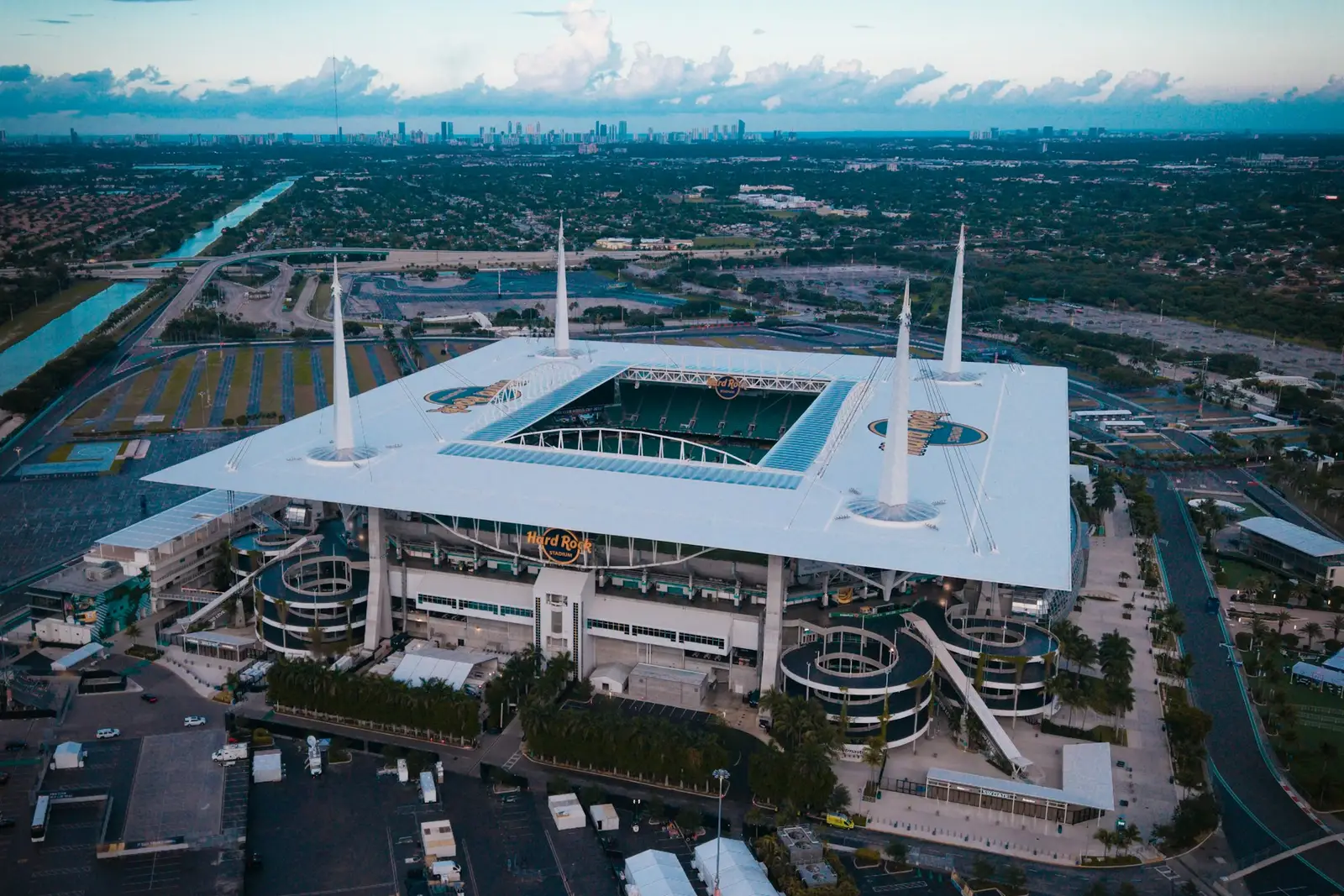
Electric work keeps most Miami Gardens jobs in the middle of these ranges. Prices climb when a closet doorway is too narrow for a 50-gallon tank, when an old panel needs a new breaker or wire, or when a game day at Hard Rock Stadium snarls traffic on NW 27th Avenue and the Turnpike and stretches a service window.
Permits and Florida licensing
Replacing a water heater in Miami Gardens requires a plumbing permit from the city's own Building Services division, which took over local permitting from Miami-Dade County after incorporation. The inspection covers where the relief valve empties, the catch pan, the electrical disconnect, and the clearances around the tank in its closet or garage.
Plumbing contractors in Florida work under one of two credentials: a certified license, valid in every county and issued through Florida's DBPR licensing board for construction trades, or a registered license that rests on a local competency card such as Miami-Dade's. You can look up a contractor's status on the DBPR website in about a minute, and it is worth doing before you hand anyone a deposit. A licensed electrician may also be needed when a job involves new circuits rather than a simple like-for-like swap.
Choosing a new heater for a Miami Gardens house
Warm inlet water shifts the sizing math in your favor. A family of four that would need a 50-gallon tank in Atlanta often does fine with a 40-gallon electric tank here, and many Norland and Scott Lake homes with two bathrooms have run on 40 gallons for decades. Step up to 50 gallons when a garden tub gets filled often or a household of teenagers shares one bathroom on school mornings.
Heat pump water heaters suit this climate well because they pull heat from warm garage air, while drying out the muggy air of a closed garage. They need a garage or a large utility room, though; a heat pump unit squeezed into a two-foot closet starves for air and runs on its backup elements. FPL has run water heating incentives at times; check its current residential programs when pricing one.
Tankless electric units appeal to people short on closet space, but whole-house models draw a large current that many original Miami Gardens panels cannot supply without an upgrade. Get a load calculation in writing before committing. On the streets where Florida City Gas has a meter at the house, a gas tankless model vented through the block wall makes more sense.
Repair or replace in Miami Gardens
Fixing an element or thermostat on a Miami Gardens electric tank is nearly always money well spent, because the parts cost little and a plumber is usually done within an hour. A tank leaking from the bottom seam is finished, no matter its age. Between those two cases, the age on the label is a good guide: South Florida tanks often last ten to twelve years, and units in damp outdoor closets frequently fail sooner.
If a Lake Lucerne or Andover tank is nine years old and needs a second repair in the same year, put the repair money toward a replacement. Storm season is also a reason to act early, because after a major hurricane plumbers and supply houses across Miami-Dade run short of tanks for weeks.
Keeping a heater healthy on aquifer water
Twice a year, open the tank's drain valve into a bucket and let several gallons out. If the water comes out cloudy with white flakes, keep draining until it runs clear. On county water this small habit slows the buildup that eventually smothers the lower element.
Keep the exterior closet door latched and its louvers clear so rain blows in less and air still moves. Look under the tank after each big storm, and check that the relief valve line ends outdoors or over a drain, not in the middle of the closet floor. Given how often lightning strikes north Miami-Dade in July and August, a surge protector mounted at the electrical panel pays for itself quickly.
Around Miami Gardens
Opa-locka and Miami Lakes border the city to the west and south and each run their own building departments. North Miami Beach handles its own permits and sells water to part of Miami Gardens. North across County Line Road, Miramar and Pembroke Pines in Broward County have their own utilities and building offices, and Hialeah to the southwest has a separate water and permitting system of its own.
Water heater questions from Miami Gardens
Who supplies water to my house in Miami Gardens?
Most addresses are on Miami-Dade Water and Sewer, and some eastern blocks are on North Miami Beach Water. The name on your water bill settles it.
Does Miami Gardens issue its own water heater permits?
Yes. The city's Building Services division issues plumbing permits and inspects the installation, so a county permit is not the right one for a Miami Gardens address.
Why did my heater stop after a thunderstorm?
A lightning surge can trip the high-limit reset or burn out an element. Turn off the breaker, then have the thermostat and both elements tested before pressing the red reset button again and again.
Is a 40-gallon tank enough for my family in Miami Gardens?
Often it is, because inlet water arrives near 80°F for much of the year. Households with a big tub or many back-to-back showers may still want 50 gallons.
Will a heat pump model fit in my hallway closet?
Only if the closet is large or has louvered doors and ducting. In a tight Carol City hallway closet, a standard electric tank is usually the better choice.
How do I check whether a Florida plumber is licensed?
The state DBPR website lets you pull up any contractor by name and see whether the license is active. It shows whether the license is current and what type it is.
Should I replace my water heater before hurricane season?
If the tank is old, rusted or already leaking, yes. Replacement tanks and crews can be hard to find in the weeks after a major storm.