Cal Water, Alco and the Salinas Valley aquifer
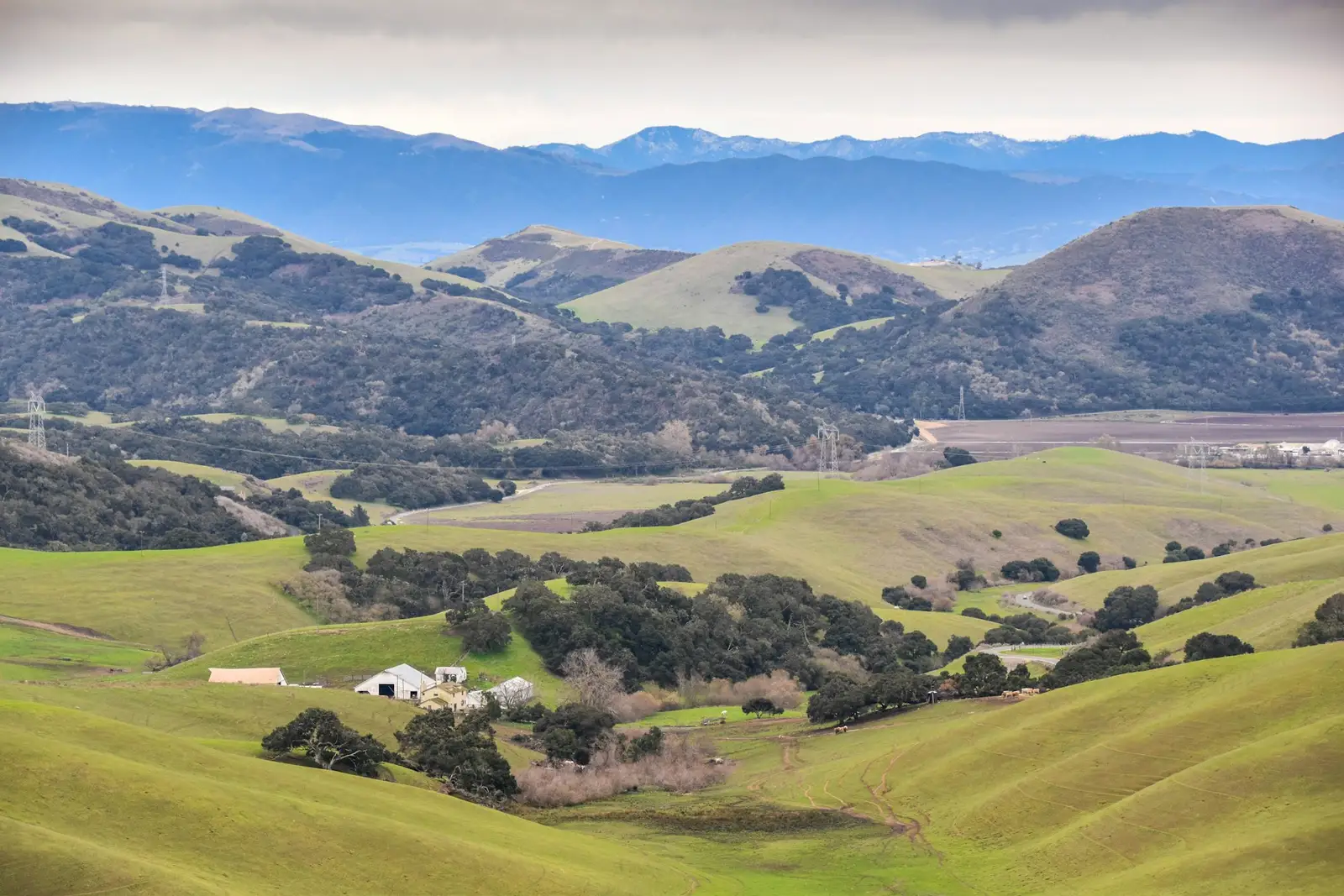
Most Salinas homes are customers of California Water Service, whose Salinas District operates a network of wells scattered across the city and neighboring unincorporated areas. Customers in a large part of east Salinas, around the Alisal neighborhoods, are served instead by Alco Water Service, a smaller private utility that also relies on local wells. Neither system imports surface water, so what flows from a Salinas tap is pumped from the same valley aquifer that irrigates the lettuce and strawberry fields surrounding the city.
That aquifer is hard, and its mineral content holds steady year round. Salinas plumbers routinely pull tanks with several inches of packed sediment, and tankless units left undescaled begin flashing fault codes within a couple of years. Because the groundwater stays near 60 degrees, a Salinas heater does not have to work especially hard in winter, but every heating cycle drops a little more calcium on the tank floor.
Cal Water treats its wells as needed and publishes an annual water quality report for the Salinas District. If you want to know your neighborhood's exact hardness before sizing a softener, that report is the place to start.
Oldtown bungalows, Alisal homes and newer north-side tracts
The neighborhoods near Oldtown and Main Street, close to John Steinbeck's birthplace, hold Victorians, Craftsman bungalows and Spanish-style homes from the late 1800s through the 1930s. Heaters there often sit on a back service porch, in a small closet next to the kitchen, or in a detached garage reached by an exposed supply line. Many have been relocated more than once over the decades, and vent runs through old porches can be long and awkward.
East Salinas and the Alisal district have dense blocks of 1940s through 1970s single-story homes, many with converted garages and added rooms that put the heater in an exterior closet or a tight corner of a former garage. Multigenerational households are common here, and a single 40-gallon tank shared by eight or ten people runs out quickly, so these homes often benefit from a bigger tank, or a tankless model with enough burner input for several showers.
North Salinas, Creekbridge, Harden Ranch, Williams Ranch and the Monte Bella area on the city's northeast side were built mostly from the 1970s through the 2000s, with attached two-car garages and the heater standing near the laundry hookups. These are the most straightforward installs in town.
Fog, salt air and earthquake country
Salinas sits about ten miles from Monterey Bay, and on many summer days the marine layer hangs over the city until noon. Cool, moist air drifting into garages and service porches settles on steel heater jackets, vent connectors and gas valves, and over a decade it rusts thin metal that would survive far longer in the Central Valley. Plumbers often find flaky draft hoods and corroded vent elbows on Salinas tanks well before the tank itself fails.
Freezes are rare and brief, but Salinas is surrounded by active faults. The San Andreas runs along the Gabilan Range to the east, and the 1989 Loma Prieta earthquake shook Salinas hard enough to damage older buildings downtown. Every heater needs two seismic straps anchored to framing, a flexible gas line and an accessible shutoff. Winter storms bring another risk: when the Salinas River and local creeks run high, low-lying areas and older garages can take on water, and a flooded burner calls for an inspection before the heater is relit.
The problems plumbers see most in Salinas
- Packed sediment on tank floors from hard Salinas Valley groundwater.
- Rusted draft hoods and vent connectors in damp, foggy garages.
- Running out of hot water in large multigenerational households with small tanks.
- Tankless scale errors when annual descaling has been skipped.
- Long, poorly sloped vents in relocated Oldtown porch installations.
- Corroded gas valves and fittings on heaters in exterior closets.
Typical water heater prices in Salinas
| Job | Typical Salinas range | Notes |
|---|---|---|
| Thermocouple or pilot repair | $175–$325 | |
| Gas control valve | $425–$675 | |
| Vent connector or draft hood replacement | $200–$475 | Corrosion is the usual cause |
| Flush and sediment clean-out | $135–$285 | Heavy buildup takes longer |
| Tankless descale | $185–$350 | |
| 40–50 gallon gas tank replacement | $1,900–$3,800 | Permit, straps and haul-away |
| Tankless installation | $3,900–$6,900 | Gas line upsizing common |
Salinas pricing sits between the Central Valley and the Monterey Peninsula, where labor costs climb steeply. Oldtown porch installs with long vents, converted garages with limited access, and gas line upgrades for tankless units are where costs rise.
Permits and licensing in Salinas
Water heater replacement in Salinas requires a permit from the City of Salinas Permit Center, part of the Community Development Department. A city inspector checks the two straps, the gas flex line with its valve, venting and clearances, and the relief-valve discharge line. Homes in Boronda, Prunedale, Bolsa Knolls and other unincorporated areas around Salinas get their permits through Monterey County Housing and Community Development.
Before hiring, confirm the installer's C-36 plumbing license on the CSLB lookup page, which also shows bond and complaint history. Gas heaters must meet the state's low-NOx standards, and the Monterey Bay Air Resources District covers air quality for the region.
California's Title 24 energy standards apply to the new heater's efficiency, to hot-water pipe insulation, and to any switch from gas to a heat pump unit, which needs its own electrical work and a place to drain condensate.
PG&E, Central Coast Community Energy and heat pumps
Pacific Gas and Electric supplies natural gas to Salinas and delivers electricity over its lines, while Central Coast Community Energy, the regional community choice agency, provides electric generation to most homes. Either agency may have a heat pump water heater rebate open, as each has at times.
Heat pump water heaters work in Salinas, but its cool, foggy garages give them less warm air to draw on than the inland valleys. A unit installed in a garage that stays in the 50s will run longer and use its backup elements more often. A spot with good air volume, or a ducted intake from a warmer space, helps. As a bonus, a heat pump dehumidifies the garage slightly, which can slow the rust problems that come with the marine layer.
Slowing scale and rust in a Salinas heater
On Salinas well water, a tank should be drained and flushed at least once a year, and twice a year in a busy household. A softener on the main line, or a scale-reduction cartridge on the heater's cold supply, dramatically slows buildup in tankless units. Because softened water speeds up wear on the sacrificial rod inside a tank, have that rod inspected sooner if you add one.
For the outside of the heater, keep the space around it dry and ventilated. Check the draft hood and the first vent elbow every year for rust holes or flaking, and look for green or white crust on gas and water fittings. Replacing a corroded vent connector early is inexpensive; letting exhaust leak into a closed garage is not.
Around Salinas
Marina, toward the coast, gets water from the Marina Coast Water District and has its own building department. Monterey and Seaside on the peninsula are served by California American Water, and each issues its own permits. Prunedale and Castroville to the north are unincorporated, with Monterey County permits and a mix of small water systems and private wells. Gonzales and Soledad down the valley run their own city water and building offices.
Water heater questions from Salinas
Where does Salinas get its water?
From wells in the Salinas Valley aquifer. Cal Water's Salinas District serves most homes, and Alco Water Service covers much of east Salinas.
Why does my Salinas water heater fill with sediment so quickly?
Salinas Valley groundwater is hard, and minerals drop out every time the water heats. Annual flushing keeps the buildup under control.
Why is my heater's vent pipe rusting?
The marine layer keeps Salinas garages cool and damp, and that moisture corrodes steel vent parts and draft hoods over time.
Which office handles heater permits in Salinas?
The City of Salinas Permit Center. Unincorporated areas such as Prunedale and Boronda use Monterey County.
What size heater does a large household in Salinas need?
Homes with six or more people often do better with a 75-gallon tank, two tanks, or a tankless unit sized for several fixtures at once.
Who supplies gas and electricity in Salinas?
PG&E delivers gas and electricity, and Central Coast Community Energy supplies electric generation for most homes.