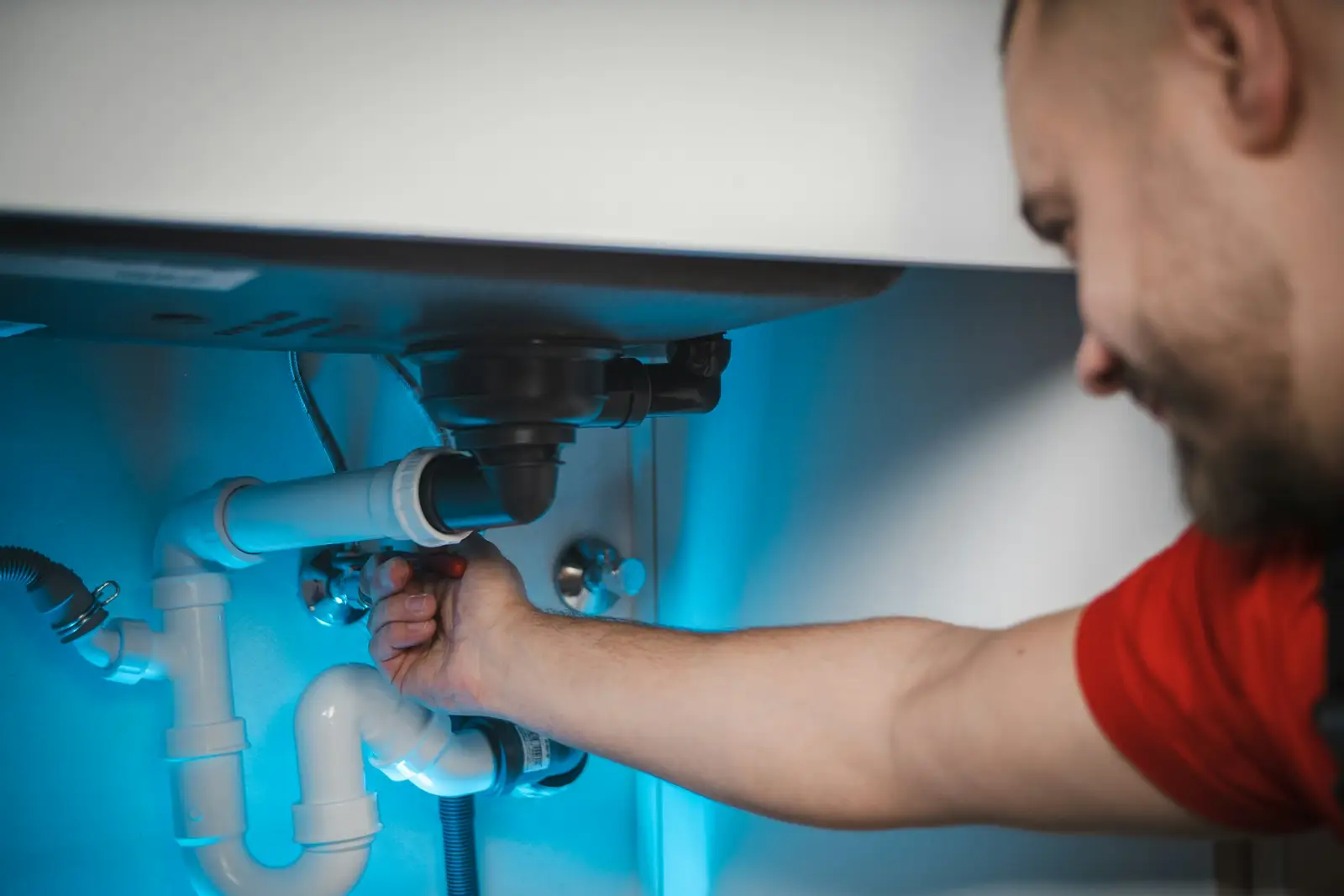
Signs the old boiler is finished
Boilers rarely die without warning. The clearer signs are water leaking from the boiler body itself rather than from a valve or pump, a cracked cast-iron section, rust flaking from the heat exchanger, a condensing boiler that keeps locking out after the usual parts have been replaced, or repair quotes that come back for big-ticket parts winter after winter.
| What you see | What it usually means | Next step |
|---|---|---|
| Water weeping from between cast-iron sections | Cracked section or failed push nipple | Replacement quote |
| Rust stains and scale on the jacket floor | Long-term leak inside the boiler | Inspection, likely replacement |
| Condensing unit with a leaking heat exchanger | Corrosion inside the sealed module | Price the module vs a new boiler |
| Boiler short-cycles on mild days | Badly oversized for the house | Heat-loss calculation |
| Parts for the model are discontinued | Each repair will get slower and dearer | Plan a replacement off-season |
| Rising fuel bills with the same thermostat habits | Efficiency dropping with age and soot | Service first, then compare |
If you are not sure whether the problem is the boiler or something around it, start with boiler repair. A good technician will tell you plainly when the heat exchanger is the issue.
Choosing the type: cast-iron, condensing or combi
Cast-iron, non-condensing boilers are simple and durable. They usually vent into a chimney, and current models land a little above 80 percent AFUE. They tolerate older, dirtier systems well and are still the default for most steam systems, because steam boilers are almost never condensing. Weil-McLain, Burnham and similar brands make the classic examples.
Condensing, modulating boilers pull enough heat from the exhaust that water vapor condenses inside the unit. They can reach AFUE ratings in the 90s, they turn their flame down to match the load instead of cycling on and off, and they vent through plastic pipe, usually out a side wall. They save the most when the return water stays cool, which suits radiant floors, oversized cast-iron radiators and outdoor reset controls. Lochinvar, Viessmann, Buderus and Navien are common names here.
Combi boilers are condensing boilers with a built-in on-demand domestic hot water section. They save floor space and suit smaller homes with one or two bathrooms. Larger households often do better with a heating-only boiler feeding an indirect tank, which stores hot water and handles several showers at once.
A steam house usually stays steam. Converting to hot water is possible but involves new piping and sometimes new radiators, so it is a renovation decision, not a boiler swap.
Sizing comes from a heat-loss calculation
The most common mistake in boiler replacement is copying the size of the old boiler. Many older boilers were oversized from the start, and the house has often gained insulation, windows and air sealing since. An oversized boiler cycles on and off, wastes fuel and wears out sooner.
For hot water systems, a contractor should run a room-by-room heat-loss calculation, commonly using ACCA Manual J or an equivalent method, and then check that the radiators or baseboard can deliver that heat at the water temperature the new boiler will run. For steam, sizing works differently: the boiler is matched to the total radiation in the house, measured radiator by radiator. A contractor who measures your radiators is a good sign.
What a boiler replacement costs
| Job | Typical installed range | What drives the price |
|---|---|---|
| Cast-iron hot water boiler, like-for-like | $4,500–$8,000 | Size, chimney condition, near-boiler piping |
| Steam boiler replacement | $6,000–$12,000 | Size, skim tapping, header piping done right |
| High-efficiency condensing boiler | $6,500–$12,000 | Venting run, condensate drain, controls |
| Combi boiler | $6,000–$11,000 | Gas line size and domestic water piping |
| Indirect tank added to a new boiler | $1,500–$3,500 | Tank size and zone controls |
| Chimney liner for a new atmospheric boiler | $1,000–$3,000 | Chimney height and liner material |
| Removal and disposal of the old boiler | Often included | Asbestos insulation needs licensed abatement |
Most whole jobs fall between $4,500 and $12,000. Older houses can run higher when the near-boiler piping needs a full rebuild, when the boiler sits in a tight basement, or when old pipe insulation tests positive for asbestos and must be removed by a licensed abatement crew before work starts.
Venting, chimneys and permits
Venting is where boiler replacements get complicated. An atmospheric boiler that shared a masonry chimney with a water heater can leave the chimney oversized when it is replaced by a condensing boiler that vents out the wall. The remaining appliance may no longer draft properly, so the contractor may recommend a chimney liner sized for what is left. A new atmospheric boiler going into an unlined or damaged chimney often needs a liner too.
Condensing boilers need intake and exhaust pipes that meet the manufacturer's clearances from windows, doors and grade, plus a drain for acidic condensate, sometimes through a neutralizer.
Most jurisdictions require a mechanical or gas permit for a boiler replacement, and many require an inspection afterward. A licensed contractor pulls the permit. If someone suggests skipping it to save money, that is a reason to look elsewhere, since insurers and future buyers may ask for the paperwork.
Efficiency, operating costs and rebates
AFUE (annual fuel utilization efficiency) tells you roughly how much of the fuel ends up as heat over a season. Moving from an old boiler in the 70s to a condensing unit in the 90s can noticeably cut fuel use, though the real savings depend on how the system is piped and controlled. An outdoor reset control, which lowers water temperature on mild days, helps any boiler and is essential to get a condensing boiler into its efficient range.
Utilities, states and federal programs offer incentives for high-efficiency heating equipment at times, and the rules change often. Ask the contractor what applies in your area when you get the quote, and check before the work starts, since some programs require pre-approval.
Safety during the changeover
If you smell gas at any point, before, during or after the install, get out first, then phone the gas company's emergency number or 911 once you are clear of the building.
A new boiler should be started up with a combustion analyzer, and the installer should check that every other fuel-burning appliance still drafts and vents properly. Put fresh carbon monoxide alarms on each floor and near bedrooms if yours are more than a few years old.
Keeping a new boiler healthy
A new boiler only reaches its rated life with yearly care. Book a tune-up each fall, have the condensate trap and heat exchanger cleaned on condensing models, and ask the installer whether your system water needs a cleaner or inhibitor, since sludge from old piping can foul a modern heat exchanger quickly. Keep side-wall vents clear of snow and leaves through the winter.
Watch the pressure gauge for the first few weeks. A small drop after startup is normal as air works its way out, but a steady fall means a leak, and a climb toward the relief valve setting points to the expansion tank.
Questions for the installer
- Will you do a heat-loss calculation, or measure my radiators if it is steam?
- Are you licensed and insured, and will you pull the permit?
- Which boiler brands do you install and service, and who handles warranty work?
- What changes to the venting, chimney or gas line will this need?
- Is an outdoor reset control, new expansion tank and air separator included?
- What does the manufacturer warranty cover, and what is your labor warranty?
Getting two or three written quotes is normal for a job this size. Compare what is included line by line, not just the bottom number. If your home uses a furnace or heat pump instead, see heating repair.
Questions people ask
What does a new boiler cost installed?
Most replacements run $4,500 to $12,000 installed. A like-for-like cast-iron swap sits at the low end; condensing, steam and combi installs with venting changes sit higher.
How long does a boiler replacement take?
A straightforward swap is often one or two days. Steam boilers, new venting, a chimney liner or extra zoning can add time.
Should I get a combi boiler?
A combi fits well in smaller homes with modest hot water use. Bigger households with several bathrooms often prefer a heating-only boiler with an indirect tank.
Can I replace a steam boiler with a condensing boiler?
Not directly. Condensing boilers make hot water, not steam, so switching means converting the system to hot water, usually with new piping.
Does a new boiler need a permit?
In most places, yes. A licensed contractor normally handles the permit and the inspection as part of the job.
Are there rebates for a high-efficiency boiler?
At times, yes, through utilities, state programs or federal incentives. Programs change, so ask the installer and check eligibility before the work begins.
How long does a new boiler last?
Cast-iron boilers commonly last 20 to 30 years. Condensing boilers often run 15 to 20 years with yearly service and good water quality.